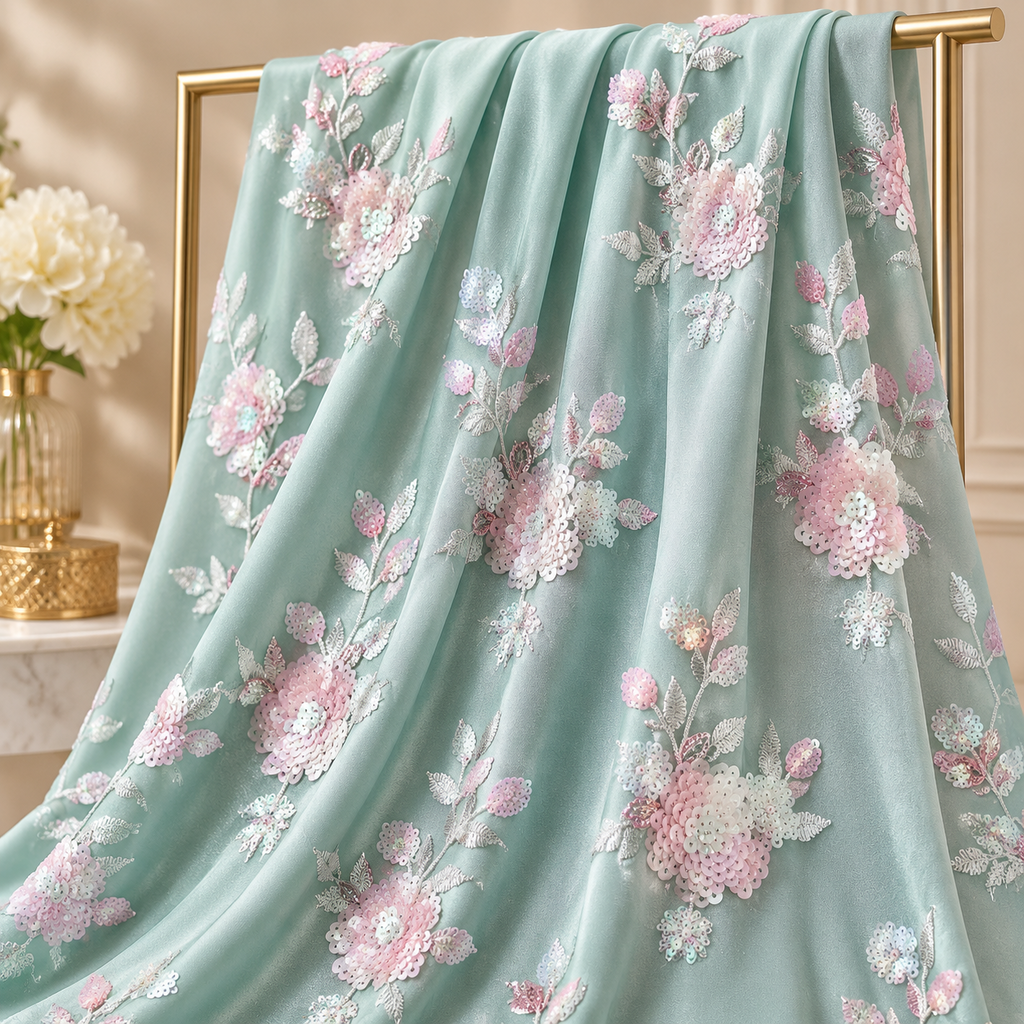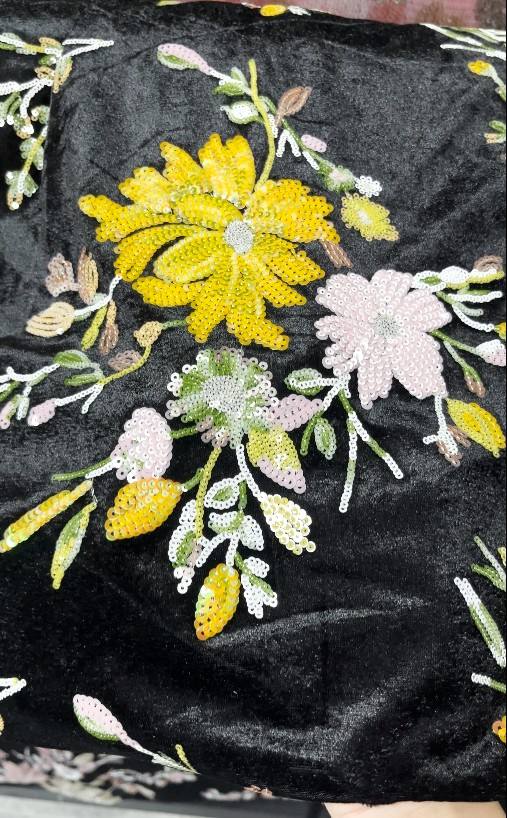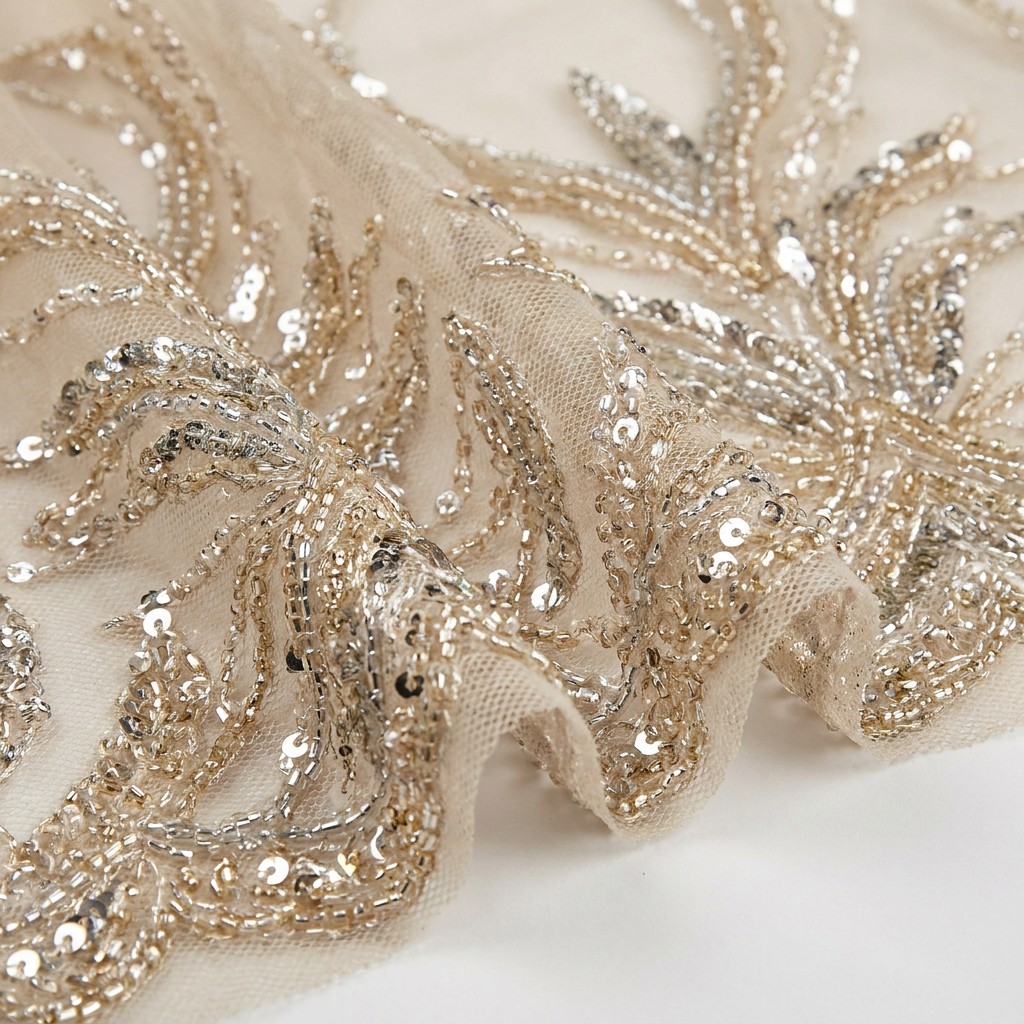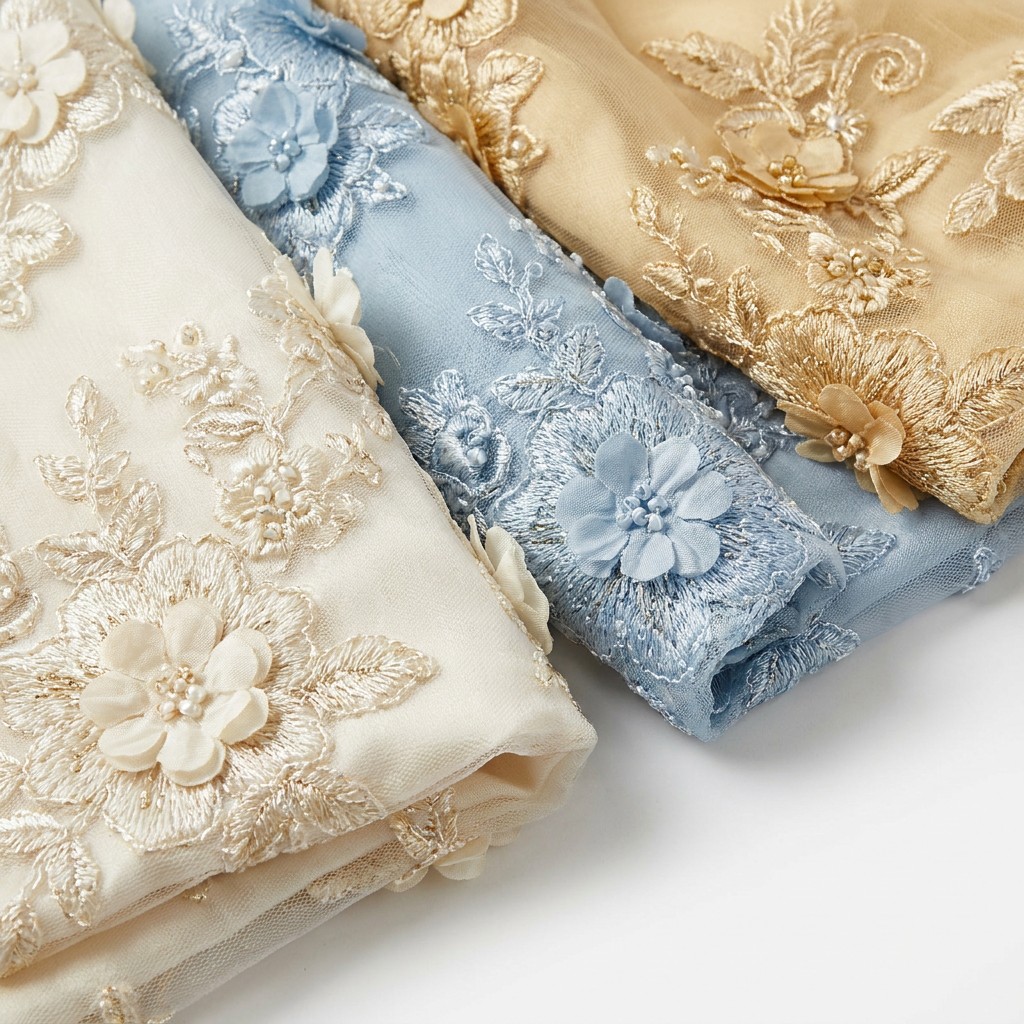
Cording embroidery loop stability protects decorative gimp during production and wear. Specifically, this guide explains loop tension, corner control, testing, and approval.

Cording embroidery loop stability basics
Multi-head machines create repeated loops across the fabric surface. Therefore, operators balance thread tension before production begins.
Technicians mark the first approved panel for comparison. However, teams must inspect every machine head separately.
Loop and corner controls
Designers choose a stable backing for dense cord patterns. Furthermore, machinists reduce speed around tight corner radii.
Inspectors measure loop height, cord spacing, and edge lift. In addition, supervisors record each machine setting carefully.
Testing method for gimp embroidery
Technicians test straight sections and curved sections separately. Specifically, they flex each specimen under controlled conditions.
Quality teams examine loose loops after repeated handling. Consequently, the report identifies tension drift and cord movement.
Production inspection steps
Inspectors sample the first, middle, and final production panels. As a result, teams catch changes before shipment preparation.
Operators compare each panel against the approved physical standard. Moreover, they isolate any roll with visible loop lifting.
Corner radius and reinforcement
Sharp corners concentrate tension around the embroidered cord. Therefore, engineers increase radius when the design permits.
Underlay supports the base without making the surface stiff. In fact, balanced reinforcement preserves comfort and appearance.
Buyer approval evidence
Buyers request machine settings, specimen counts, and test photographs. Specifically, they should review dense and open design zones.
Purchasing teams retain two approved production cuttings. However, one small swatch cannot represent every machine head.
B2B sourcing checklist
Confirm fibre, width, GSM, cord size, backing, and finish. Furthermore, confirm the 200-yard MOQ before development begins.
Ask the mill to repeat the agreed loop stability test. Consequently, buyers can compare every new lot fairly.
For related guidance, visit our quality control category. In addition, review our embroidery fabric range for sourcing options.
Conclusion for apparel teams
Reliable cording embroidery combines balanced tension with measured corner performance. Therefore, clear records reduce claims and production delays.
Request a controlled sample before cutting evening wear. Moreover, align design, production, and quality teams around one reference.