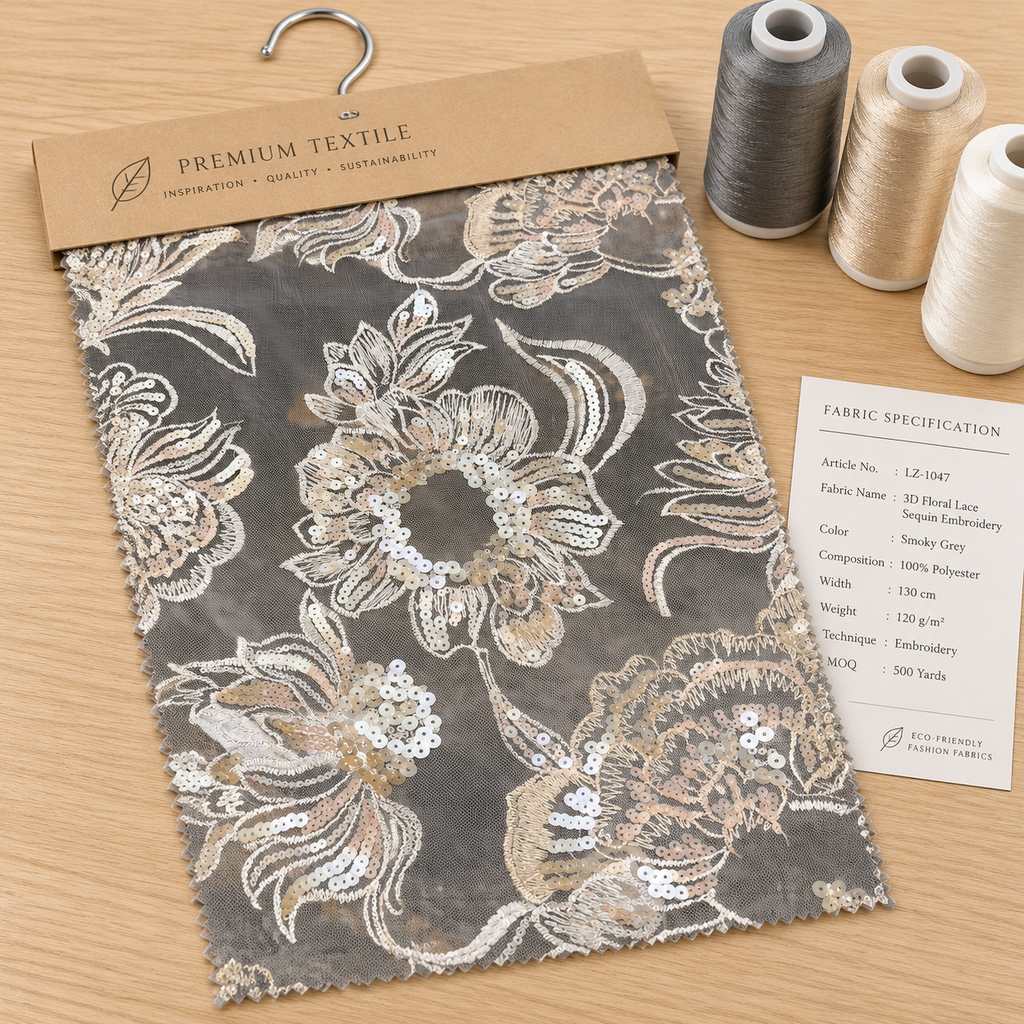
stretch tulle needle cutting: Buyer Risk
stretch tulle needle cutting requires a documented control plan before production starts. Therefore, buyers can compare samples and reduce claim risk.
Test Planning
First, the buyer defines the acceptance limit before production begins. Therefore, every later check uses one clear reference. Meanwhile, operators inspect the face, reverse, edge, and transition zones. They record defects with calibrated photographs. The team reviews the result with purchasing before the next production step, then updates the approval record.
Sample Conditioning
Next, the supplier labels each specimen and records the batch, date, operator, and instrument. This evidence prevents confusion. In addition, the quality lead reviews temperature, pressure, moisture, and cycle settings. These controls reduce avoidable variation. The team reviews the result with purchasing before the next production step, then updates the approval record.
Laboratory Setup
Moreover, the laboratory conditions each sample before testing. As a result, measurements remain comparable across lots. However, the team separates handling errors from material behavior before changing a process. This approach protects reliable production. The team reviews the result with purchasing before the next production step, then updates the approval record.
Process Controls
Meanwhile, operators inspect the face, reverse, edge, and transition zones. They record defects with calibrated photographs. Consequently, purchasing can compare suppliers using the same criteria. The report also supports faster corrective action. The team reviews the result with purchasing before the next production step, then updates the approval record.
Inspection Records
In addition, the quality lead reviews temperature, pressure, moisture, and cycle settings. These controls reduce avoidable variation. First, the buyer defines the acceptance limit before production begins. Therefore, every later check uses one clear reference. The team reviews the result with purchasing before the next production step, then updates the approval record.
Corrective Action
However, the team separates handling errors from material behavior before changing a process. This approach protects reliable production. Next, the supplier labels each specimen and records the batch, date, operator, and instrument. This evidence prevents confusion. The team reviews the result with purchasing before the next production step, then updates the approval record.
Test Planning
Consequently, purchasing can compare suppliers using the same criteria. The report also supports faster corrective action. Moreover, the laboratory conditions each sample before testing. As a result, measurements remain comparable across lots. The team reviews the result with purchasing before the next production step, then updates the approval record.
Sample Conditioning
First, the buyer defines the acceptance limit before production begins. Therefore, every later check uses one clear reference. Meanwhile, operators inspect the face, reverse, edge, and transition zones. They record defects with calibrated photographs. The team reviews the result with purchasing before the next production step, then updates the approval record.
Laboratory Setup
Next, the supplier labels each specimen and records the batch, date, operator, and instrument. This evidence prevents confusion. In addition, the quality lead reviews temperature, pressure, moisture, and cycle settings. These controls reduce avoidable variation. The team reviews the result with purchasing before the next production step, then updates the approval record.
Process Controls
Moreover, the laboratory conditions each sample before testing. As a result, measurements remain comparable across lots. However, the team separates handling errors from material behavior before changing a process. This approach protects reliable production. The team reviews the result with purchasing before the next production step, then updates the approval record.
Inspection Records
Meanwhile, operators inspect the face, reverse, edge, and transition zones. They record defects with calibrated photographs. Consequently, purchasing can compare suppliers using the same criteria. The report also supports faster corrective action. The team reviews the result with purchasing before the next production step, then updates the approval record.
Corrective Action
In addition, the quality lead reviews temperature, pressure, moisture, and cycle settings. These controls reduce avoidable variation. First, the buyer defines the acceptance limit before production begins. Therefore, every later check uses one clear reference. The team reviews the result with purchasing before the next production step, then updates the approval record.
Test Planning
However, the team separates handling errors from material behavior before changing a process. This approach protects reliable production. Next, the supplier labels each specimen and records the batch, date, operator, and instrument. This evidence prevents confusion. The team reviews the result with purchasing before the next production step, then updates the approval record.
Sample Conditioning
Consequently, purchasing can compare suppliers using the same criteria. The report also supports faster corrective action. Moreover, the laboratory conditions each sample before testing. As a result, measurements remain comparable across lots. The team reviews the result with purchasing before the next production step, then updates the approval record.
Laboratory Setup
First, the buyer defines the acceptance limit before production begins. Therefore, every later check uses one clear reference. Meanwhile, operators inspect the face, reverse, edge, and transition zones. They record defects with calibrated photographs. The team reviews the result with purchasing before the next production step, then updates the approval record.
Process Controls
Next, the supplier labels each specimen and records the batch, date, operator, and instrument. This evidence prevents confusion. In addition, the quality lead reviews temperature, pressure, moisture, and cycle settings. These controls reduce avoidable variation. The team reviews the result with purchasing before the next production step, then updates the approval record.
Inspection Records
Moreover, the laboratory conditions each sample before testing. As a result, measurements remain comparable across lots. However, the team separates handling errors from material behavior before changing a process. This approach protects reliable production. The team reviews the result with purchasing before the next production step, then updates the approval record.
Corrective Action
Meanwhile, operators inspect the face, reverse, edge, and transition zones. They record defects with calibrated photographs. Consequently, purchasing can compare suppliers using the same criteria. The report also supports faster corrective action. The team reviews the result with purchasing before the next production step, then updates the approval record.
Test Planning
In addition, the quality lead reviews temperature, pressure, moisture, and cycle settings. These controls reduce avoidable variation. First, the buyer defines the acceptance limit before production begins. Therefore, every later check uses one clear reference. The team reviews the result with purchasing before the next production step, then updates the approval record.
Sample Conditioning
However, the team separates handling errors from material behavior before changing a process. This approach protects reliable production. Next, the supplier labels each specimen and records the batch, date, operator, and instrument. This evidence prevents confusion. The team reviews the result with purchasing before the next production step, then updates the approval record.
Laboratory Setup
Consequently, purchasing can compare suppliers using the same criteria. The report also supports faster corrective action. Moreover, the laboratory conditions each sample before testing. As a result, measurements remain comparable across lots. The team reviews the result with purchasing before the next production step, then updates the approval record.
Process Controls
First, the buyer defines the acceptance limit before production begins. Therefore, every later check uses one clear reference. Meanwhile, operators inspect the face, reverse, edge, and transition zones. They record defects with calibrated photographs. The team reviews the result with purchasing before the next production step, then updates the approval record.
Inspection Records
Next, the supplier labels each specimen and records the batch, date, operator, and instrument. This evidence prevents confusion. In addition, the quality lead reviews temperature, pressure, moisture, and cycle settings. These controls reduce avoidable variation. The team reviews the result with purchasing before the next production step, then updates the approval record.
Corrective Action
Moreover, the laboratory conditions each sample before testing. As a result, measurements remain comparable across lots. However, the team separates handling errors from material behavior before changing a process. This approach protects reliable production. The team reviews the result with purchasing before the next production step, then updates the approval record.
Test Planning
Meanwhile, operators inspect the face, reverse, edge, and transition zones. They record defects with calibrated photographs. Consequently, purchasing can compare suppliers using the same criteria. The report also supports faster corrective action. The team reviews the result with purchasing before the next production step, then updates the approval record.
Sample Conditioning
In addition, the quality lead reviews temperature, pressure, moisture, and cycle settings. These controls reduce avoidable variation. First, the buyer defines the acceptance limit before production begins. Therefore, every later check uses one clear reference. The team reviews the result with purchasing before the next production step, then updates the approval record.
Laboratory Setup
However, the team separates handling errors from material behavior before changing a process. This approach protects reliable production. Next, the supplier labels each specimen and records the batch, date, operator, and instrument. This evidence prevents confusion. The team reviews the result with purchasing before the next production step, then updates the approval record.
Process Controls
Consequently, purchasing can compare suppliers using the same criteria. The report also supports faster corrective action. Moreover, the laboratory conditions each sample before testing. As a result, measurements remain comparable across lots. The team reviews the result with purchasing before the next production step, then updates the approval record.
Inspection Records
First, the buyer defines the acceptance limit before production begins. Therefore, every later check uses one clear reference. Meanwhile, operators inspect the face, reverse, edge, and transition zones. They record defects with calibrated photographs. The team reviews the result with purchasing before the next production step, then updates the approval record.
Corrective Action
Next, the supplier labels each specimen and records the batch, date, operator, and instrument. This evidence prevents confusion. In addition, the quality lead reviews temperature, pressure, moisture, and cycle settings. These controls reduce avoidable variation. The team reviews the result with purchasing before the next production step, then updates the approval record.
In conclusion, stretch tulle needle cutting is approved only after the buyer reviews repeatable evidence. The supplier then releases the lot with complete records.
For category resources, review Quality Control and Sequin Fabric. Visit Yunfan Textile on Alibaba for supplier inquiries.