In hotels, wedding venues, restaurants and event spaces, decorative fabric has to do more than look attractive in a product photograph. It must create a memorable visual effect, survive installation and handling, and remain practical for cleaning, storage and repeat use. This is why professional buyers are taking a more technical approach to sourcing sequin fabric for hospitality and event interiors.
For 2026 projects, the strongest demand is moving toward coordinated decorative programs rather than one-off sparkle items. Buyers want table runners, cushions, backdrops, accent panels and soft furnishings that share a color direction while offering different levels of shine and texture. The challenge is selecting a sequin structure that balances visual impact with durability and maintenance requirements.
Yunfan Textile supports wholesale buyers, event suppliers and hospitality contractors from Keqiao, a major textile manufacturing cluster in China. This guide explains how to evaluate sequin fabric for real interior and event use.
1. Match Sequin Density to the Application
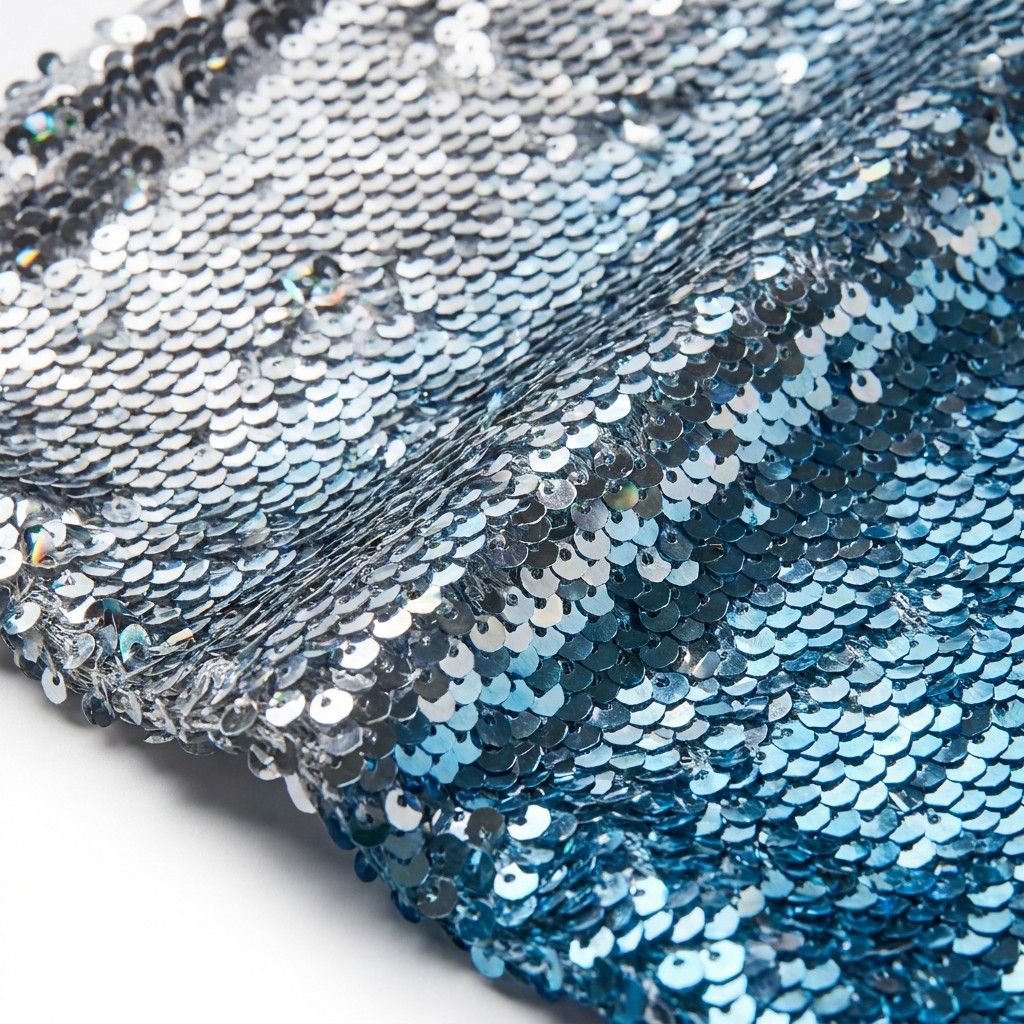
High-density sequins create strong reflections and photograph well under event lighting. They are useful for statement backdrops, stage panels and premium table decoration. However, a dense surface can add weight and may require more careful packing and installation.
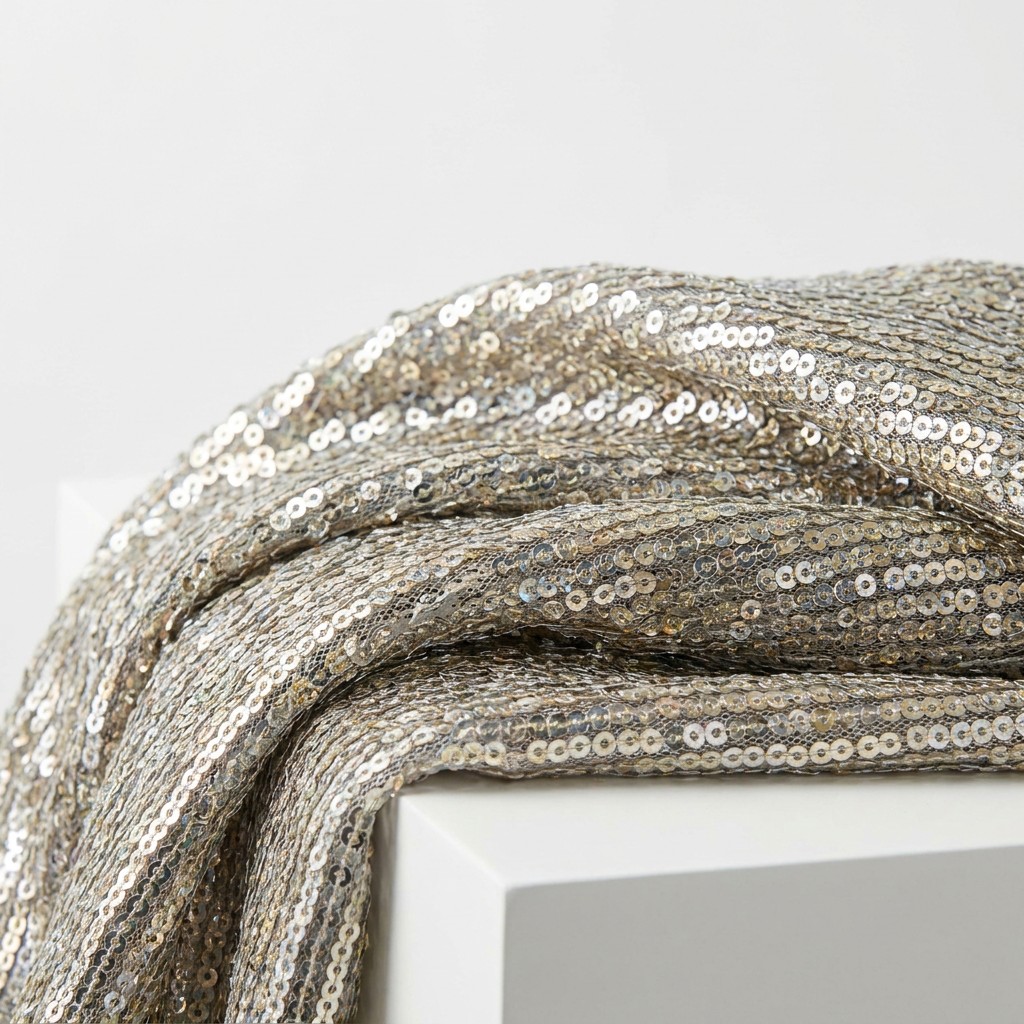
For table runners and tablecloths, buyers should consider how the fabric will be folded, transported and placed repeatedly. A balanced sequin density can provide a rich surface without making the item unnecessarily heavy. For cushions and accent pillows, the base fabric and seam construction also matter because the surface will be touched and compressed more frequently.
A good starting point is to compare the broader sequin fabric category with application-specific options such as a sequin table runner or sequin table cloth.
2. Evaluate the Backing and Edge Stability
The sequin surface attracts attention, but the backing determines much of the product's practical performance. Buyers should check whether the base is stable enough for cutting, sewing and repeated handling. A weak or overly open backing can stretch during installation, while an overly rigid backing may reduce drape and create uncomfortable edges.
Ask the supplier how the fabric should be cut and finished. For large decorative panels, edge treatment can prevent fraying and help maintain a clean appearance. For table decoration, the buyer should confirm whether the finished item requires lining, a hem or a reinforced edge.
3. Plan Maintenance Before Ordering
Hospitality and event buyers should define a maintenance plan before confirming bulk production. The correct care method depends on the sequin material, embroidery attachment, backing and final product construction.
A practical sourcing discussion should cover:
- Whether the item is intended for one event or repeated rental use
- How it will be folded and stored between events
- Whether spot cleaning is preferred over full washing
- Which detergents or heat exposure should be avoided
- How the fabric should be packed to prevent crushing
Buyers should request a sample and test the actual handling process. A fabric that performs well as a flat swatch may require different packaging once it becomes a runner, pillow cover or hanging panel.
4. Use Coordinated Textures Instead of One Repeated Surface
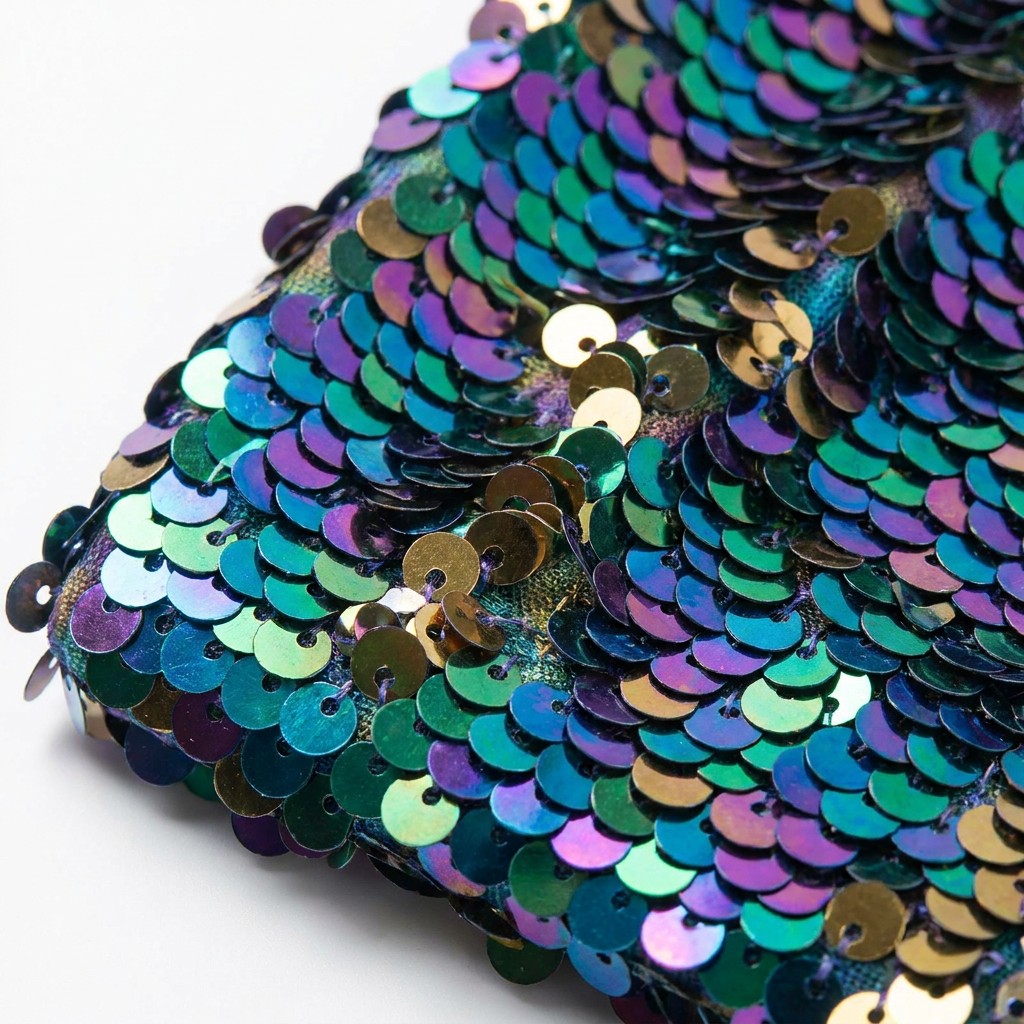
A sophisticated interior program does not need every item to use the same sequin density. Combining a brighter runner with a softer cushion or a velvet-based accent can create depth without making the room look visually overloaded.
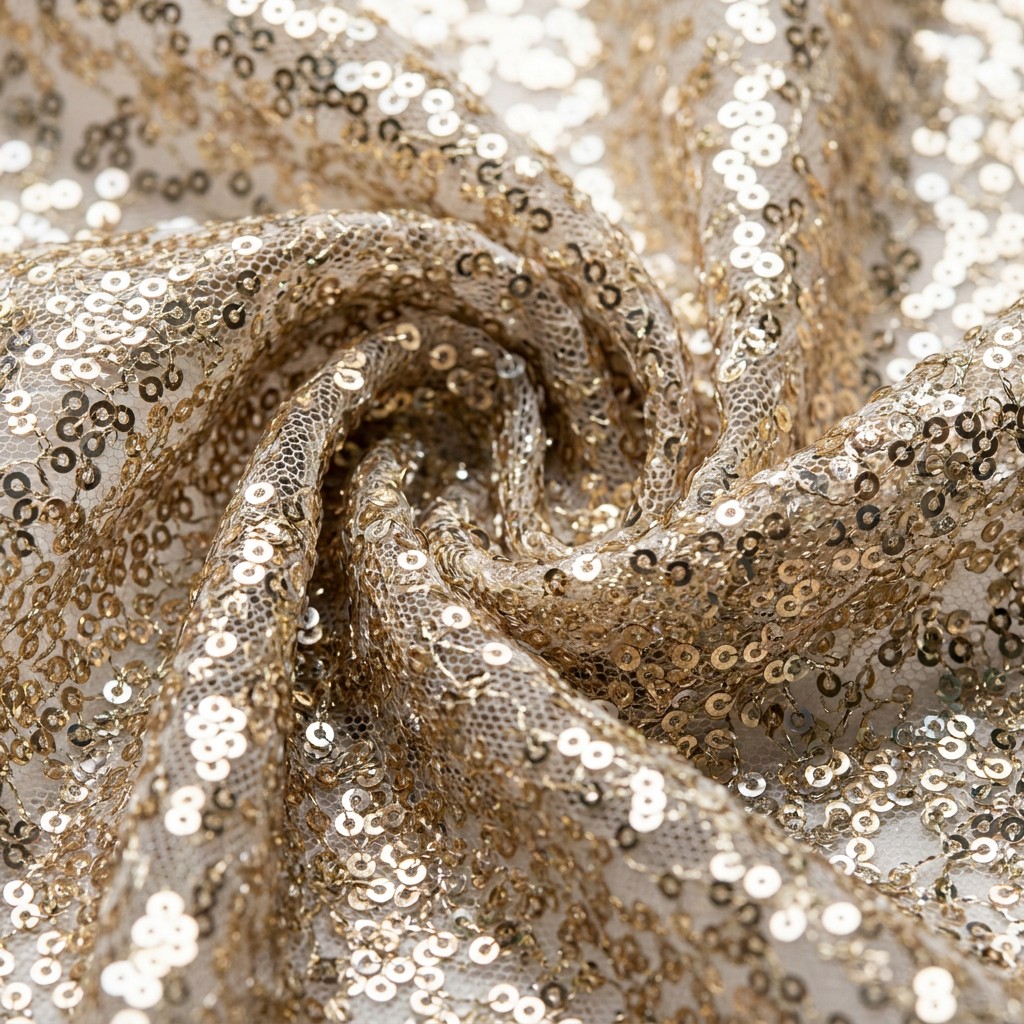
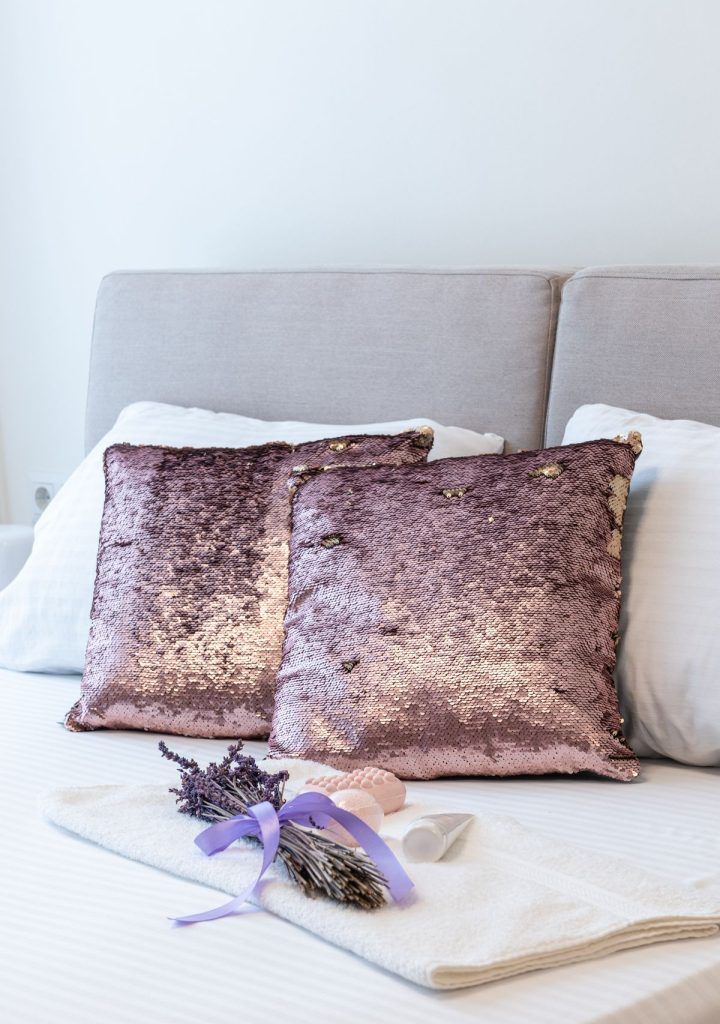
For softer interior applications, a 5mm velvet sequin fabric can introduce a richer hand feel. A sequin pillow can then act as a controlled accent rather than a full-surface statement. This approach is useful for hotel lounges, bridal venues and premium restaurant interiors where the goal is a polished atmosphere.

5. Confirm Bulk Consistency for Multi-Location Projects
When a hospitality group or event supplier is preparing items for multiple venues, consistency becomes a major purchasing issue. The buyer should approve a reference sample and confirm the color, sequin size, density, usable width and finishing method before production.
It is also useful to request roll or batch identification so that future replenishment can be compared with the original order. A factory-direct partner can help coordinate sample development, color matching and packing requirements before the order is divided into multiple shipments.
Conclusion: Source for the Full Life of the Product
The best sequin fabric for hospitality and event interiors is not necessarily the brightest option. It is the option that delivers the right visual effect while remaining stable during installation, practical to maintain and consistent across repeat orders.
To request samples for an event, hospitality or interior project, use the Free Swatches request form or visit the Yunfan Textile Contact Us page. For secure wholesale purchasing, visit our Alibaba Gold Supplier store with Trade Assurance.
Contact Yunfan Textile for B2B Sourcing
🌐 Website: https://www.yunfantextile.com/
📌 B2B Contact: Jessie wendy
📱 WhatsApp/WeChat: +86 175 1619 6727 / +86 156 3752 5803
📧 Email: morris@yunfantextile.com
📧 Email: morris@yunfantextile.com