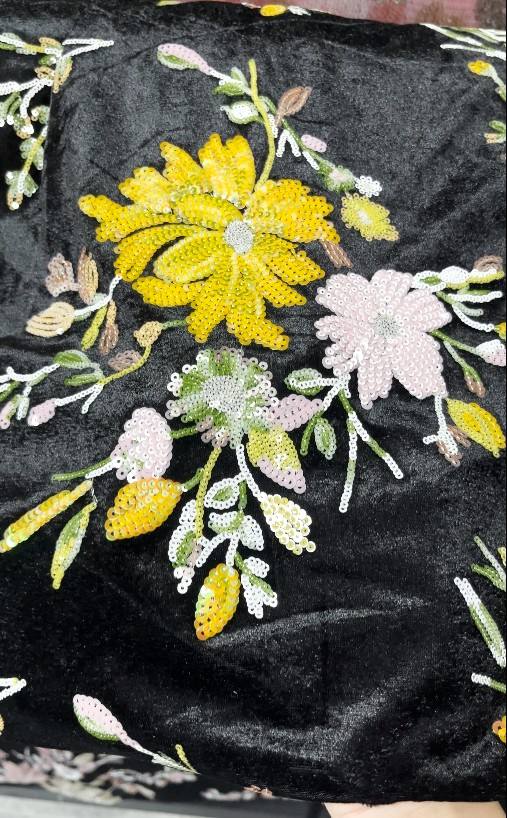
schiffli eyelet punching precision gives B2B decorative fabric buyers a clear production and inspection framework. This guide turns laboratory evidence into practical sourcing decisions for stable bulk quality.
Yunfan Textile supports a minimum order quantity of 200 yards. Morris coordinates samples, specifications, production timing, and final inspection evidence.
Use our quality control resources and embroidery fabric resources for related standards.
schiffli eyelet punching precision: Machine alignment
First, technicians define the approved reference for machine alignment. Next, they condition samples and record the machine, material, time, and environmental settings. They then compare the result with the signed B2B specification. Therefore, buyers receive evidence that supports cutting, sewing, packing, and repeat orders.
In production, operators check the first roll, the middle roll, and the final roll. Meanwhile, inspectors document lot numbers, corrective action, and release decisions. This process reduces variation and helps a purchasing team approve material with confidence.
schiffli eyelet punching precision: Punch calibration
First, technicians define the approved reference for punch calibration. Next, they condition samples and record the machine, material, time, and environmental settings. They then compare the result with the signed B2B specification. Therefore, buyers receive evidence that supports cutting, sewing, packing, and repeat orders.
In production, operators check the first roll, the middle roll, and the final roll. Meanwhile, inspectors document lot numbers, corrective action, and release decisions. This process reduces variation and helps a purchasing team approve material with confidence.
Cotton base control
First, technicians define the approved reference for cotton base control. Next, they condition samples and record the machine, material, time, and environmental settings. They then compare the result with the signed B2B specification. Therefore, buyers receive evidence that supports cutting, sewing, packing, and repeat orders.
In production, operators check the first roll, the middle roll, and the final roll. Meanwhile, inspectors document lot numbers, corrective action, and release decisions. This process reduces variation and helps a purchasing team approve material with confidence.
Organza base control
First, technicians define the approved reference for organza base control. Next, they condition samples and record the machine, material, time, and environmental settings. They then compare the result with the signed B2B specification. Therefore, buyers receive evidence that supports cutting, sewing, packing, and repeat orders.
In production, operators check the first roll, the middle roll, and the final roll. Meanwhile, inspectors document lot numbers, corrective action, and release decisions. This process reduces variation and helps a purchasing team approve material with confidence.
Burr prevention
First, technicians define the approved reference for burr prevention. Next, they condition samples and record the machine, material, time, and environmental settings. They then compare the result with the signed B2B specification. Therefore, buyers receive evidence that supports cutting, sewing, packing, and repeat orders.
In production, operators check the first roll, the middle roll, and the final roll. Meanwhile, inspectors document lot numbers, corrective action, and release decisions. This process reduces variation and helps a purchasing team approve material with confidence.
Edge stitch density
First, technicians define the approved reference for edge stitch density. Next, they condition samples and record the machine, material, time, and environmental settings. They then compare the result with the signed B2B specification. Therefore, buyers receive evidence that supports cutting, sewing, packing, and repeat orders.
In production, operators check the first roll, the middle roll, and the final roll. Meanwhile, inspectors document lot numbers, corrective action, and release decisions. This process reduces variation and helps a purchasing team approve material with confidence.
Hole shape inspection
First, technicians define the approved reference for hole shape inspection. Next, they condition samples and record the machine, material, time, and environmental settings. They then compare the result with the signed B2B specification. Therefore, buyers receive evidence that supports cutting, sewing, packing, and repeat orders.
In production, operators check the first roll, the middle roll, and the final roll. Meanwhile, inspectors document lot numbers, corrective action, and release decisions. This process reduces variation and helps a purchasing team approve material with confidence.
Width calibration
First, technicians define the approved reference for width calibration. Next, they condition samples and record the machine, material, time, and environmental settings. They then compare the result with the signed B2B specification. Therefore, buyers receive evidence that supports cutting, sewing, packing, and repeat orders.
In production, operators check the first roll, the middle roll, and the final roll. Meanwhile, inspectors document lot numbers, corrective action, and release decisions. This process reduces variation and helps a purchasing team approve material with confidence.
Roll mapping
First, technicians define the approved reference for roll mapping. Next, they condition samples and record the machine, material, time, and environmental settings. They then compare the result with the signed B2B specification. Therefore, buyers receive evidence that supports cutting, sewing, packing, and repeat orders.
In production, operators check the first roll, the middle roll, and the final roll. Meanwhile, inspectors document lot numbers, corrective action, and release decisions. This process reduces variation and helps a purchasing team approve material with confidence.
Buyer release checklist
First, technicians define the approved reference for buyer release checklist. Next, they condition samples and record the machine, material, time, and environmental settings. They then compare the result with the signed B2B specification. Therefore, buyers receive evidence that supports cutting, sewing, packing, and repeat orders.
In production, operators check the first roll, the middle roll, and the final roll. Meanwhile, inspectors document lot numbers, corrective action, and release decisions. This process reduces variation and helps a purchasing team approve material with confidence.

Source direct on Alibaba - request bulk pricing, specifications, and production details in one place.
Request Sequin Fabric Samples and share your target GSM, width, sequin size, and colour reference.
Talk to Morris directly:
Email: morris@yunfantextile.com
WhatsApp: +86 156 3752 5803
WhatsApp: +86 175 1619 6727