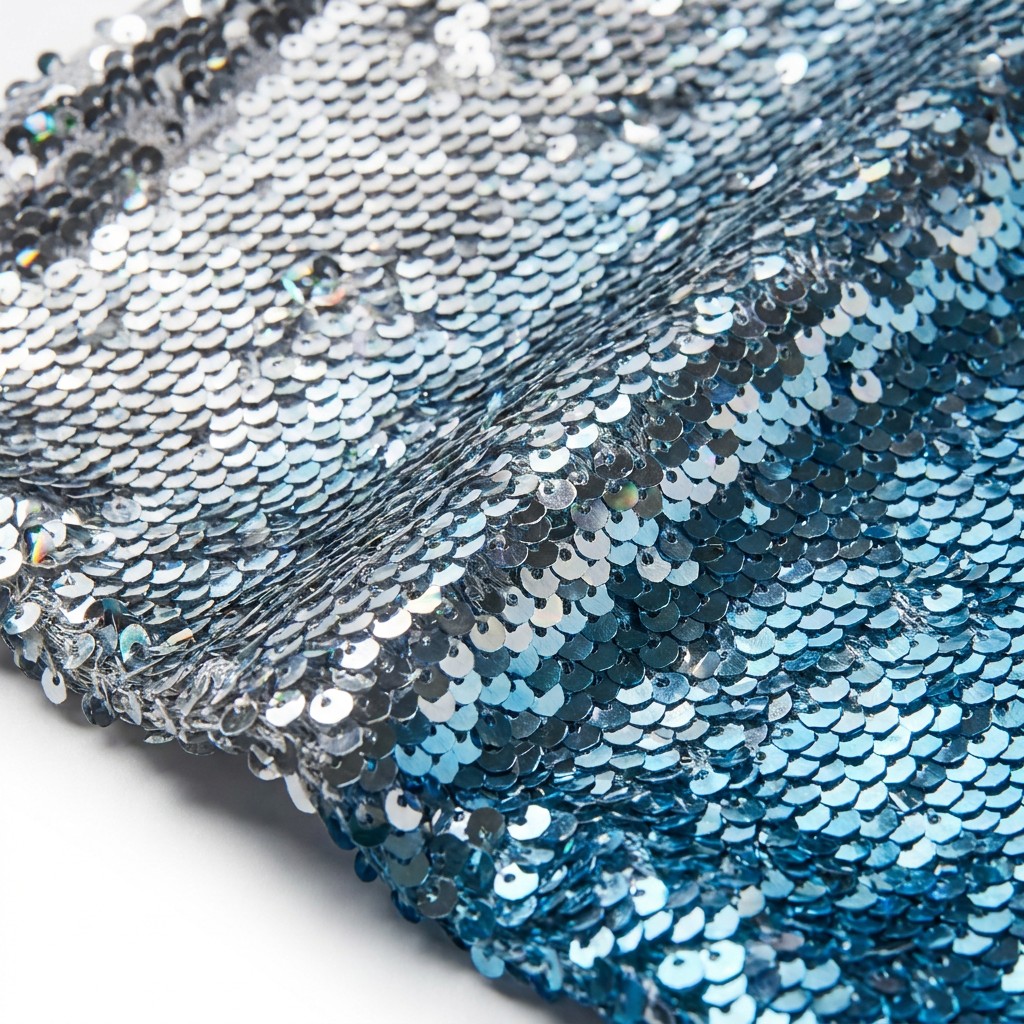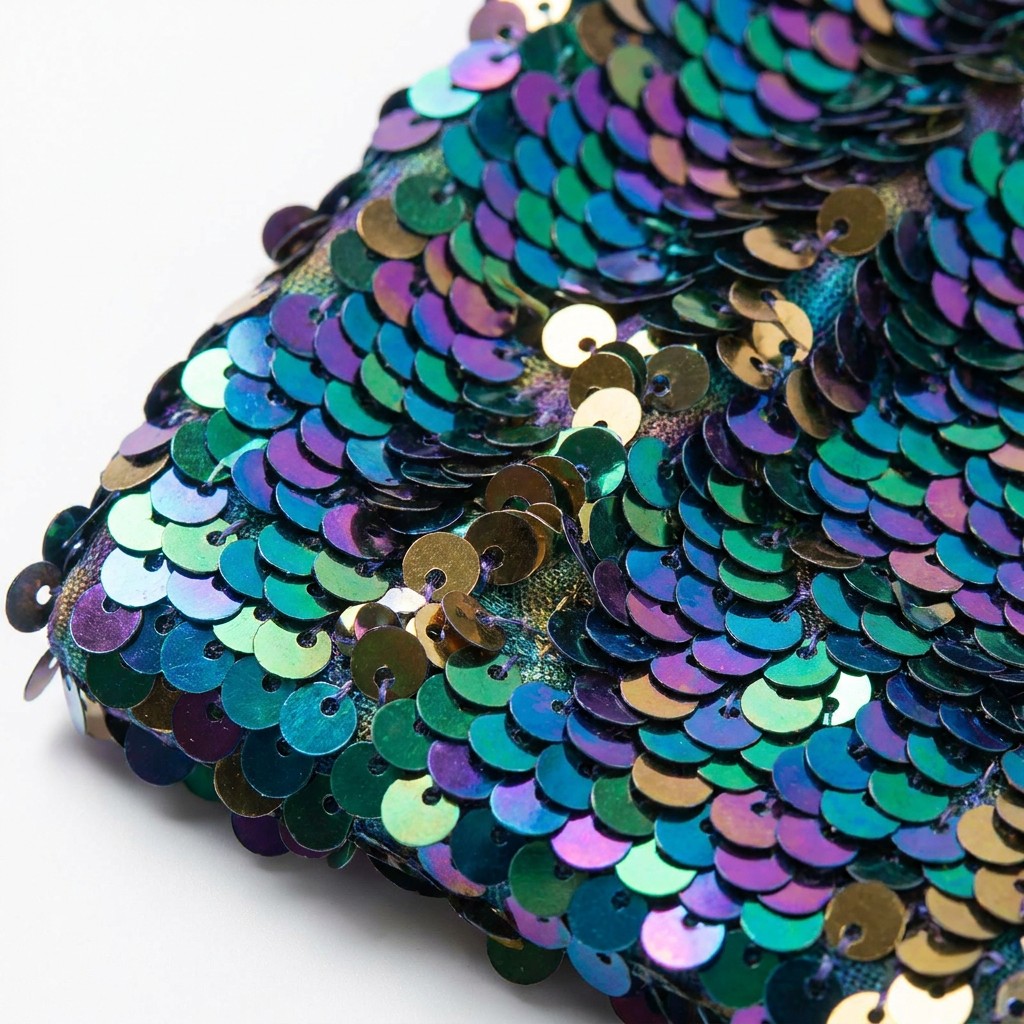
metallic sequin salt spray gives B2B decorative fabric buyers a clear production and inspection framework. This guide turns laboratory evidence into practical sourcing decisions for stable bulk quality.
Yunfan Textile supports a minimum order quantity of 200 yards. Morris coordinates samples, specifications, production timing, and final inspection evidence.
Use our quality control resources and embroidery fabric resources for related standards.
metallic sequin salt spray: Salt risk mapping
First, technicians define the approved reference for salt risk mapping. Next, they condition samples and record the machine, material, time, and environmental settings. They then compare the result with the signed B2B specification. Therefore, buyers receive evidence that supports cutting, sewing, packing, and repeat orders.
In production, operators check the first roll, the middle roll, and the final roll. Meanwhile, inspectors document lot numbers, corrective action, and release decisions. This process reduces variation and helps a purchasing team approve material with confidence.
metallic sequin salt spray: ASTM B117 method
First, technicians define the approved reference for astm b117 method. Next, they condition samples and record the machine, material, time, and environmental settings. They then compare the result with the signed B2B specification. Therefore, buyers receive evidence that supports cutting, sewing, packing, and repeat orders.
In production, operators check the first roll, the middle roll, and the final roll. Meanwhile, inspectors document lot numbers, corrective action, and release decisions. This process reduces variation and helps a purchasing team approve material with confidence.
ISO 9227 comparison
First, technicians define the approved reference for iso 9227 comparison. Next, they condition samples and record the machine, material, time, and environmental settings. They then compare the result with the signed B2B specification. Therefore, buyers receive evidence that supports cutting, sewing, packing, and repeat orders.
In production, operators check the first roll, the middle roll, and the final roll. Meanwhile, inspectors document lot numbers, corrective action, and release decisions. This process reduces variation and helps a purchasing team approve material with confidence.
Aluminium surface
First, technicians define the approved reference for aluminium surface. Next, they condition samples and record the machine, material, time, and environmental settings. They then compare the result with the signed B2B specification. Therefore, buyers receive evidence that supports cutting, sewing, packing, and repeat orders.
In production, operators check the first roll, the middle roll, and the final roll. Meanwhile, inspectors document lot numbers, corrective action, and release decisions. This process reduces variation and helps a purchasing team approve material with confidence.
Clearcoat selection
First, technicians define the approved reference for clearcoat selection. Next, they condition samples and record the machine, material, time, and environmental settings. They then compare the result with the signed B2B specification. Therefore, buyers receive evidence that supports cutting, sewing, packing, and repeat orders.
In production, operators check the first roll, the middle roll, and the final roll. Meanwhile, inspectors document lot numbers, corrective action, and release decisions. This process reduces variation and helps a purchasing team approve material with confidence.
High humidity
First, technicians define the approved reference for high humidity. Next, they condition samples and record the machine, material, time, and environmental settings. They then compare the result with the signed B2B specification. Therefore, buyers receive evidence that supports cutting, sewing, packing, and repeat orders.
In production, operators check the first roll, the middle roll, and the final roll. Meanwhile, inspectors document lot numbers, corrective action, and release decisions. This process reduces variation and helps a purchasing team approve material with confidence.
Coastal costumes
First, technicians define the approved reference for coastal costumes. Next, they condition samples and record the machine, material, time, and environmental settings. They then compare the result with the signed B2B specification. Therefore, buyers receive evidence that supports cutting, sewing, packing, and repeat orders.
In production, operators check the first roll, the middle roll, and the final roll. Meanwhile, inspectors document lot numbers, corrective action, and release decisions. This process reduces variation and helps a purchasing team approve material with confidence.
Cruise stages
First, technicians define the approved reference for cruise stages. Next, they condition samples and record the machine, material, time, and environmental settings. They then compare the result with the signed B2B specification. Therefore, buyers receive evidence that supports cutting, sewing, packing, and repeat orders.
In production, operators check the first roll, the middle roll, and the final roll. Meanwhile, inspectors document lot numbers, corrective action, and release decisions. This process reduces variation and helps a purchasing team approve material with confidence.
Final checklist
First, technicians define the approved reference for final checklist. Next, they condition samples and record the machine, material, time, and environmental settings. They then compare the result with the signed B2B specification. Therefore, buyers receive evidence that supports cutting, sewing, packing, and repeat orders.
In production, operators check the first roll, the middle roll, and the final roll. Meanwhile, inspectors document lot numbers, corrective action, and release decisions. This process reduces variation and helps a purchasing team approve material with confidence.
Buyer release checklist
First, technicians define the approved reference for buyer release checklist. Next, they condition samples and record the machine, material, time, and environmental settings. They then compare the result with the signed B2B specification. Therefore, buyers receive evidence that supports cutting, sewing, packing, and repeat orders.
In production, operators check the first roll, the middle roll, and the final roll. Meanwhile, inspectors document lot numbers, corrective action, and release decisions. This process reduces variation and helps a purchasing team approve material with confidence.

Source direct on Alibaba - request bulk pricing, specifications, and production details in one place.
Request Sequin Fabric Samples and share your target GSM, width, sequin size, and colour reference.
Talk to Morris directly:
Email: morris@yunfantextile.com
WhatsApp: +86 156 3752 5803
WhatsApp: +86 175 1619 6727