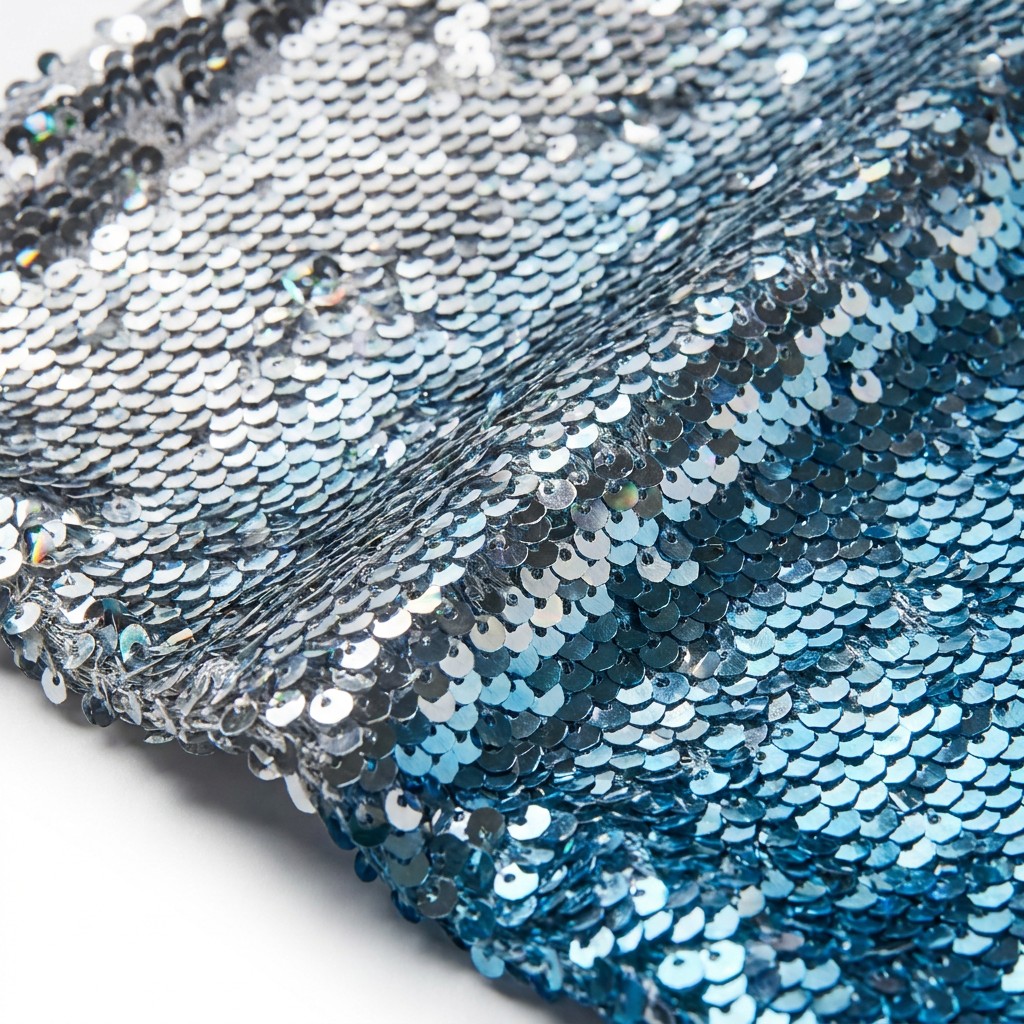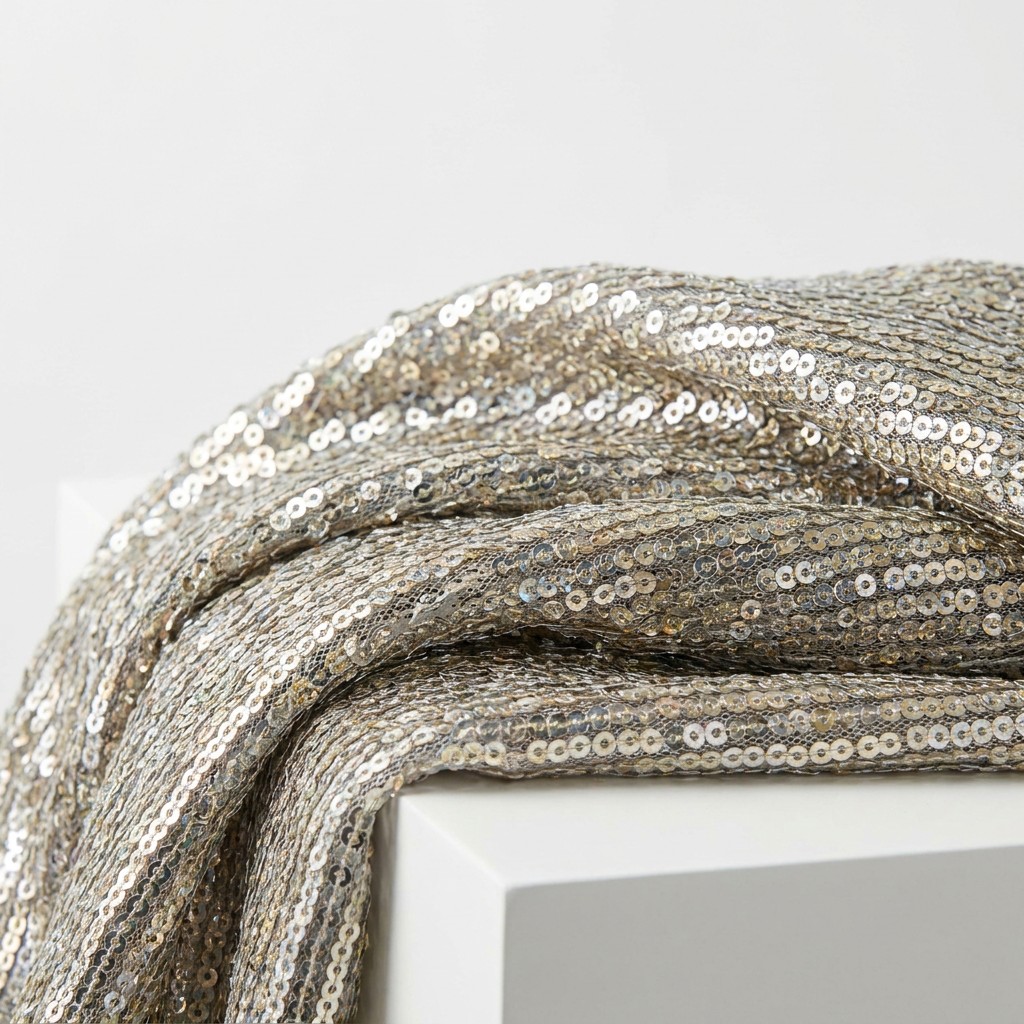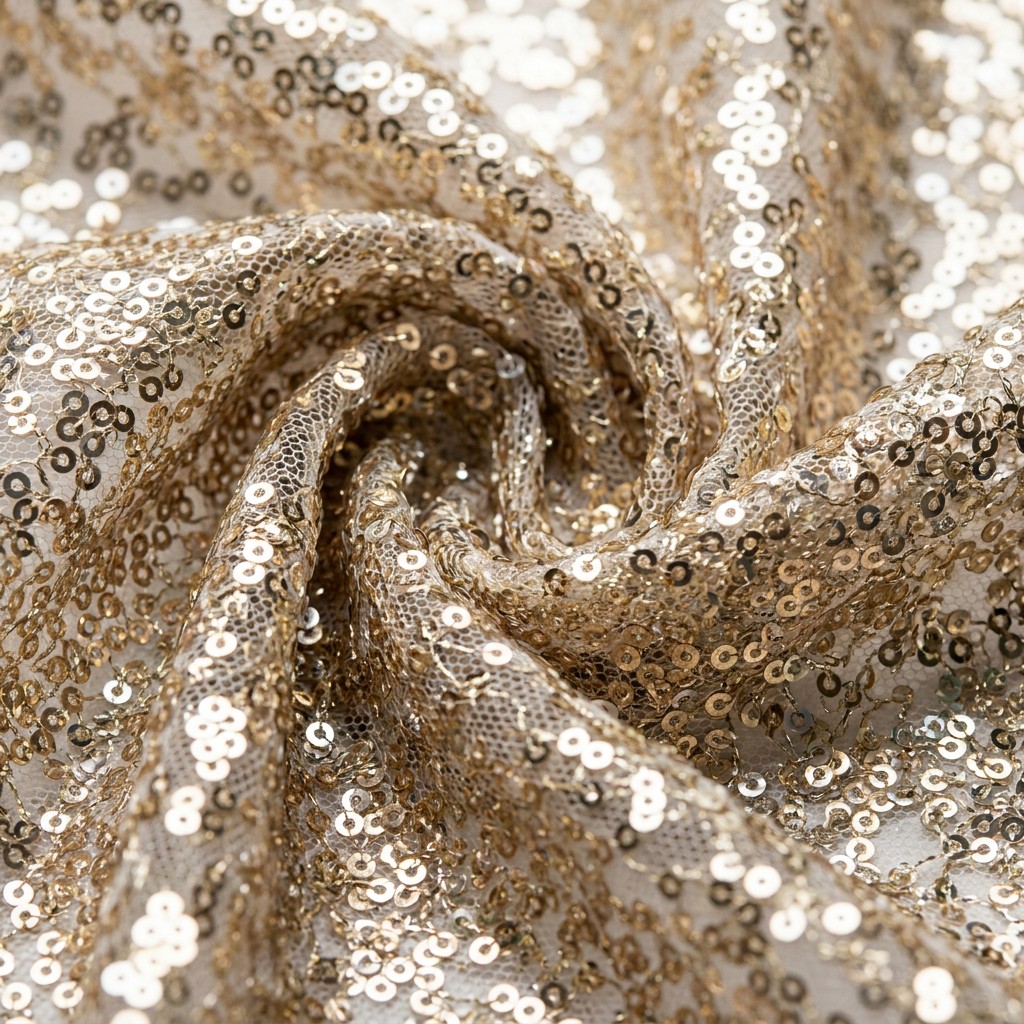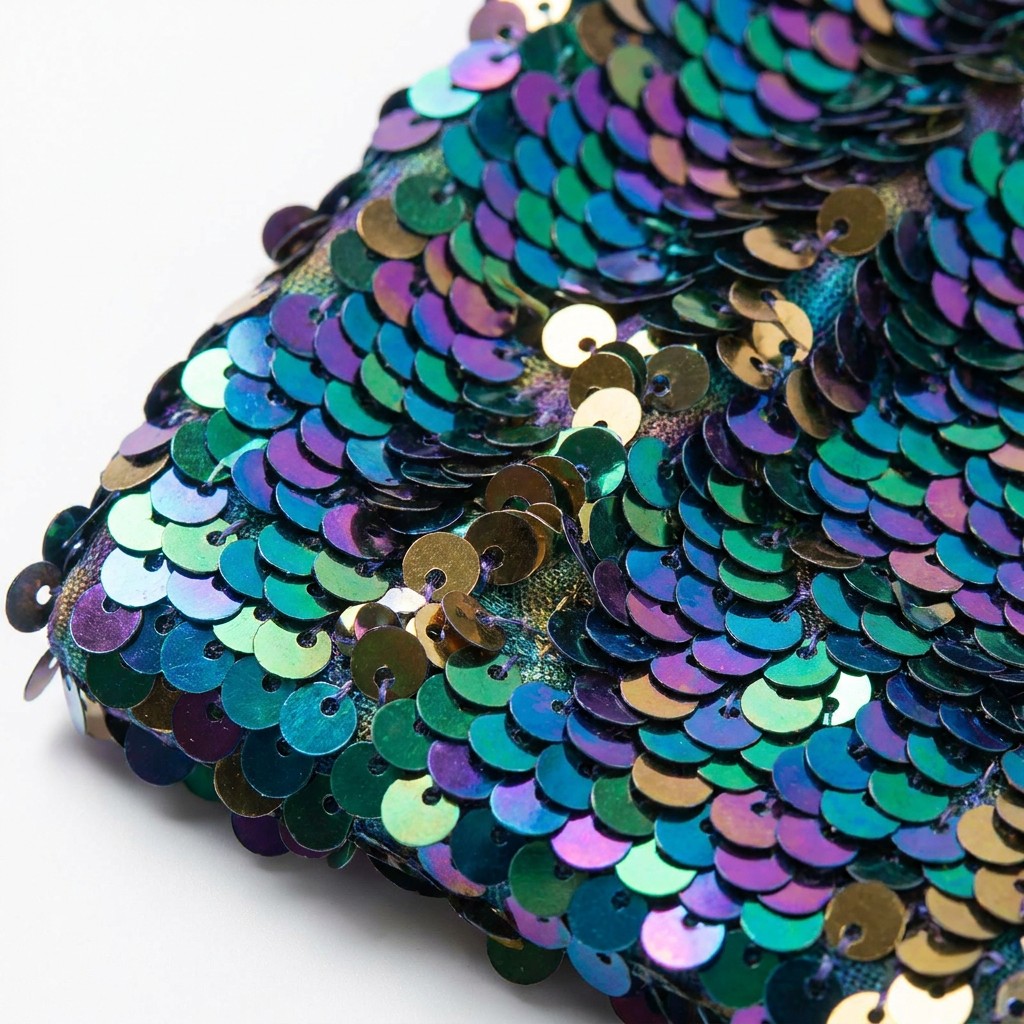
matte sequin colorfastness starts with a clear factory test plan for buyers who need consistent decorative fabric at scale. This guide explains how a matte surface can keep its tone after acidic and alkaline perspiration exposure, then survive professional dry cleaning.
Yunfan Textile supports a minimum order quantity of 200 yards. We target a Grade 4+ release level for colour change and staining when the approved construction and care route match the order. We combine measurable controls with practical production advice, so a sourcing team can approve material with confidence.
Use our quality control resources and sequin fabric testing guides when you compare suppliers. The goal is simple: stable appearance, stable performance, and clear evidence at shipment.
matte sequin colorfastness: Risk zones in stage and eveningwear
Perspiration reaches collars, underarms, waistlines, and inner cuffs first. AATCC 15 perspiration testing and ISO 105-D01 perchloroethylene testing gives buyers a repeatable control point before cutting, sewing, and packing. Our quality team documents each roll, lot, and approval sample for traceability.
Stage garments also face heat, friction, makeup, and repeated movement near the matte coating. The team then compares production results with the signed standard. A B2B buyer can use this record to reduce claims, protect delivery dates, and plan reliable repeat orders.
matte sequin colorfastness: Acidic and alkaline perspiration method
AATCC 15 exposes the fabric to controlled acidic perspiration under pressure and time. AATCC 15 perspiration testing and ISO 105-D01 perchloroethylene testing gives buyers a repeatable control point before cutting, sewing, and packing. Our quality team documents each roll, lot, and approval sample for traceability.
The laboratory grades colour change and staining against the approved grey scales. The team then compares production results with the signed standard. A B2B buyer can use this record to reduce claims, protect delivery dates, and plan reliable repeat orders.
Dry cleaning with perchloroethylene
ISO 105-D01 simulates a professional dry-cleaning route with perchloroethylene. AATCC 15 perspiration testing and ISO 105-D01 perchloroethylene testing gives buyers a repeatable control point before cutting, sewing, and packing. Our quality team documents each roll, lot, and approval sample for traceability.
Technicians inspect shade, coating adhesion, surface powder, and transfer onto adjacent materials. The team then compares production results with the signed standard. A B2B buyer can use this record to reduce claims, protect delivery dates, and plan reliable repeat orders.
Coating loss mechanism
Weak surface bonds allow sweat salts, moisture, and friction to open microscopic coating paths. AATCC 15 perspiration testing and ISO 105-D01 perchloroethylene testing gives buyers a repeatable control point before cutting, sewing, and packing. Our quality team documents each roll, lot, and approval sample for traceability.
Repeated flexing then lifts loose particles and creates a pale halo around contact areas. The team then compares production results with the signed standard. A B2B buyer can use this record to reduce claims, protect delivery dates, and plan reliable repeat orders.
Protective crosslinking finish
A controlled protective crosslinking finish locks the matte layer without hiding its soft visual depth. AATCC 15 perspiration testing and ISO 105-D01 perchloroethylene testing gives buyers a repeatable control point before cutting, sewing, and packing. Our quality team documents each roll, lot, and approval sample for traceability.
The factory balances cure temperature, dwell time, handle, and sequin flexibility. The team then compares production results with the signed standard. A B2B buyer can use this record to reduce claims, protect delivery dates, and plan reliable repeat orders.
Grade 4+ release standard
Grade 4+ means the approved lot shows only slight change under the selected test conditions. AATCC 15 perspiration testing and ISO 105-D01 perchloroethylene testing gives buyers a repeatable control point before cutting, sewing, and packing. Our quality team documents each roll, lot, and approval sample for traceability.
The report must state whether the grade applies to change, staining, or both. The team then compares production results with the signed standard. A B2B buyer can use this record to reduce claims, protect delivery dates, and plan reliable repeat orders.
High-contact garment validation
Garment panels receive extra review because seams and body pressure can amplify surface stress. AATCC 15 perspiration testing and ISO 105-D01 perchloroethylene testing gives buyers a repeatable control point before cutting, sewing, and packing. Our quality team documents each roll, lot, and approval sample for traceability.
A wear simulation checks the underarm, seat, neckline, and sleeve zones before approval. The team then compares production results with the signed standard. A B2B buyer can use this record to reduce claims, protect delivery dates, and plan reliable repeat orders.
Care label and buyer communication
Care instructions should reflect the tested solvent, temperature, detergent, and handling route. AATCC 15 perspiration testing and ISO 105-D01 perchloroethylene testing gives buyers a repeatable control point before cutting, sewing, and packing. Our quality team documents each roll, lot, and approval sample for traceability.
Clear wording prevents a performance result from being misread as unlimited wear resistance. The team then compares production results with the signed standard. A B2B buyer can use this record to reduce claims, protect delivery dates, and plan reliable repeat orders.
Buyer acceptance checklist
Ask for the approved lab method, sample conditioning details, equipment settings, and final rating. Confirm the same fabric construction, finish, colour lot, and sewing process used for the bulk order. Record the responsible inspector and the date of every decision.
For perspiration, test both acidic and alkaline solutions and inspect high-contact zones. For dry cleaning, use the specified perchloroethylene cycle and assess coating loss, shade change, and staining. A useful file includes roll numbers, measured values, photographs, corrective action, and the final release signature. This approach helps purchasing, design, and production teams work from one source of truth.
Why this control supports repeat orders
A signed Grade 4+ report gives merchandisers a clear basis for care labels, performance claims, and repeat-lot comparison. Clear limits also help Morris quote the right construction and explain any trade-off before sampling. Buyers can then protect their brand promise while keeping the 200-yard MOQ practical for development and replenishment.
matte sequin colorfastness is most valuable when the factory shares evidence early, not after a shipment leaves. Request a sample set, approve the reference, and keep the signed specification beside the purchase order.

Source direct on Alibaba - request bulk pricing, specifications, and production details in one place.
View Yunfan Textile on AlibabaRequest Sequin Fabric Samples and share your target GSM, width, sequin size, and colour reference.
Talk to Morris directly:
Email: morris@yunfantextile.com
WhatsApp: +86 156 3752 5803
WhatsApp: +86 175 1619 6727
Release workflow and supplier evidence
First, the laboratory conditions the fabric and labels every specimen. Next, the operator applies the selected acidic and alkaline perspiration solutions. The team presses, dries, and grades the face, reverse, and adjacent white material. Therefore, the report separates colour change from staining and records the exact exposure time.
For dry cleaning, the operator uses the approved perchloroethylene cycle. The team checks the matte coating after cleaning, drying, and gentle handling. In addition, the inspector examines loose particles, shade shift, transfer, and local gloss. This sequence shows whether the protective crosslink remains stable in a realistic care route.
Production approval also needs a roll plan. Inspectors select samples from the beginning, middle, and end of each roll. They compare each position with the signed master sample under neutral light. Meanwhile, supervisors review coating cure, sequin attachment, fabric handle, and packing tension. Any drift receives a hold label and a documented corrective action.
Buyers can request a test summary before placing the order. The summary should list AATCC 15, ISO 105-D01, specimen direction, conditioning, grey-scale grades, and photographs. It should also state the approved care route and the limits for acceptable variation. As a result, purchasing teams can compare suppliers using evidence instead of broad claims.
For a 200-yard order, the factory can reserve the approved colour lot and keep a retained sample. Morris can coordinate the sample review, technical questions, and production timing. Finally, the buyer receives the release record with the shipment documents. This process supports a reliable handover from development to bulk delivery.
In addition, the factory checks an approved retained swatch after every corrective action. This simple comparison keeps the matte appearance stable and gives the purchasing team a clear record for future 200-yard orders.