How to Audit an Embroidery and Sequin Fabric Factory Before Placing a Bulk Order in 2026
Choosing an embroidery and sequin fabric factory is a production decision, not only a price comparison. A supplier may show attractive photos, but international buyers also need to understand production capacity, sample control, material consistency, quality inspection, packing and communication. A structured factory audit helps fashion brands, wholesalers, costume suppliers and interior decorators reduce risk before placing a bulk order.
1. Confirm the factory’s real production capability
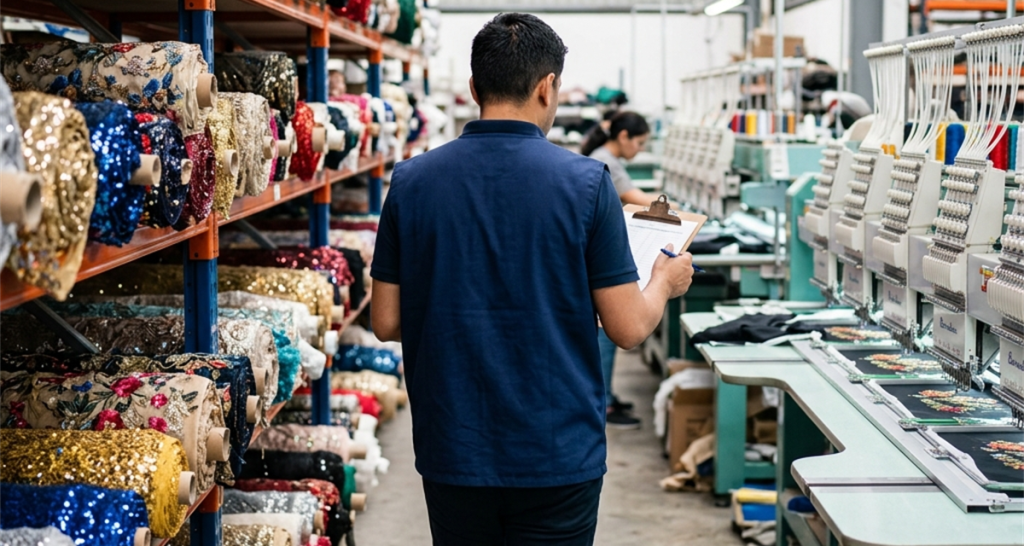
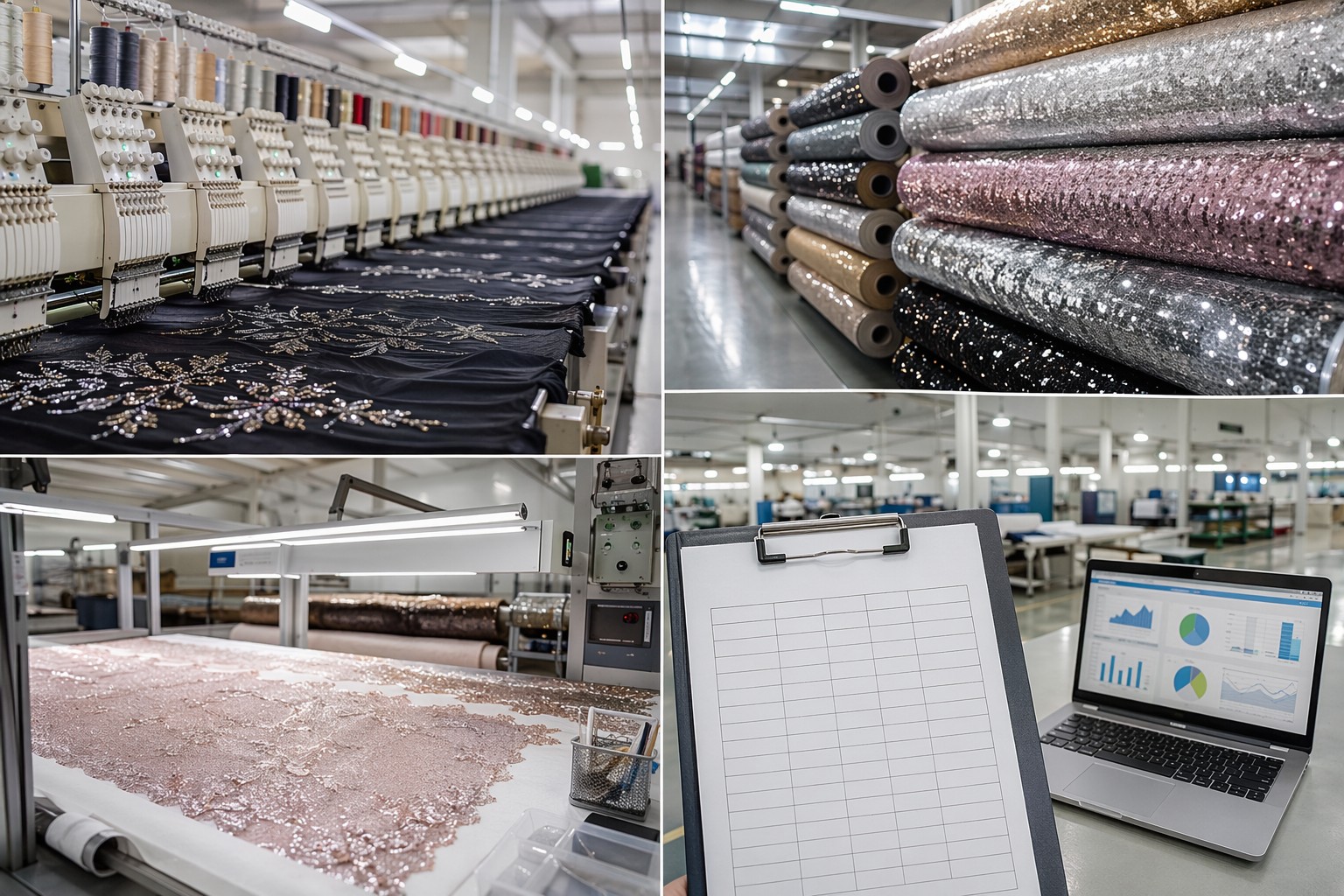
Start by checking whether the supplier operates its own production facility or mainly coordinates production through outside partners. Ask for recent workshop photos or a live video tour that shows embroidery machines, sequin application areas, inspection tables and finished fabric storage. A credible supplier should be able to explain which processes are completed in-house and which are outsourced.
For custom sequin fabric, production capability affects more than lead time. It determines whether the factory can repeat a design, adjust sequin density, develop a new base fabric or maintain the same appearance across multiple orders. Yunfan Textile is based in Keqiao and supports sequin, embroidery, mesh and decorative fabric development for global B2B buyers.
2. Audit the base fabric and material specifications
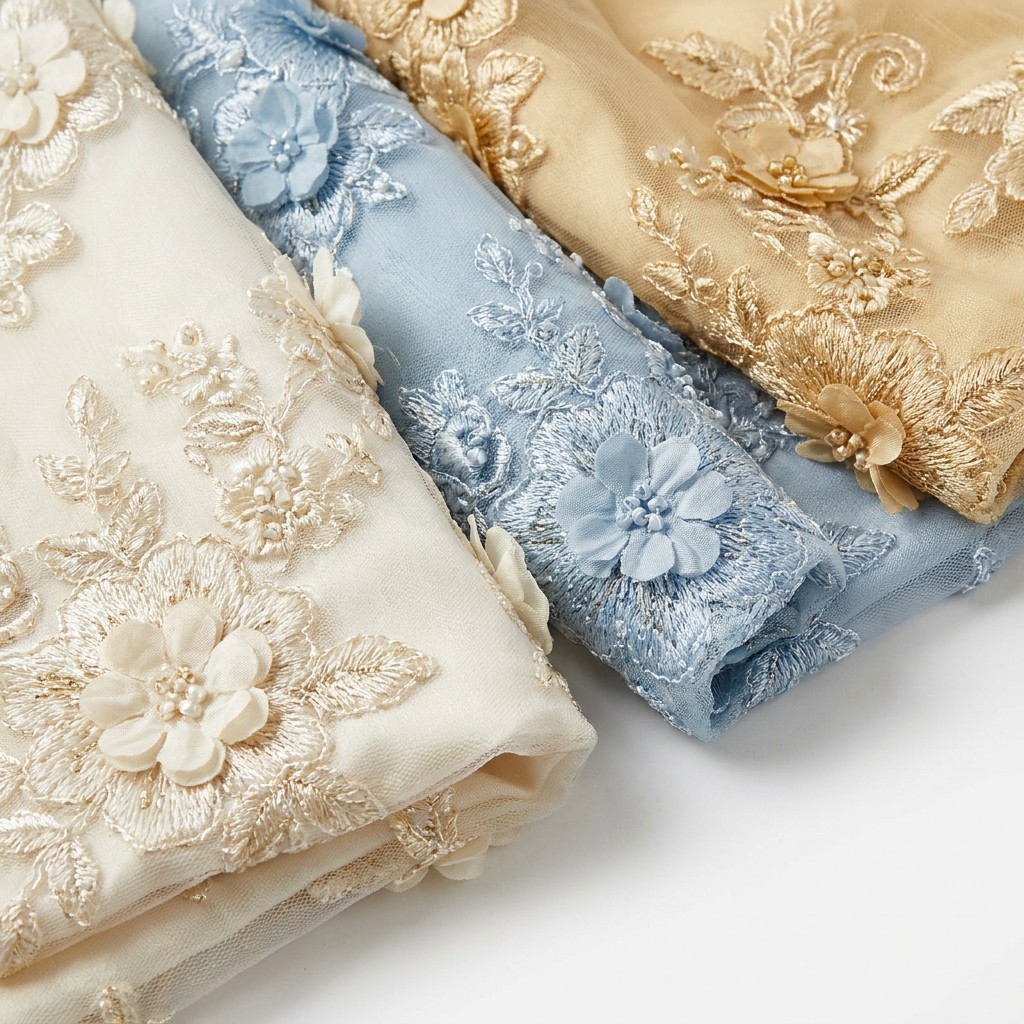
Before approving a sample, record the base fabric type, width, weight, transparency, stretch direction and hand feel. Mesh, tulle, stretch mesh, velvet and organza bases behave differently during cutting and sewing. A fabric suitable for a bridal overlay may not be suitable for dancewear or a large event backdrop.
Ask the factory to explain how the base fabric will affect drape, recovery, seam behavior and packing. A professional audit should include a physical swatch rather than relying only on images. Buyers should keep the approved swatch as a reference for bulk color, texture and construction checks.
3. Check sequin attachment and embroidery quality
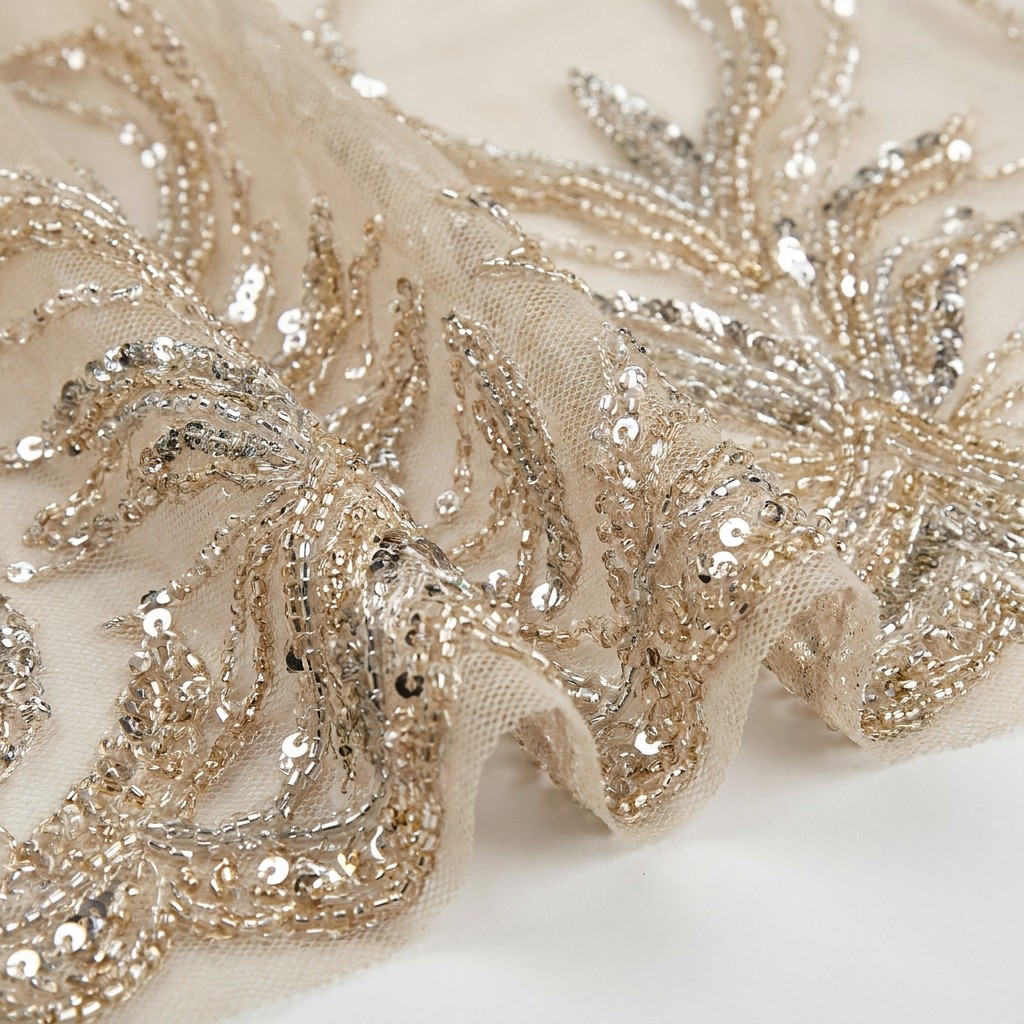
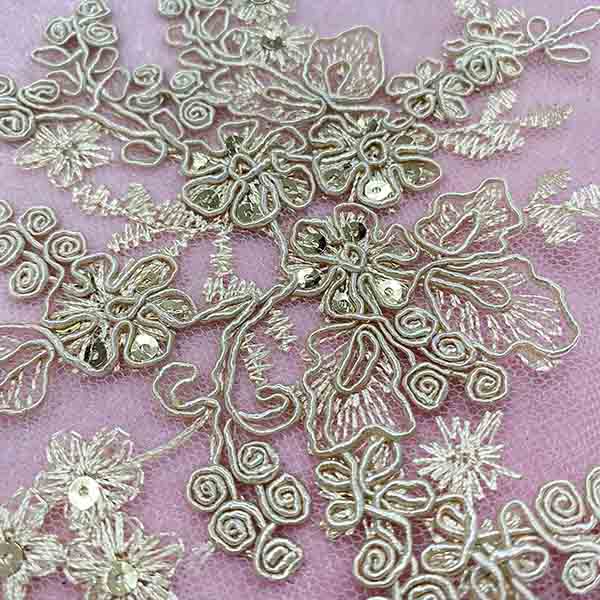
Loose sequins are a common source of complaints after bulk delivery. During sample review, gently rub, fold and stretch the fabric where appropriate. Inspect whether sequins stay attached and whether embroidery threads are secure. For dense patterns, check motif alignment, repeat distance and edge finishing.
For high-movement garments, test the fabric around seams and stress points. For decorative panels, inspect the surface after rolling and unrolling. The correct test depends on the final application, so include the intended use in the audit brief.
4. Compare sample and bulk consistency
Color names such as champagne, silver, rose gold, black and iridescent can vary between suppliers. Buyers should request a clear color reference and confirm how the factory controls dye lots, thread color, sequin finish and base fabric tone. For large orders, ask whether the production will be completed in one coordinated batch.
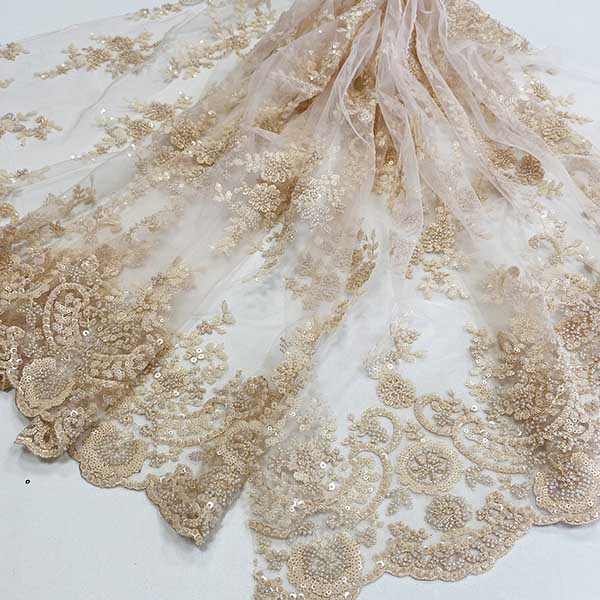
Before shipment, request roll photos or a short inspection video. Check width, roll condition, sequin density, pattern alignment and visible color variation. Keeping a golden sample and written approval notes makes repeat orders easier to manage.
5. Review MOQ, lead time and communication
A factory audit should cover commercial details as well as production. Ask for the MOQ for standard designs and custom developments. Separate the sample deadline, approval date, bulk production time and shipping time. If the project has a fixed launch date, tell the factory early so feasibility can be assessed honestly.
Communication quality is also a practical audit point. The supplier should answer technical questions clearly, explain limitations and confirm changes in writing. Fast replies are useful, but accurate replies are more important for a long-term B2B relationship.
6. Check export packing and after-sample support
Sequin fabrics can be damaged by pressure, friction and moisture during transport. Ask how the rolls are protected, labeled and packed. If the fabric will be reused for events or shipped over long distances, confirm storage and handling recommendations.
After the sample is approved, the factory should continue supporting the order with production updates, inspection photos and shipping documents. This reduces uncertainty between sample approval and final delivery.
Factory-direct sourcing with Yunfan Textile
Yunfan Textile helps global buyers evaluate sequin and embroidery fabrics through sample development, material selection, production communication and bulk quality checks. Our Keqiao factory background gives buyers a direct path to discuss custom patterns, base fabrics, sequin sizes, MOQ and delivery planning.
A successful audit is not about finding the cheapest supplier. It is about confirming that the factory can deliver the required material, quality and communication standard repeatedly. A clear audit checklist helps buyers turn an attractive sample into a dependable bulk order.
Source securely with Yunfan Textile
Request fabric samples or purchase through our Alibaba Gold Supplier store with Trade Assurance.
Browse Sequin Fabric | Alibaba Gold Supplier / Trade Assurance | Request Free Swatches / Contact Us
Contact Yunfan Textile for B2B Sourcing
🌐 Website: https://www.yunfantextile.com/
📌 B2B Contact: Jessie wendy
📱 WhatsApp/WeChat: +86 175 1619 6727 / +86 156 3752 5803
📧 Email: morris@yunfantextile.com
📧 Email: morris@yunfantextile.com