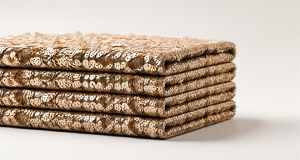
When a garment catches the eye from across a showroom floor, odds are it is not just the color—it is the texture. In 2026, the most sought-after embellishment technique in B2B apparel sourcing is not a new fiber or a digital print. It is the physical, tactile dimension of 3D embroidery fabric.
From premium headwear and streetwear to luxury home decor, 3D sequin and puff embroidery have become the definitive mark of a high-value product. But sourcing this fabric at scale requires understanding the machinery, materials, and precision behind each raised stitch. Yunfan Textile, operating 40+ multi-head embroidery lines in Keqiao, breaks down exactly how 3D embroidery fabric is made—and what buyers should demand from their manufacturer.
What Is 3D embroidery fabric? Flat vs. Puff
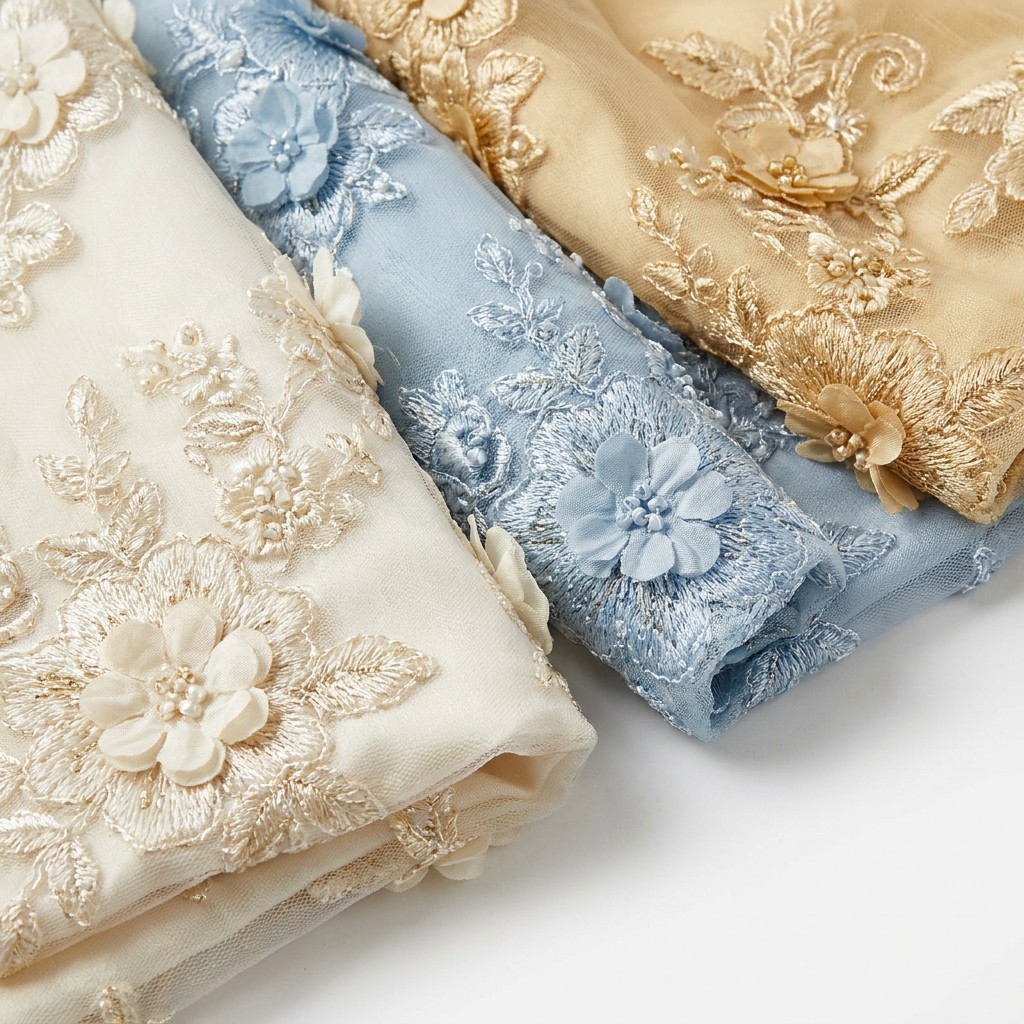
Standard embroidery sits flush with the base fabric—the thread is stitched into the textile. 3D puff embroidery introduces a foam underlay that the machine stitches over, creating a sculptural, raised effect that physically stands off the surface.
| Dimension | Flat Embroidery | 3D Puff / Sequin |
|---|---|---|
| Stitch profile | 0.2-0.5mm | 2-6mm |
| Best design | Intricate details, fine text | Bold logos, geometric |
| Underlay | None | EVA foam sheet |
| Stitch density | 4-6 lines/mm | 8-12 lines/mm |
| Machine time | 1x baseline | 1.8-2.5x |
The 3D Embroidery Process: Three Precision Stages
Stage 1: Digitizing — Before a single needle moves, artwork converts to a stitch file via CAD/CAM. For 3D work, a single file can contain 40,000-90,000 stitches per square foot. Yunfan Textile has processed over 5,000 custom patterns.
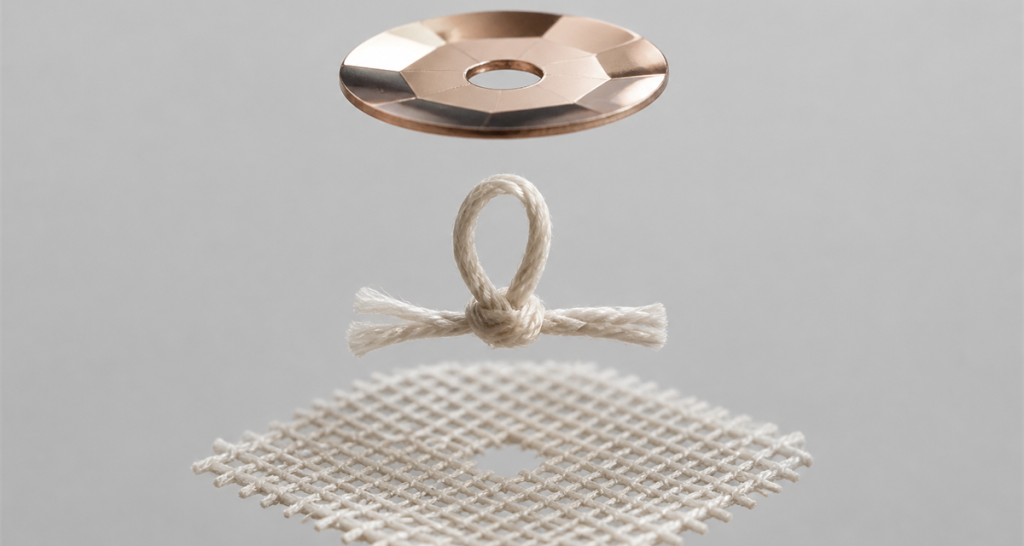
Stage 2: Foam Placement and Multi-Head Stitching — On Tajima and Barudan multi-head machines: (1) Base outline stitch registers position, (2) 2mm-6mm EVA foam placed, (3) Ultra-dense satin stitches (8-12 lines/mm) encapsulate and perforate foam, (4) Technicians weed excess foam. The key variable? Thread tension control within +/-0.5g across 40+ heads.
Stage 3: Quality Control — Every roll undergoes visual inspection (D65 lighting), physical testing (5kg pull test, 20,000 Martindale cycles), and dimensional measurement (+/-0.3mm tolerance).
Three 3D Embroidery Techniques
1. 3D Puff Embroidery — Classic EVA foam raised profile. Best for bold logos, lettering, caps and jackets.
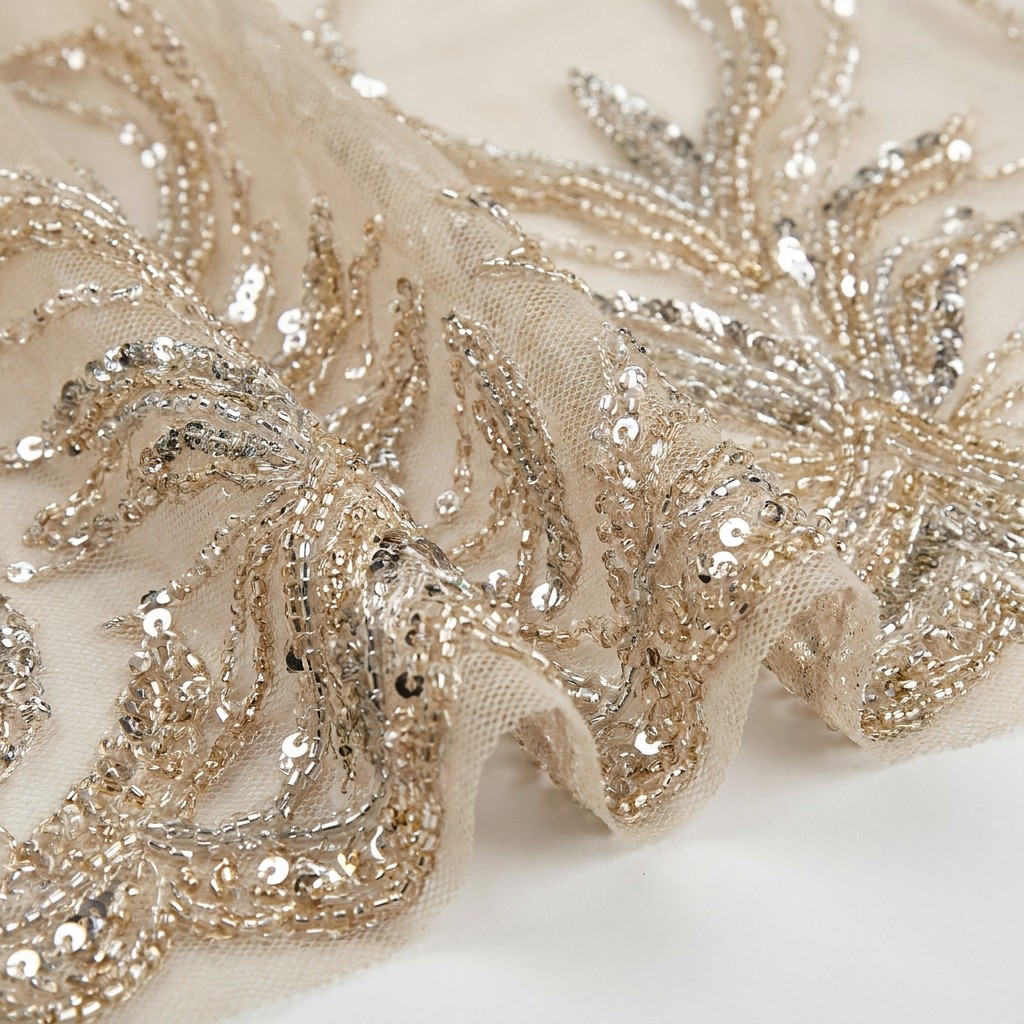
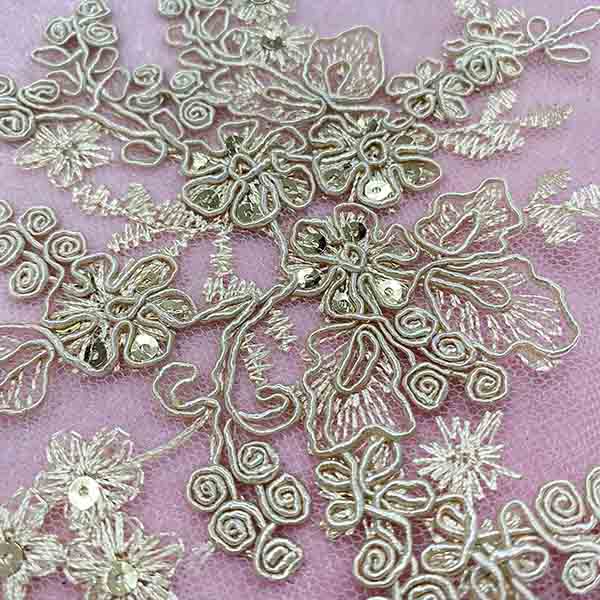
2. 3D Sequin Overlay Embroidery — Hybrid: puff embroidery layered with sequin elements for multi-texture effect. Best for partywear, carnival costumes, statement accessories.
3. Embossed Heat-Press 3D — Pressure and heat on thermoplastic yarns create raised patterns without foam. Best for high-volume home textile.
Why Factory-Direct Wins
3D embroidery requires dedicated digitizing expertise, machine-grade EVA foam (95%+ compression recovery), and multi-head consistency calibrated every 48 hours. At Yunfan Textile, from 500m trial to 20,000m production, every meter meets the same spec.
Sourcing Checklist
- Foam thickness options: 2mm, 4mm, 6mm?
- Stitch density guarantee in spec sheet?
- Foam compression recovery data?
- Multi-head QA calibration frequency?
- Pre-production strike-off and retained approval sample?
Ready to add depth to your next collection? Visit Yunfan Textile to request your free 3D embroidery swatch kit.
Looking to source these fabrics?
Yunfan Textile specializes in the industrial-grade manufacturing of the textiles described in this guide. For secure global shipping and Trade Assurance protection, please visit our official storefront.
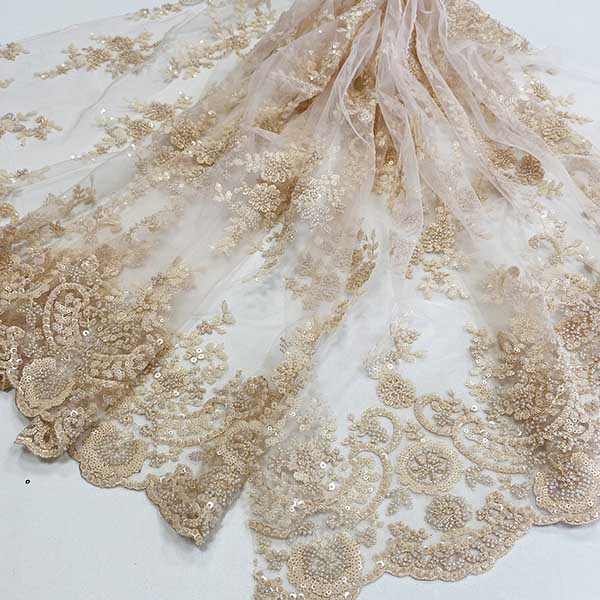
Sourcing premium embroidery fabrics for luxury bridal or high-end fashion collections requires a deep focus on texture complexity and fiber strength. Our 3D Embroidery and Tulle Lace fabrics are developed using multi-head precision machinery, allowing for intricate floral patterns and beaded embellishments that maintain structural integrity during bulk production. For sourcing managers looking to optimize their supply chain, we provide comprehensive laboratory reports on color fastness and thread durability. Explore our [Bridal Embroidery Collection](https://www.yunfantextile.com/product-category/embroidery-fabric/) to find the perfect base for your next masterpiece. We facilitate all global transactions through Alibaba Trade Assurance, ensuring a secure and transparent procurement process from sample development to sea freight delivery. Don't leave your quality to chance; [Request Free Swatches](https://www.yunfantextile.com/contact-us/) now to verify our craftsmanship before placing your seasonal order.
Contact Yunfan Textile for B2B Sourcing
🌐 Website: https://www.yunfantextile.com/
📌 B2B Contact: Jessie wendy
📱 WhatsApp/WeChat: +86 175 1619 6727 / +86 156 3752 5803
📧 Email: jessie@yunfantextile.com
📧 Email: wendy@yunfantextile.com