# Safety Without Compromise: The Future of Luxury Flame Retardant Textiles (2026)
In the contract textile sector—covering hotels, theaters, hospitals, and public buildings—fire safety is not a choice; it is a legal mandate. However, for years, the trade-off for Flame Retardant (FR) fabrics was a stiff hand-feel and limited aesthetic options. As we enter the 2026 design season, this compromise is a thing of the past. High-performance FR textiles now offer the same luxury, drape, and intricate embroidery as their non-FR counterparts.
At Yunfan Textile, we specialize in "Safety Meets Luxury." Based in Keqiao, we provide B2B wholesale buyers with fabrics that meet the world's most stringent fire safety standards without sacrificing the high-end aesthetic your clients demand.
## Understanding FR: Inherently FR vs. Treated FR
When sourcing flame retardant fabrics, the first technical distinction to understand is how the fire resistance is achieved.
### 1. Inherently Flame Retardant (IFR)
IFR fabrics are made from fibers that are naturally resistant to fire, such as Trevira CS or specially modified polyester. The flame retardancy is built into the molecular structure of the fiber.
The Benefit: The FR properties will never wash out or wear off. These are ideal for hospitality curtains and bedding that undergo frequent laundering.
### 2. Topically Treated FR
These are standard fabrics that have been coated or dipped in a flame-retardant chemical after they are woven or embroidered.
The Benefit: This is often more cost-effective and can be applied to a wider range of natural fiber blends. However, the protection can diminish over time with cleaning.
## Global Standards: Navigating the Acronyms
For a B2B buyer, ensuring your supplier understands regional safety codes is vital to avoiding customs issues and liability.
* USA: NFPA 701 (for curtains/drapery) and CAL 117 (for upholstery).
* UK: BS 5852 (the "Crib 5" test for upholstery) and BS 5867 (for curtains).
* Europe: EN 13773 (for curtains) and EN 1021-1/2 (for upholstery).
* China: GB 8624.
At Yunfan Textile, we maintain a library of test reports from accredited third-party labs (like SGS or Intertek) for our core collections, ensuring your projects are compliant from day one.
## Design Innovation: FR Embroidery and Sheers
Historically, it was difficult to find complex embroidery that was also fire-rated because the embroidery threads themselves acted as a "wick" for flames.
Yunfan's 2026 Breakthrough:
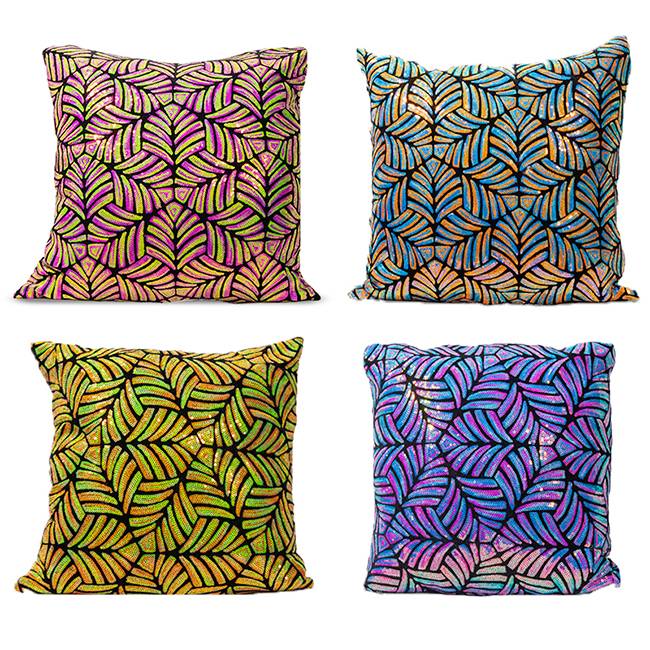
We have developed a range of IFR Embroidery Threads that allow us to apply our signature intricate patterns to FR base fabrics. Whether it's our "Liquid Metal" foil embroidery or delicate 3D floral lace, we can now offer these in fully certified FR versions for the contract market.
## Sustainability and FR Chemicals
The industry is moving away from halogenated flame retardants (which can be toxic and persistent in the environment). In 2026, the focus is on Halogen-Free FR solutions.
Yunfan is at the forefront of this shift, sourcing phosphorus-based FR treatments and inherently FR fibers that comply with REACH and OEKO-TEX Standard 100, ensuring that "safe from fire" also means "safe for the skin and the planet."
## Conclusion: Partnering with an FR Specialist
Fire safety is a technical field that requires a high level of trust between the buyer and the manufacturer. A 15-year legacy in the Keqiao textile market has given Yunfan Textile the expertise to navigate these complexities on your behalf.
Do you have an upcoming hotel or commercial project with specific FR requirements?
Contact our contract division at Yunfan Textile (https://www.yunfantextile.com/) for a technical consultation. We can provide sample hangings for your own lab testing or provide our certified reports for your specification folders.