# Nature Indoors: The Evolution of Biophilic Design in Commercial Interiors (2026)
As we look toward the design landscape of 2026, one philosophy has moved from a niche trend to a fundamental requirement in commercial architecture: Biophilic Design. This approach, which seeks to connect building occupants more closely to nature, is fundamentally reshaping the textile industry. For B2B buyers and interior designers, biophilic textiles are no longer just about "floral prints"; they are about high-performance materials that evoke the tactile and visual patterns of the natural world.
At Yunfan Textile, we have integrated biophilic principles into our SS26 and AW26/27 collections, focusing on how fabric texture and organic geometry can improve well-being in corporate, hospitality, and healthcare environments.
## Beyond Greenery: The Multi-Sensory Approach
Biophilic design in 2026 has evolved beyond the "living wall." Designers are now looking for Non-Rhythmic Sensory Stimuli—subtle, unpredictable textures that mimic the complexity of nature.
### 1. Fractal Patterns and Organic Geometry
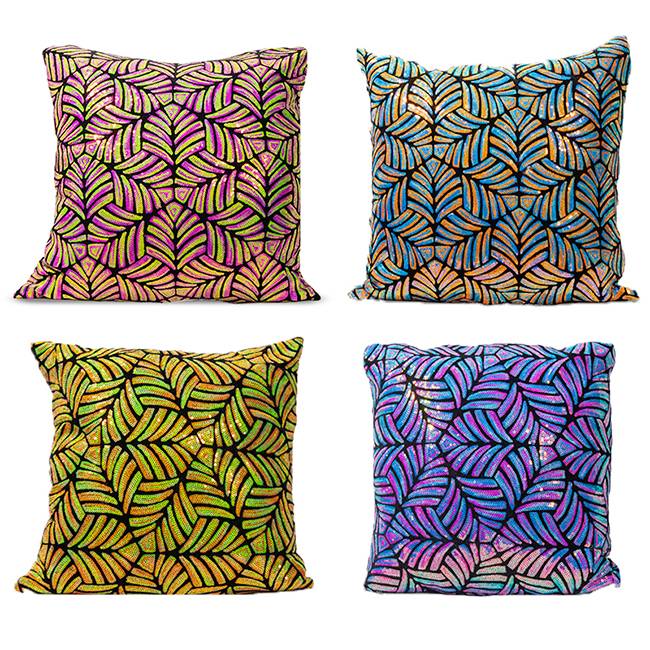
Nature is rarely symmetrical. Our new embroidery collections utilize "fractal" logic—complex, self-similar patterns found in leaves, snowflakes, and river systems. Unlike rigid geometric repeats, these patterns reduce stress and mental fatigue in office environments.
### 2. The Tactile Connection
Biophilia is as much about touch as it is about sight. At Yunfan, we are developing "Nature-Mimicry" fabrics. This includes:
* Bark-Textured Jacquards: Heavy-duty upholstery fabrics that mimic the rugged but organized texture of tree bark.
* Moss-Soft Chenille: Fabrics that provide the acoustic dampening and visual softness of forest floor moss.
## The Technical Side of Biophilic Textiles
For commercial interiors, nature-inspired beauty must meet industrial-grade performance. A biophilic fabric in a hotel lobby must still pass the Martindale rub test and fire safety certifications.
### Sustainable Materiality
A core pillar of biophilia is authenticity. Using synthetic materials to mimic nature can feel counterproductive. This is why Yunfan is pivoting toward Bio-Based and Recycled Fibers.
* RPET Organza: Utilizing ocean-bound plastics to create sheer, light-diffusing fabrics that mimic the translucency of dragonfly wings.
* Natural-Synthetic Blends: Combining the durability of polyester with the irregular, organic hand-feel of linen and silk.
## Biophilia in the Workspace: Boosting Productivity
The ROI of biophilic design is well-documented. Spaces with natural elements see an 8% increase in productivity and a 13% increase in reported well-being. For the B2B wholesale market, this translates to a surge in demand for Acoustic Textiles.
Our biophilic-inspired heavy embroideries and multi-layered sheer fabrics are designed not just for aesthetics, but for sound absorption. In open-plan offices, these textiles act as soft partitions, bringing both visual calm and acoustic privacy.
## Color Palettes for 2026: The "Earth-Core" Collection
Moving away from the bright, artificial greens of the past, 2026 is seeing a shift toward "Earth-Core" tones:
* Terracotta and Clay: Grounding colors for hospitality.
* Sage and Deep Forest: Calming tones for healthcare and recovery spaces.
* Oxidized Minerals: Metallic accents (using our signature Foil Embroidery) that mimic the veins of natural stone and ore.
## Conclusion: Designing for Human Nature
The success of a commercial project in 2026 will be measured by its impact on the human experience. Biophilic design is the bridge between the built environment and our biological need for nature. At Yunfan Textile, we provide the materials that build that bridge.
Ready to bring the liquid metal trend to your brand?
Contact our engineering team at Yunfan Textile (https://www.yunfantextile.com/) for a technical specification sheet and a custom sample kit tailored to your market.