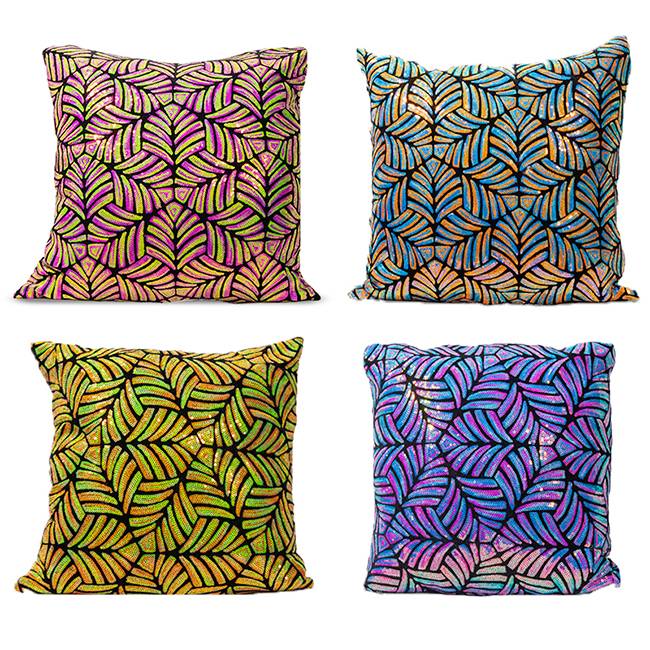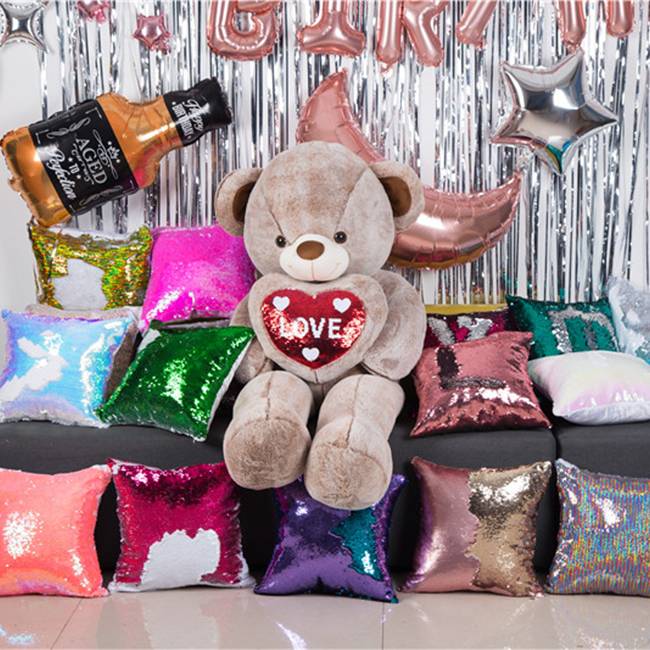
The global textile industry is undergoing a fundamental transformation. As sustainability mandates tighten across the European Union and North American markets, B2B fabric sourcing is no longer just about price and delivery—it is about responsible innovation. For wholesale buyers and fashion brands sourcing sequin and embroidery fabrics, the question in 2026 is no longer "can I find it?" but "can I find it sustainably?"
The Sustainability Imperative in Decorative Textiles
Sequin fabrics have long been associated with excess—glitter that sheds, polyester that persists, and production processes that prioritize visual impact over environmental responsibility. But the landscape is changing rapidly. The EU's Digital Product Passport (DPP) regulation, effective from 2027, requires full traceability of textile composition, origin, and environmental impact. Smart buyers are already adapting their sourcing criteria to stay ahead.
At Yunfan Textile, our 15 years of factory experience in Shaoxing's Keqiao textile hub have taught us that sustainability and spectacle are not mutually exclusive. The key lies in material engineering and process transparency.
Three Sustainable Sequin Innovations Defining 2026
1. Biodegradable Sequin Substrates
Traditional sequin fabrics use 100% virgin polyester mesh as the base—a material that takes 200+ years to decompose. The industry shift toward biodegradable sequin substrates uses modified PET blends that maintain the same stretch, drape, and shimmer retention while breaking down within 3-5 years under industrial composting conditions. For B2B buyers targeting eco-conscious European retailers, this is the fastest path to compliance with upcoming circular economy regulations.
2. Recycled Content Sequin Embroidery
The most impactful sustainability metric in 2026 is recycled content percentage. Our R&D team has developed sequin embroidery constructions using rPET (recycled polyethylene terephthalate) mesh bases combined with post-industrial recycled sequin discs. These fabrics achieve 40-60% recycled content without sacrificing the 4-way stretch, colorfastness, or sequin adhesion that global brands demand. The tactile quality is indistinguishable from virgin-material equivalents—a critical factor for buyer acceptance at the retail level.
3. Low-Impact Dyeing and Waterless Finishing
Conventional sequin fabric dyeing consumes 50-100 liters of water per kilogram of fabric. Our facility has transitioned 30% of our production lines to digital printing and solution dyeing, which reduces water consumption by up to 90% and eliminates harmful discharge. For wholesale buyers who need to document their supply chain's environmental footprint, this represents a verifiable, quantifiable improvement.
Why Yunfan Textile: Verified Sustainability with Proven Quality
Sustainability claims without proof are exactly the kind of "misrepresentation" that regulators and discerning buyers reject. Yunfan Textile approaches eco-innovation differently:
- Material Traceability: Every batch of our sustainable sequin fabrics comes with documented composition data—recycled content percentage, substrate type, and dyeing method.
- Low-MOQ Prototyping: We enable brands to test sustainable variants without committing to large volumes, reducing waste in the sampling phase itself.
- Vertical Integration: From yarn sourcing to finished fabric, our in-house production ensures every step meets consistent quality and environmental standards.
Our existing global client base—including buyers from the US, UK, France, and Germany—has already validated that sustainable sequin fabric performs at the same commercial standard as conventional alternatives. The shift is not a compromise; it is an upgrade.
Practical Sourcing Advice for 2026 Buyers
As you plan your next fabric procurement cycle, consider these actionable steps:
- Request recycled content documentation upfront—do not accept vague "eco-friendly" claims without verified percentages.
- Test biodegradable substrates alongside your conventional materials—start with free swatch samples before committing to bulk orders.
- Align your product descriptions with DPP requirements now—include GSM, composition, and origin data in your technical specifications.
- Evaluate total cost of ownership: sustainable fabrics may carry a 5-10% premium, but compliance penalties and brand reputation damage from unsustainable sourcing can cost far more.
Conclusion: The Future of Sequin Fabric Is Responsible
The decorative textile market is not shrinking—it is evolving. Brands that source sustainable sequin and embroidery fabrics today will be the ones that dominate shelves and digital storefronts tomorrow. The visual appeal of sequin fabric remains unmatched; what is changing is the story behind the shimmer.
Yunfan Textile invites wholesale buyers, sourcing managers, and brand designers to experience our sustainable sequin collection firsthand. Request your free swatch book today and see how eco-innovation looks when it truly shines.
Visit www.yunfantextile.com to explore our full range of sustainable sequin, embroidery, and decorative textile solutions.