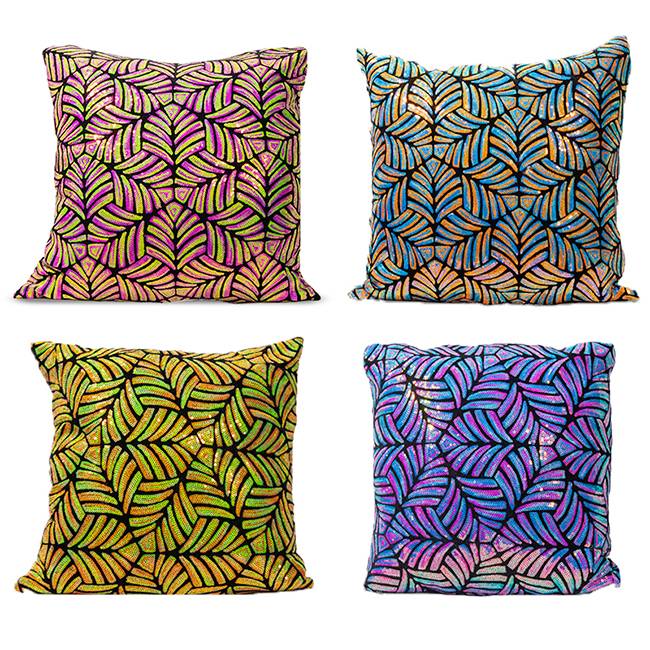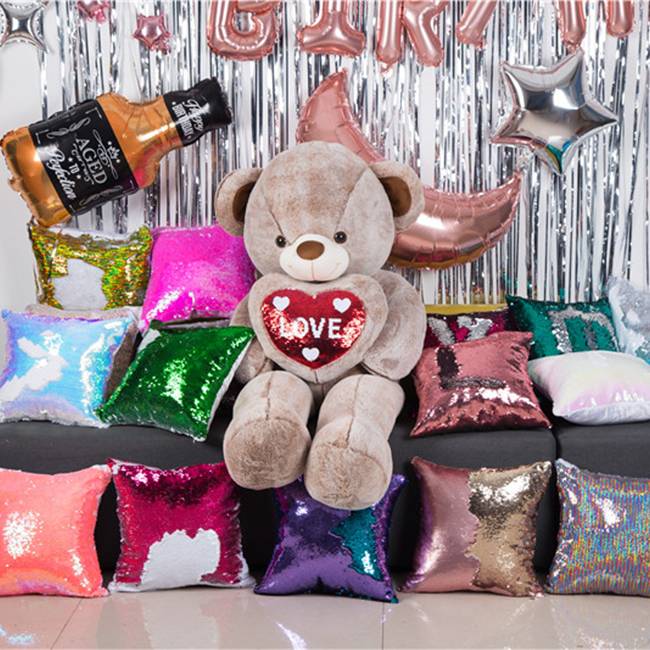
For fashion brands, costume suppliers, event decorators and textile wholesalers, sequin size and surface density are production decisions—not just visual preferences. A 3mm sequin can create a refined, flexible surface, while a larger sequin delivers stronger stage impact but may change cutting, sewing and packing requirements. Choosing the wrong combination can lead to excess weight, unstable drape, uneven shine or higher material waste in bulk production.
In the current wholesale market, buyers are asking for more than a glittering sample. They want a clear specification that can be repeated across rolls and seasonal replenishment orders. The most reliable approach is to compare sequin diameter, spacing, base fabric, end use and quality controls together.
1. Match sequin size to the application
Small sequins, such as 3mm options, are useful when a buyer needs a smoother surface, lighter hand feel or more discreet shimmer. They can suit eveningwear, bridal overlays, fitted garments and detailed embroidery effects. Smaller pieces usually require careful stitch control because irregular spacing is easier to notice across a continuous surface.
Medium sizes offer a practical balance for wholesale programs. They provide visible sparkle without making the fabric excessively heavy, which is helpful for dresses, dancewear panels, fashion accessories and decorative products. Buyers should still confirm the usable width and the direction of the sequin layout before approving a production sample.
Large sequins create a bolder reflection and are often selected for stage costumes, statement garments, event backdrops and feature panels. Their larger surface can increase the visual effect, but it may also affect folding, cutting and seam handling. A stable base fabric becomes more important as the embellishment becomes heavier or more dimensional.
2. Density affects weight, cost and performance
High-density sequin fabric produces a fuller, more continuous shine, but it may increase fabric weight and consumption. For a backdrop or luxury event installation, that visual coverage may justify the additional material. For apparel, however, buyers should evaluate whether the garment remains comfortable, flexible and easy to sew.
Lower-density layouts can reduce weight and allow the base fabric or embroidery pattern to remain visible. This is useful for layered designs, floral motifs and custom patterns where the buyer wants contrast between the ground fabric and the reflective surface. Density should therefore be specified as part of the design brief rather than described only with words such as "heavy sparkle."
3. Build a buyer-side quality checklist
Before placing a bulk order, request a physical swatch and record the exact sequin diameter, shape, spacing, base composition, GSM, usable width and color reference. Check the sample under daylight and indoor lighting. Gently bend and rub the surface to identify loose sequins, open stitches or coating changes. For stretch products, test recovery after repeated extension. For patterned fabrics, check repeat alignment across the full usable width.
Ask the supplier how the approved sample will be controlled during bulk production. Shade bands, roll references, pre-production approval and final inspection records can help reduce color drift and density variation. These controls are especially important when the same fabric will be reordered for a collection or distributed to multiple production sites.
4. Compare options before scaling
Buyers can review the broader Sequin Fabric category, compare a compact 3mm sequin fabric, evaluate a patterned flora embroidery sequin fabric, and consider a dimensional 3D embroidery fabric. These comparisons help clarify how size, density and construction change the final result.
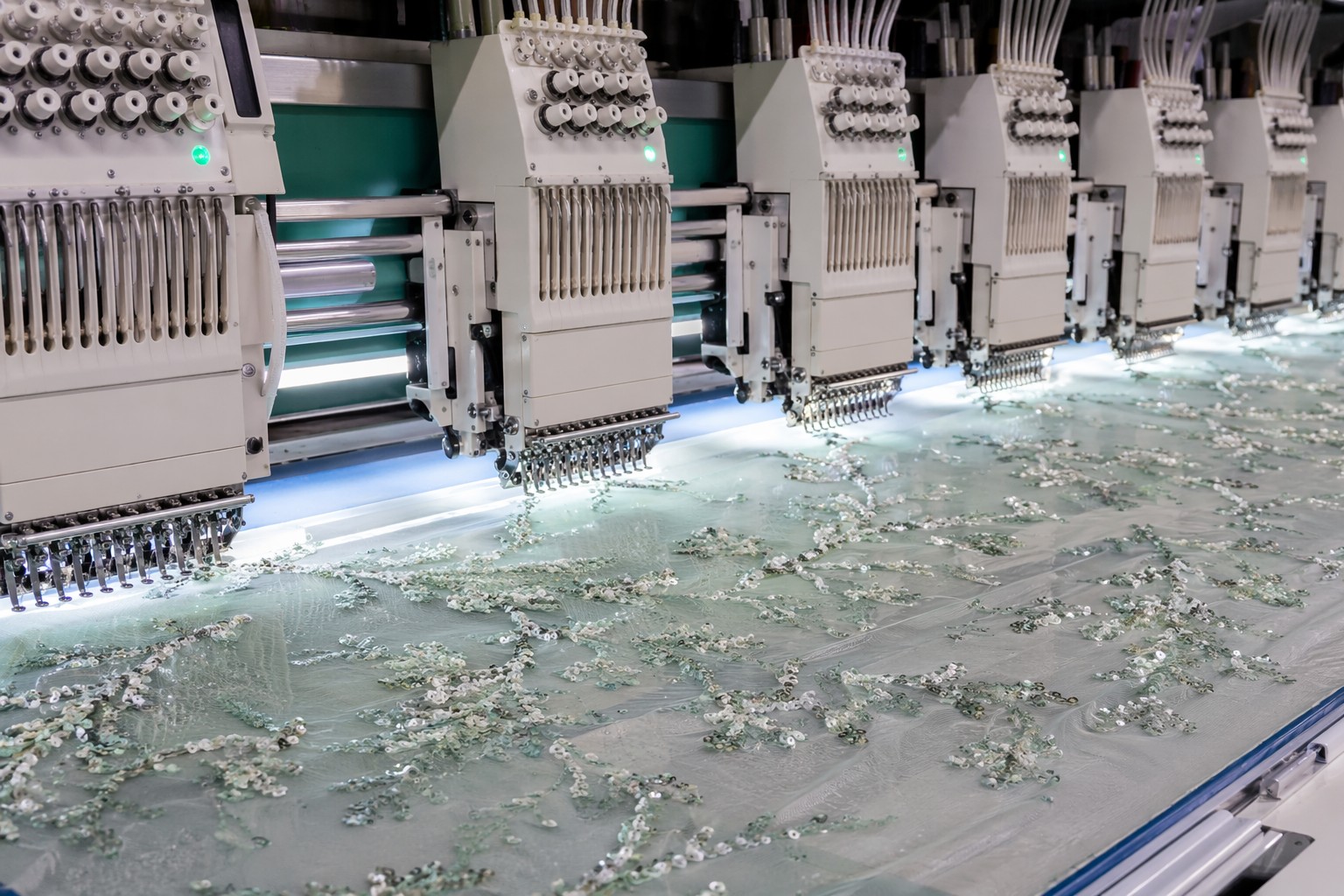
A factory-direct partner should be able to adjust color, sequin size, stitch density, base fabric and packing requirements as one coordinated specification. This reduces communication gaps between sampling and bulk production and makes lead-time planning more realistic.
Conclusion: approve the specification, not only the sparkle
The best wholesale sequin fabric is the one whose visual effect, weight, durability and production behavior match the intended application. Smaller sequins can support refined and flexible designs; larger sequins can create stronger impact; density determines how the surface performs in real use. Sample testing and written specifications are the safest path before scaling a custom order.
To request fabric samples or discuss a custom program, visit Contact Us / Request Free Swatches. For a secure purchasing route, visit the Yunfan Textile Alibaba Gold Supplier store with Trade Assurance.
Keywords: sequin fabric wholesale, sequin size guide, sequin density, custom sequin fabric, bulk fabric quality control, sequin fabric manufacturer.