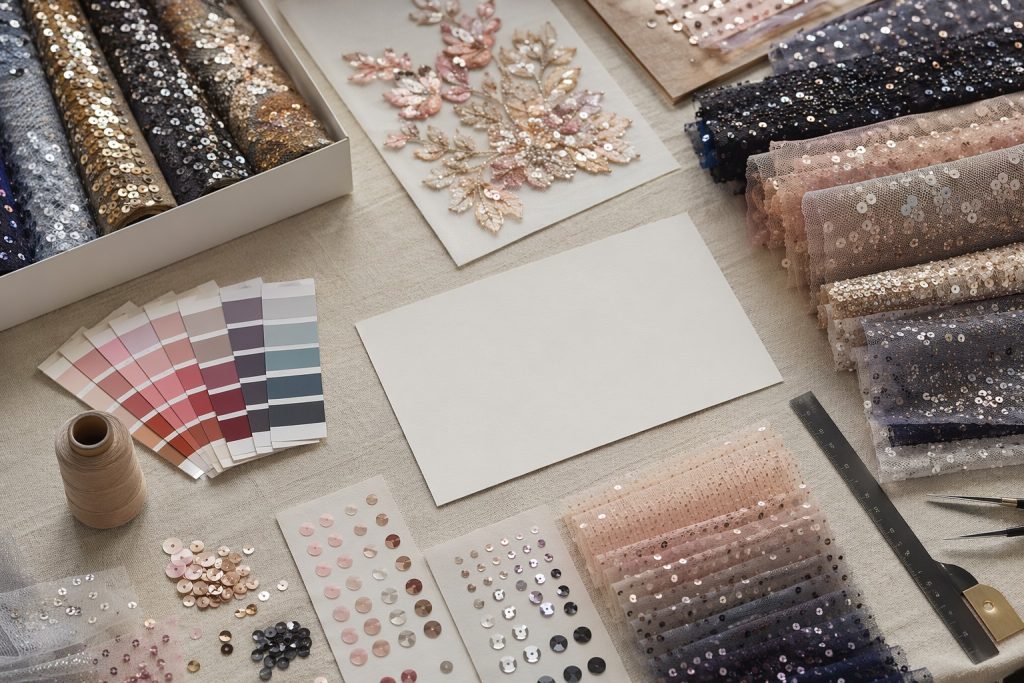
Custom Sequin Fabric Brief: What B2B Buyers Should Send a Factory Before Sampling
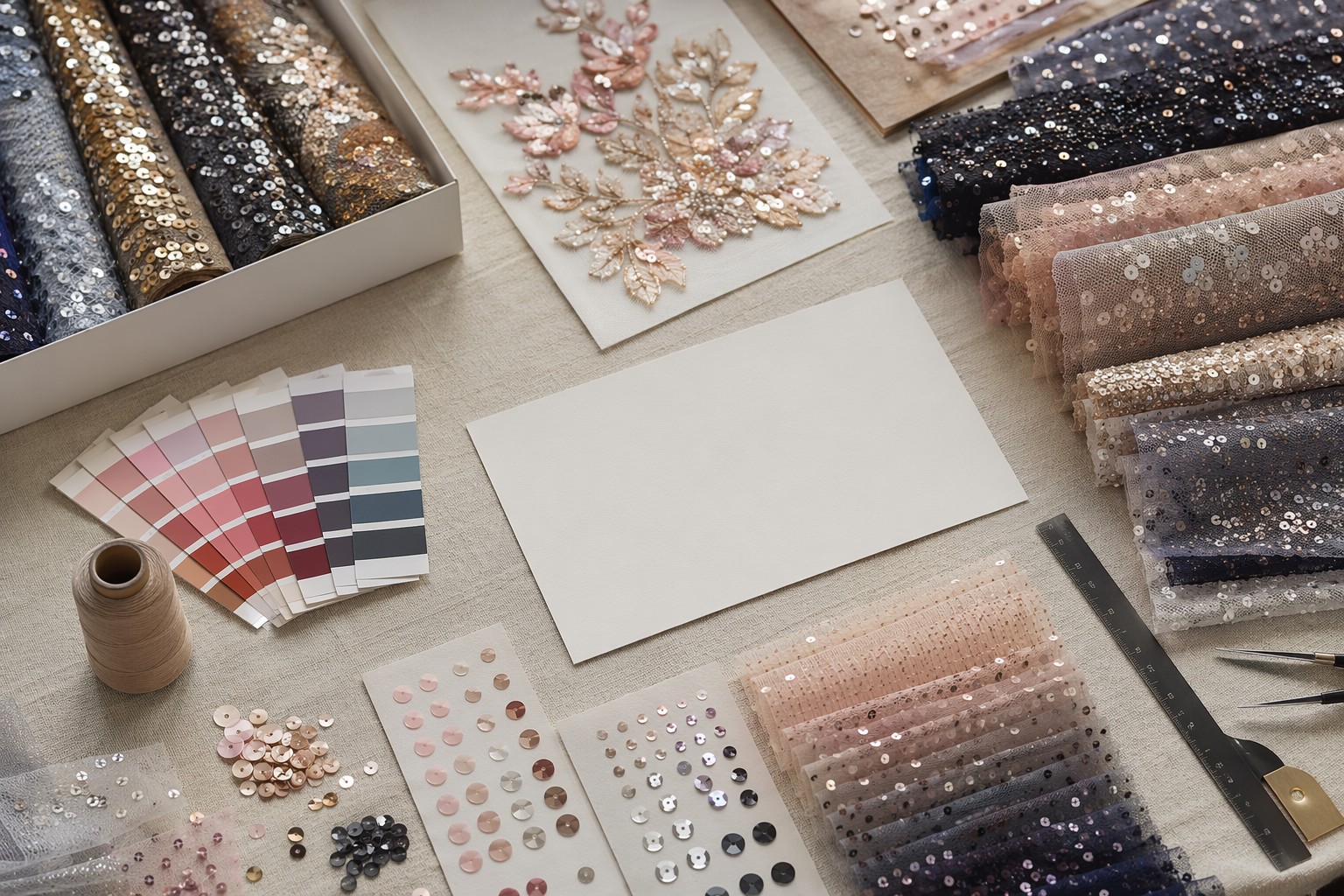
When a fashion brand asks for custom sequin fabric, the first sample is only as good as the information sent to the factory. Messages such as “make it more sparkling” or “use a soft mesh” may describe a creative direction, but they are not enough for accurate sampling, quotation or bulk planning. A professional B2B sourcing brief turns an idea into measurable production requirements.
For overseas buyers, this is especially important when working across time zones and languages. A clear brief reduces repeated questions, prevents unsuitable samples and helps a source factory evaluate the project before committing to development. Yunfan Textile uses this information to connect design intent with practical choices in sequin size, base fabric, color, embroidery method and order quantity.
1. Start with the final application
The factory needs to know where the fabric will be used. Evening dresses, bridal overlays, dancewear, stage costumes, event backdrops and accessories do not require the same construction. A fitted performance garment may need stretch mesh and strong recovery. A bridal overlay may prioritize soft drape and low weight. A backdrop may need high visual coverage and stable width rather than body comfort.
Include the product type, target customer, expected use conditions and whether the fabric will be lined, cut into panels, sewn at high-tension seams or exposed to repeated movement. This helps the factory recommend a base that fits the application rather than simply copying a reference photo.
2. Specify sequin size, shape and density
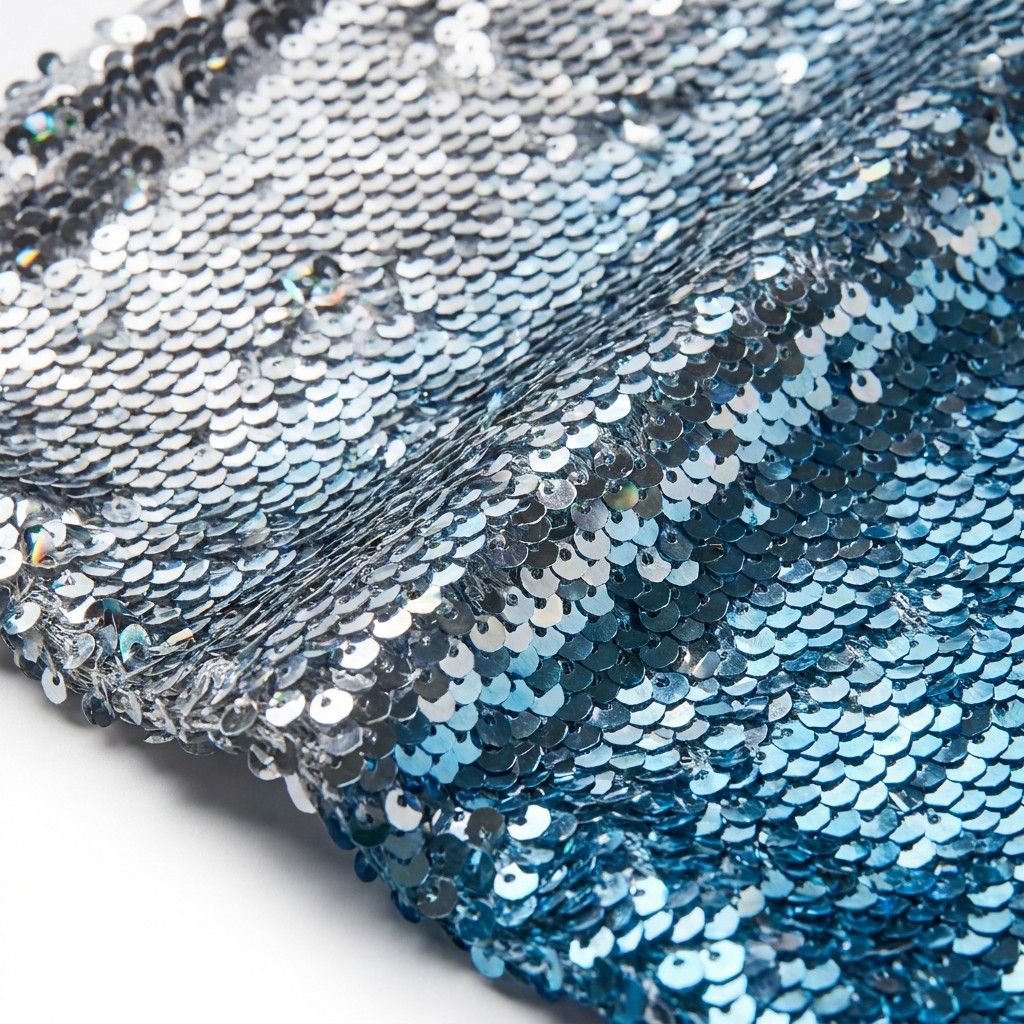
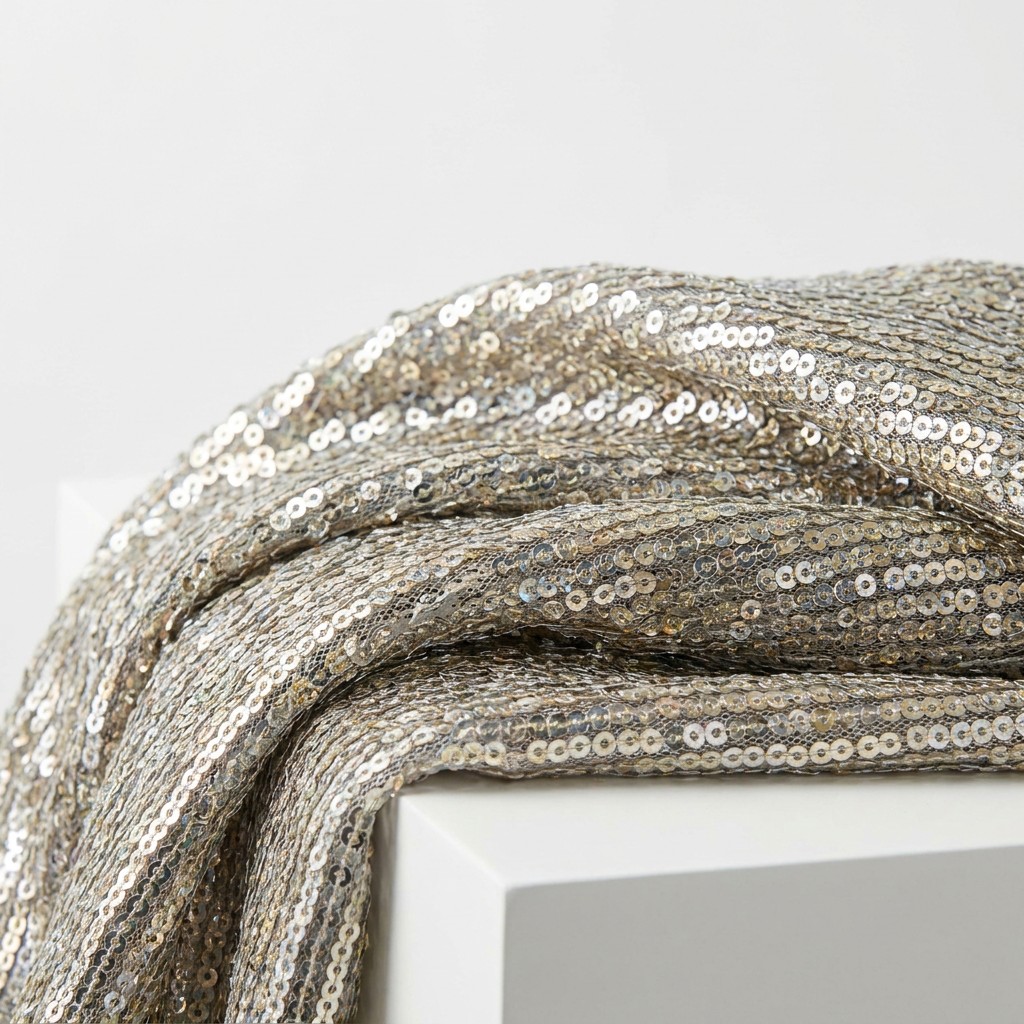
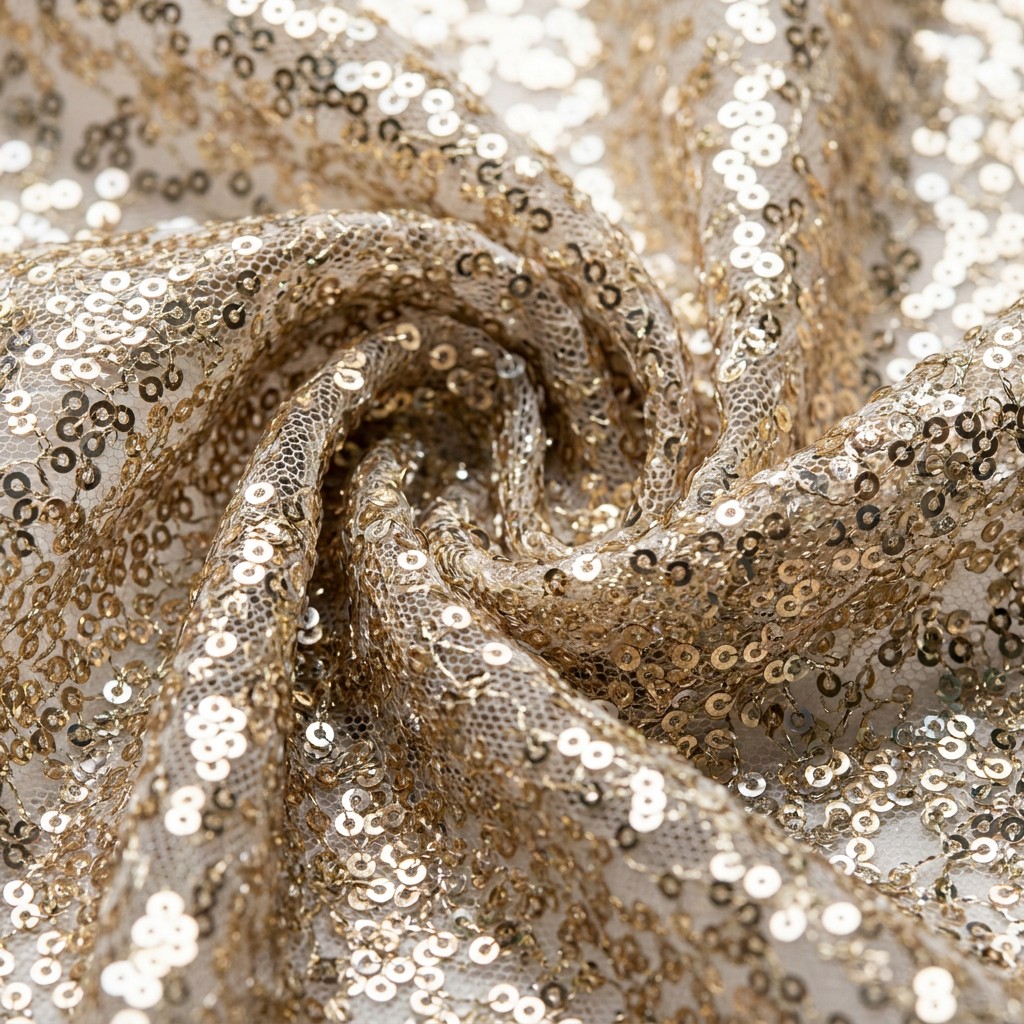
Sequin size changes the appearance, weight and cost of the fabric. Smaller sequins create a refined continuous shimmer and are often suitable for bridalwear or close-fitting fashion. Medium sizes offer a practical balance for wholesale dresses, dancewear and decorative panels. Larger paillettes create stronger light reflection for stagewear, event decoration and statement garments.
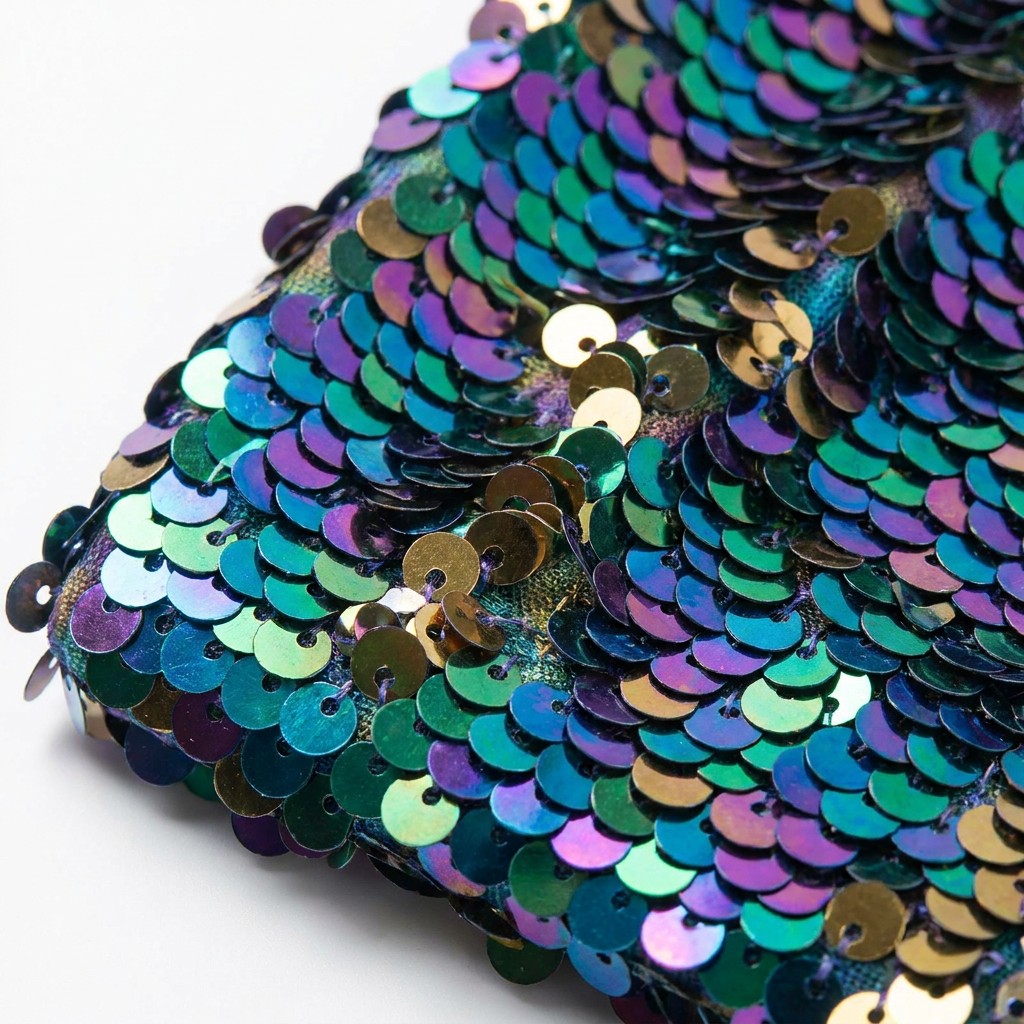
Your brief should state the preferred size range, finish and density. If the exact size is not confirmed, ask the factory to prepare two or three comparison swatches. Mention whether the desired surface should be tonal, holographic, iridescent, matte or metallic. A comparison set is usually more useful than a single sample based on an unclear description.
3. Describe the base fabric precisely
“Mesh” can refer to several different materials. Buyers should specify whether they need fine mesh, tulle, stretch mesh, velvet-backed fabric or another base. Include the required hand feel, transparency, stretch direction, recovery, weight and target width if known.
For dancewear and fitted garments, explain whether the fabric must stretch in one direction or across the width and length. For bridal or eveningwear, describe the desired drape and whether the final garment will include a lining. For decorative use, confirm whether the fabric needs a stable edge and repeatable roll width.
4. Send a color and reference standard
Color names are not always consistent between buyers and suppliers. “Champagne,” “rose gold,” “old gold” and “silver” can represent several different tones under different lighting. Whenever possible, send a physical swatch, Pantone reference, approved image or color comparison target.
State whether the color must match the base fabric, thread and sequins as one coordinated surface. For gradient or color-changing designs, explain the direction of the effect and provide a reference layout. This gives the factory a stronger basis for sample approval and later bulk color control.
5. Include quantity, MOQ and timing
A factory cannot provide a useful quotation without an estimated quantity. Even a preliminary range is helpful: sample only, 100-500 meters, 1,000 meters or a larger seasonal program. Mention whether the order is a one-time project or a repeat collection.
Also separate the required dates. Sample deadline, sample approval date, bulk production deadline and shipping deadline are different milestones. If the project has a fixed launch date, say so at the beginning. Yunfan Textile can then assess sampling complexity, material availability and production sequencing more realistically.
6. Ask for the right sample package
For a custom sequin fabric project, request more than a small color chip. A useful sample package may include a hand-feel swatch, a larger cutting sample, a close-up photo, width information and notes on the base fabric. For stretch materials, test the fabric in the direction in which it will be used. For embroidery, inspect the motif repeat and edge behavior.
Why work with Yunfan Textile?
Yunfan Textile is a Keqiao-based source factory specializing in sequin, embroidery, mesh and decorative fabrics for global B2B buyers. We support custom development by connecting the buyer’s design brief with material selection, sample communication, production feasibility and bulk quality planning.
Related sourcing resources
Planning a hotel, wedding or event backdrop project?
Send your venue application, target area, preferred color, quantity and deadline. We can recommend swatches and wholesale sequin fabric options.
Contact Yunfan Textile for B2B Sourcing
🌐 Website: https://www.yunfantextile.com/
📌 B2B Contact: Jessie wendy
📱 WhatsApp/WeChat: +86 175 1619 6727 / +86 156 3752 5803
📧 Email: morris@yunfantextile.com
📧 Email: morris@yunfantextile.com