Introduction
The global textile industry is entering a new era of decorative innovation, driven by a fusion of high-technology and artisanal heritage. As we approach 2026, the demand for intricate, high-quality decorative fabrics is reaching unprecedented levels across international markets. Sequin and embroidery fabrics, long synonymous with high-end evening wear and bridal couture, are now being reimagined for a significantly broader range of applications. From everyday "casual-glam" streetwear to high-concept interior design and luxury event planning, these textiles are becoming versatile staples. This evolution is being fueled by rapid technological advancements in manufacturing, a profound shift in consumer consciousness toward environmental sustainability, and a renewed appreciation for tactile, multidimensional artistry. For businesses involved in Wholesale Sequin Fabric and decorative textiles, understanding the 2026 Fabric Trends is no longer optional—it is a cornerstone of strategic survival. This guide delves into the core trends shaping the industry and provides actionable advice for Bulk Textile Sourcing from a leading Embroidery Fabric Manufacturer China.
Trend 1: The Rise of Sustainable Materials and Ethical Production
One of the most profound and non-negotiable shifts in the textile world is the transition to eco-friendly decorative elements. In previous decades, sequin production was a significant contributor to microplastic waste, as traditional sequins were almost exclusively made from petroleum-based plastics. However, 2026 marks a definitive turning point in the industry's lifecycle. We are witnessing a massive influx of biodegradable sequins crafted from plant-based cellulose and recycled sequins derived from post-consumer plastic waste.
Leading Embroidery Fabric Manufacturer China facilities are at the absolute forefront of this green revolution. Many have overhauled their production lines to integrate recycled polyester (rPET) for the base mesh of sequin fabrics, ensuring that the entire textile—not just the decorative elements—adheres to sustainable standards. Furthermore, these manufacturers are adopting waterless or low-impact dyeing techniques for embroidery threads, significantly reducing the chemical footprint of the finishing process. For wholesale buyers, "sustainability" is transitioning from a marketing buzzword to a mandatory procurement requirement. Sourcing fabrics that carry verified certifications like the Global Recycled Standard (GRS), OEKO-TEX, or Bluesign is becoming a standard practice for brands aiming to meet the demands of an increasingly environmentally conscious global consumer base. In the market of 2026, the "green" choice is synonymous with the "premium" choice.
Trend 2: 3D Embroidery and Multidimensional Textures
In the visual landscape of 2026, texture is the new color. The industry is moving decisively away from flat, one-dimensional designs toward sculptural, multidimensional textiles that offer a physical presence. 3D embroidery techniques are leading this charge, providing a level of depth and luxury that digital prints or traditional flat stitching simply cannot replicate. This trend includes the sophisticated use of "puff" embroidery, where high-density foam inserts are used to create a raised, embossed effect, and complex laser-cut appliqué where contrasting fabric types—such as silk velvet, iridescent organza, and vegan leather—are layered and intricately stitched onto a base fabric.
These multidimensional textures provide a sensory experience that is vital for the modern luxury market. For designers, this means more opportunities to create "hero pieces" that command attention and justify premium price points. When engaging in Bulk Textile Sourcing, it is crucial to look for manufacturers that utilize the latest generation of multi-head computerized embroidery machines. These advanced systems are capable of combining different stitch types, needle sizes, and disparate materials in a single production pass. This technological capability allows for the high-volume production of incredibly intricate 3D designs, making high-end boutique aesthetics accessible at a wholesale scale for the first time.
Trend 3: Metallic and Iridescent Sequins with "Smart" Finishes
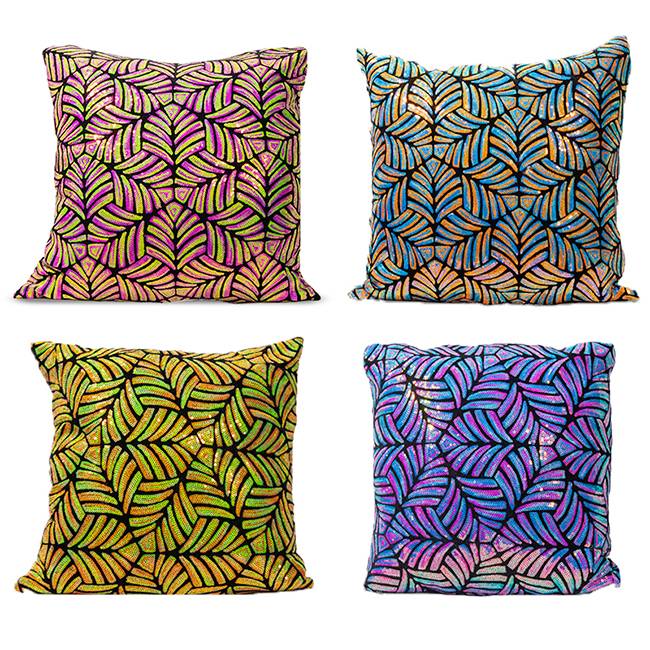
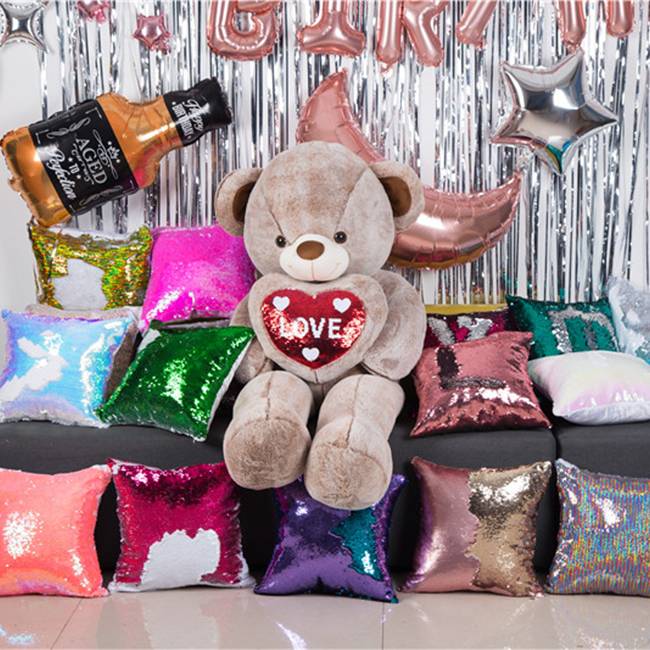
The "glitter" of the past is being replaced by the sophisticated "glow" of the future. The 2026 Fabric Trends highlight a distinct preference for subtle, high-tech light-play. Iridescent sequins that shift color based on the angle of light—often referred to as "oil slick," "chameleon," or "mermaid" finishes—remain highly popular but are being significantly refined for a more mature audience. The new wave of design includes "matte iridescent" finishes that offer a subtle, pearlescent sheen rather than a harsh, disco-ball reflection.
Furthermore, metallic sequins are being treated with "smart finishes" and specialized coatings that increase their resistance to tarnishing, scratching, and high-heat environments. This makes Wholesale Sequin Fabric far more durable and suitable for a wider variety of garments, including activewear and children's clothing that require more frequent laundering. We are also seeing the emergence of "mirrored" sequins that utilize ultra-thin film technology to be lighter in weight yet more reflective than traditional metal-coated plastics. This allows designers to create garments with heavy-duty shine without the physical weight that usually accompanies heavily embellished fabrics.
Trend 4: Technological Fusion—Laser Cutting and Hybrid Embroidery
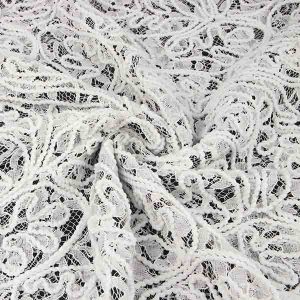
A sub-trend that is gaining massive momentum as we head into 2026 is the seamless fusion of laser technology with traditional embroidery techniques. By using high-precision lasers to cut intricate patterns out of a fabric before "re-assembling" them with embroidery, manufacturers can create "lace-like" effects that are both delicate in appearance and incredibly sturdy in structure. This hybrid technique is particularly effective for creating intricate borders, scalloped edges, and geometric cut-outs that would be prohibitively time-consuming if done by hand. In the high-speed production hubs of China, these techniques are now perfectly feasibility for mass production, allowing wholesalers to offer "hand-crafted" looks at industrial scales.
Strategic Sourcing Tips for Wholesale Buyers in 2026
- Prioritize Physical Prototyping: Given the complexity of 3D embroidery and the nuances of iridescent finishes, always request physical strike-offs and samples. A digital photo or video can never fully capture the way a 3D embroidery sits on the body or how a color-shifting sequin reacts to different lighting conditions.
- Evaluate Manufacturer Infrastructure: When selecting an Embroidery Fabric Manufacturer China, look beyond their current catalog. Assess their recent investments in R&D and new machinery. A manufacturer that is investing in laser-cutting and eco-friendly dyeing is more likely to be a reliable partner for future trends.
- Account for Extended Lead Times: High-tech, multi-layered fabrics take time to produce correctly. Ensure your sourcing calendar accounts for the intricate production processes involved in 3D and laser-cut textiles. What used to take two weeks might now take four to six weeks due to the complexity of the layering.
- Logistics and Rigorous Quality Control: Bulk textile sourcing involves significant logistical coordination across multiple borders. Partner with manufacturers who offer transparent tracking systems and rigorous, multi-stage quality control protocols. Consistency across thousands of yards is the ultimate test of a wholesale supplier's quality.
Conclusion
The evolution of sequin and embroidery fabrics is a powerful testament to the textile industry's unique ability to innovate while honoring its decorative traditions. As we look toward 2026, the successful wholesaler and designer will be the one who successfully balances aesthetic brilliance with sustainable practices and technological savvy. By staying informed about these global trends and building resilient relationships with top-tier manufacturers, businesses can ensure they are providing the fabrics that will define the next generation of global fashion. The future of decorative textiles is bright, multifaceted, and increasingly committed to the well-being of our planet.