Sequin fabric and glitter fabric are often confused — both create a shimmering, light-catching effect, and both are widely used in fashion, dancewear, and event decoration. But they are constructed very differently, perform differently in production, and are suited to different applications. Understanding the distinction helps designers and buyers choose the right material for each project.
What Is Sequin Fabric?
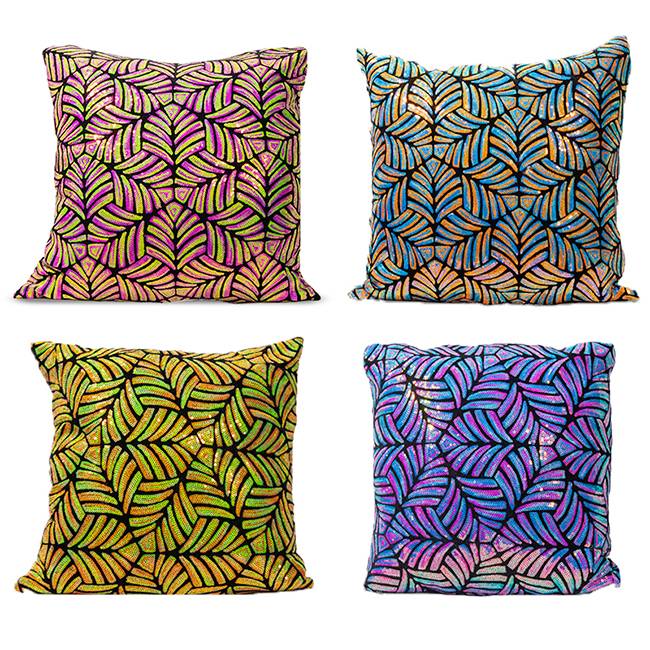
Sequin fabric is made by stitching or attaching small disc-shaped sequins (typically 3–10 mm in diameter) onto a base fabric — usually mesh, net, or knit. Each sequin is an individual piece of lightweight plastic or metal that reflects light from its flat surface.
Key characteristics of sequin fabric:
- Individual sequins are visible as distinct, separate elements
- Sequins move and shift as the fabric moves, creating dynamic light patterns
- Available in flat, cupped, holographic, and iridescent sequin finishes
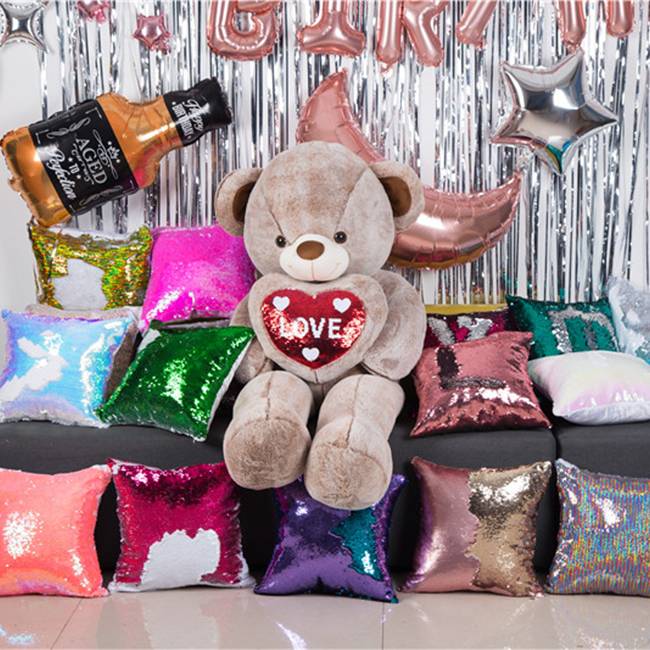
- Can be reversible — two-color sequins that flip direction when touched
- Heavier than glitter fabric due to the weight of individual sequins
- Cut edges require finishing to prevent sequins from detaching
What Is Glitter Fabric?
Glitter fabric (also called glitter mesh or sparkle fabric) is produced by bonding fine glitter particles — tiny metallic or holographic flakes — directly onto the surface of a base fabric using adhesive or heat bonding. The glitter is part of the fabric surface rather than individual attached pieces.
Key characteristics of glitter fabric:
- Uniform, all-over sparkle with no individual visible elements
- Lighter weight than sequin fabric — the glitter coating adds minimal bulk
- Less shimmer movement than sequin fabric — the surface is static
- More affordable than sequin fabric at comparable yardage
- Can shed glitter particles, especially when cut or worn against skin
- Less durable than sequin fabric for repeated washing
Side-by-Side Comparison
| Property | Sequin Fabric | Glitter Fabric |
|---|---|---|
| Visual effect | Individual discs, dynamic shimmer | Uniform sparkle, static surface |
| Weight | Heavier | Lighter |
| Price | Higher | Lower |
| Durability | More durable with proper care | Glitter sheds over time |
| Washability | Hand wash, gentle cycle | Hand wash only; glitter sheds in water |
| Sewing difficulty | Moderate — requires seam prep | Easy — sews like regular fabric |
| Stage visibility | Excellent — sequins reflect directionally | Good — uniform glow |
| Skin contact | Can scratch if not lined | Glitter transfer to skin |
Which One Should You Choose?
Choose Sequin Fabric When:
- Maximum visual impact is the priority — sequins catch and reflect light more dramatically than glitter
- The garment will be viewed from a distance (stage, runway, event)
- Longevity matters — sequin fabric holds up better across multiple wears and washes
- You want an interactive surface (reversible sequin fabric)
- The design requires specific sequin placement or pattern work
Choose Glitter Fabric When:
- Budget is a primary constraint — glitter fabric is significantly cheaper
- Weight is a concern — for lightweight overlays and children's costumes
- Sewing simplicity matters — glitter fabric requires no seam preparation
- The item is for single or limited use (party supplies, disposable decorations)
- A uniform, all-over sparkle is preferred over dynamic shimmer
Applications Overview
| Application | Better Choice |
|---|---|
| Evening gowns and formal wear | Sequin fabric |
| Stage and theater costumes | Sequin fabric |
| Children's party dresses | Glitter fabric (lighter, cheaper) |
| Wedding backdrops | Sequin fabric |
| Festival fashion | Either, depending on budget |
| Dance competition costumes | Sequin fabric |
| Craft projects | Glitter fabric |
Source Sequin Fabric Wholesale
Yunfan Textile manufactures wholesale sequin fabric in a wide range of types, sizes, and finishes. Contact us for samples and wholesale pricing.