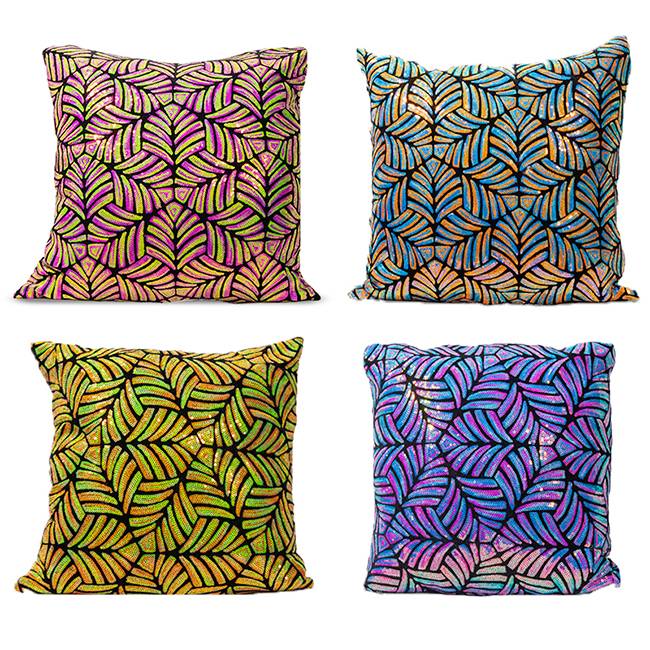
Sequin fabric is increasingly used in competitive swimwear, fashion swimwear, and performance dance costumes that require water resistance. The combination of shimmer and stretch makes sequin swimwear a standout category — but using sequin fabric in water-exposure applications requires specific material knowledge and sourcing decisions that standard sequin fabric guidelines do not cover.
Is Sequin Fabric Suitable for Swimwear?
Not all sequin fabric is appropriate for swimwear applications. Suitability depends on three factors: the base fabric composition, the sequin attachment method, and the sequin material itself.
Base Fabric
Swimwear requires a base fabric with:
- High stretch and recovery – typically 4-way stretch with at least 80% recovery after stretching
- Chlorine and saltwater resistance – standard polyester stretches are resistant to pool chemicals; nylon is more resistant than polyester to chlorine degradation over time
- Quick-dry properties – the base should not absorb and retain water
The best base fabrics for sequin swimwear are nylon-spandex (nylon/lycra, typically 80/20) or polyester-spandex blends. Cotton or viscose bases are not suitable for swimwear.
Sequin Material
Standard plastic (PVC) sequins are generally water-safe but may lose color saturation over extended chlorine exposure. Look for:
- Holographic sequins – the holographic coating on these sequins can degrade faster in chlorine than solid-color sequins
- Metallic-coated sequins – some metallic finishes oxidize or tarnish in saltwater
- Matte or solid color sequins – most durable in water environments
Sequin Attachment
Sequins must be securely attached to a stretch base without restricting the fabric's movement. Sequins on a rigid base fabric will cause the garment to pull and distort when worn. Look for sequin fabric where the base mesh stretches independently of the sequin layer, with the sequins attached loosely enough to accommodate movement.
Applications for Sequin Swimwear Fabric
Competitive Figure Skating and Ice Dance Costumes
One of the largest markets for sequin stretch fabric with water and perspiration exposure. Competition costumes require maximum shimmer for rink visibility combined with full range of motion. Nylon-spandex sequin mesh is the standard material.
Synchronized Swimming Costumes
Full water immersion requires sequin fabric to withstand repeated soaking and chlorine exposure. Purpose-made synchronized swimming sequin fabric uses reinforced attachment threads and chlorine-resistant sequin coatings.
Fashion Swimwear
Fashion-first swimwear using sequin panels for visual impact rather than athletic performance. In this category, occasional pool or ocean exposure is acceptable — the priority is appearance, not long-term chlorine resistance. Standard sequin stretch fabric on a nylon-spandex base performs adequately for fashion swimwear.
Dancewear with Water Exposure
Aerial dance, aquatic performance art, and certain stage productions involving water effects all require sequin fabric that tolerates moisture without significant degradation during the performance period.
Construction Tips for Sequin Swimwear
- Use a ballpoint or stretch needle (75/11 or 90/14) to avoid piercing or shattering sequins during sewing
- Sew with a narrow zigzag stitch (width 1.5–2 mm) rather than a straight stitch to maintain fabric stretch through the seam
- Remove sequins from seam allowances before sewing — hitting sequins breaks needles and damages machines
- Line all sequin panels with a smooth stretch fabric (powernet or spandex jersey) for comfort against skin
- Use a serger with woolly nylon thread for seam finishing — this maintains stretch while enclosing the sequin edge
Sourcing Sequin Fabric for Swimwear
Yunfan Textile supplies stretch sequin fabric suitable for dancewear and fashion swimwear applications, available in a range of base compositions and sequin finishes. Contact us to discuss your specific requirements and request samples.