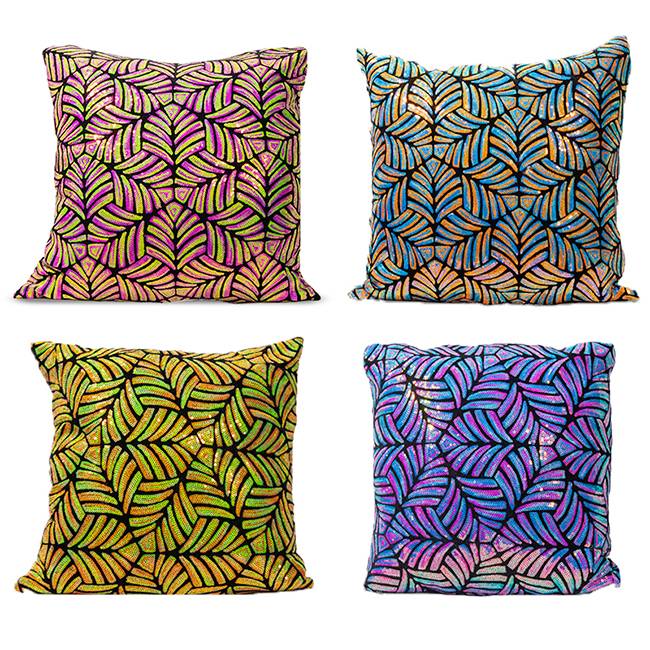
Sequin fabric is a defining material in eveningwear. From red carpet gowns to cocktail dresses and formal bridesmaid sets, sequin fabric creates the kind of visual drama that commands attention in any setting. For fashion brands, designers, and wholesale buyers sourcing for the eveningwear market, understanding the material options, design implications, and sourcing strategies for sequin fabric is essential to building a compelling and profitable collection.
Why Sequin Fabric Dominates Eveningwear
The core appeal of sequin fabric in eveningwear comes from its response to light. Under the low, warm lighting typical of evening events — restaurant dining rooms, hotel ballrooms, wedding receptions, theater lobbies — sequin fabric reflects and scatters light in a way that no printed or woven textile can replicate. The effect is amplified by movement: as the wearer walks, dances, or turns, the sequins shift and catch light from different angles, creating a continuously changing visual experience.
This light responsiveness makes sequin fabric effective across all eveningwear price points, from mass-market party dresses to couture-level gowns, because the material itself communicates glamour regardless of construction complexity.
Sequin Types for Evening Gowns
Flat Sequins (Standard)
The most widely used sequin type for eveningwear. Flat disc-shaped sequins in sizes from 3 mm to 6 mm, attached to a mesh or net base. Available in every color — gold, silver, black, ivory, navy, red, and custom colorways. The standard choice for full sequin evening gowns, cocktail dresses, and formal skirts.
Cupped Sequins
Slightly concave sequins that create a more dimensional surface than flat sequins. The curved shape catches and reflects light more directionally, creating a richer shimmer effect. Used in premium eveningwear where additional visual depth is desired. Slightly heavier than flat sequins of the same size.
Paillettes (Large Sequins)
Larger sequin discs (8–20 mm) used for bolder, more graphic effects. Paillettes move more freely than smaller sequins, creating an audible swishing sound that adds to the sensory experience. Used in statement pieces and fashion-forward eveningwear rather than classic formal styles.
Holographic and Iridescent Sequins
Sequins with a multi-color shifting surface that changes color with viewing angle and lighting conditions. Holographic sequins produce an intense, almost metallic rainbow effect under direct light. Iridescent sequins produce softer, more nuanced color shifts. Both are used in fashion-forward eveningwear and stage-performance gowns where maximum visual impact is the brief.
Reversible (Flip) Sequins
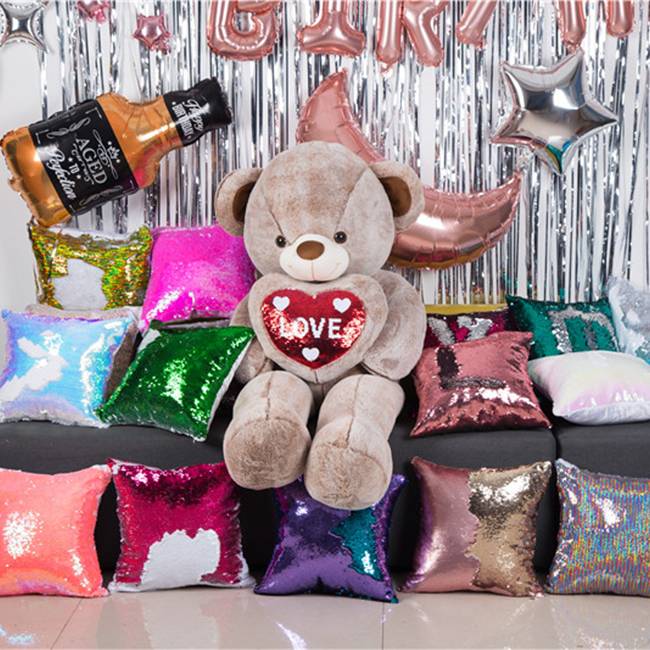
Two-sided sequins that can be brushed in either direction to reveal two different colors. In eveningwear, reversible sequin fabric is used for interactive, conversation-starting pieces — the wearer or guests can create patterns by touching the fabric. More common in contemporary and fashion-forward eveningwear than in classical formal styles.
Base Fabric Selection
The base fabric determines the drape, weight, and stretch of the finished garment. For evening gowns, the most important base fabric choices are:
- Mesh (non-stretch) – the most common base for formal gowns; provides structure and allows sequins to lie flat; best for column, A-line, and structured silhouettes
- Stretch mesh (nylon-spandex) – for body-conscious silhouettes that require movement; used in cocktail dresses, jumpsuits, and contemporary eveningwear
- Net or tulle base – lighter than mesh; creates a softer, more floating effect; used for overlay layers and skirt panels
Design and Construction Considerations
Lining
All sequin evening gowns require full lining. Sequins scratch skin on direct contact, and the mesh base fabric is not appropriate as a finished interior. Use a smooth, lightweight lining fabric (polyester charmeuse, silk, or polyester satin) cut to the same pattern pieces as the outer shell.
Seam Management
Remove sequins from all seam allowances before sewing. Sew through the cleared base fabric only — sewing through sequins breaks needles and produces uneven seam tension. Press seams from the wrong side only, using a pressing cloth; direct heat melts plastic sequins instantly.
Hem Finishing
Standard hem techniques (folded hems, serged edges) are difficult on sequin fabric because the cut edge sheds. Options for clean hem finishing include: applying a sequin-free border strip at the hem, using horsehair braid to stiffen and finish the hem edge, or applying ribbon or organza trim to conceal the cut edge.
Wholesale Sourcing for Evening Gown Production
Yunfan Textile supplies sequin fabric for evening gown production in a full range of sequin types, sizes, and colorways, with consistent dye lot management for multi-unit production runs. Minimum order quantities and custom colorway development are available for established fashion brands.
Contact us with your design brief, target colorway, and quantity for a wholesale quote and sample request.