Holographic fabric is one of the most visually striking materials in the textile market — its prismatic surface reflects light in a shifting rainbow spectrum that no printed or dyed fabric can replicate. Demand for holographic fabric has grown steadily across festival fashion, dancewear, swimwear, stage costumes, and event decoration as the aesthetic has moved from niche subcultures into mainstream fashion.
This guide covers the types of holographic fabric available wholesale, their applications, key quality factors, and how to source them from manufacturers.
What Makes Fabric Holographic?
The holographic effect in fabric is produced by a multi-layer metallic coating applied to the fabric surface. The coating is made up of microscopic prism-like structures that diffract light — breaking white light into its component spectrum colors and reflecting them at different angles as the fabric moves. This is the same principle as a holographic sticker or the surface of a CD.
The coating is typically applied to a base fabric (polyester, spandex, or nylon) through a calendering or lamination process. The quality and durability of the holographic effect depends on the coating thickness, adhesion method, and the quality of the prism layer.
Types of Holographic Fabric
Holographic Spandex (Stretch Holographic Fabric)
The most popular type for apparel. A four-way stretch spandex base with holographic coating applied to one side. Moves with the body, making it ideal for dancewear, festival outfits, leggings, swimwear, and fitted costumes. The stretch properties are largely retained after coating.
Holographic Sequin Fabric
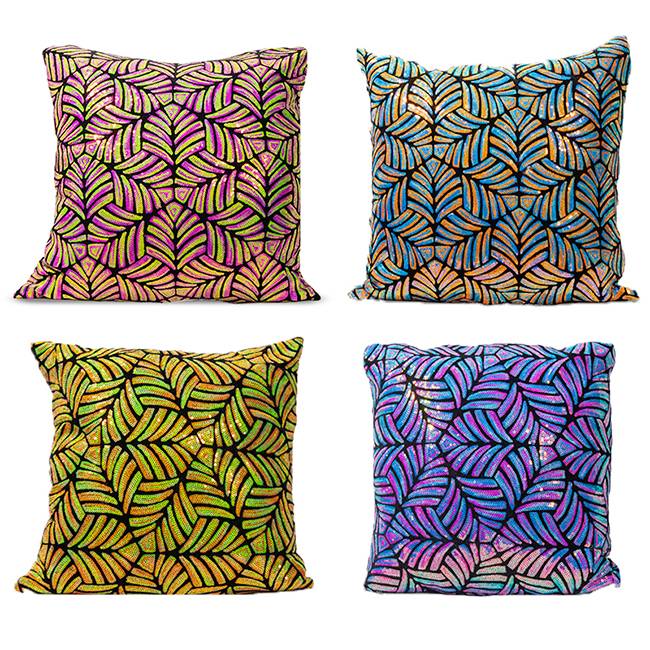
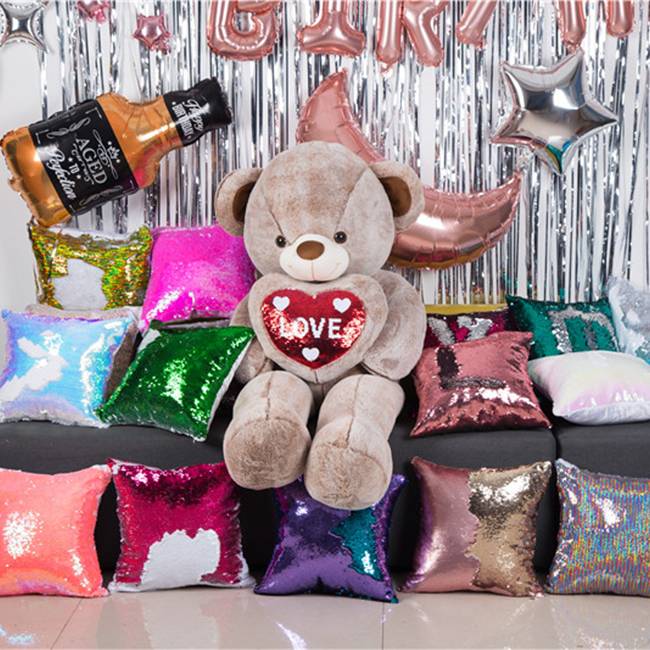
Combines holographic-coated sequins stitched onto a mesh or net base. Each sequin individually reflects the rainbow spectrum, creating a more intense and textured effect than flat holographic fabric. Used for stage costumes, performance wear, and high-impact event decoration.
Holographic Foil Fabric
A woven or knit base with holographic foil laminated to the surface. Less stretchy than spandex options, more structured. Used for bags, shoes, accessories, and decorative applications where a rigid holographic surface is needed.
Holographic Mesh / Net
Sheer mesh base with holographic threads or coating. Creates a lightweight, see-through effect with shimmer — used for overlay layers in fashion, dancewear, and event decoration.
Most Popular Applications
- Festival and rave wear – holographic bodysuits, shorts, tops, and accessories
- Dancewear and performance costumes – competition dance, ice skating, gymnastics
- Swimwear – holographic one-piece and bikini fabrics
- Stage and theater costumes – high visibility under stage lighting
- Event decoration – table runners, backdrops, balloon coverings
- Footwear and accessories – shoes, bags, belts, headwear
Key Quality Factors
Coating Durability
The holographic coating must withstand washing, stretching, and abrasion without cracking, peeling, or dulling. Test a swatch by stretching it to maximum extension and checking whether the coating cracks. Wash once and compare the shine before and after.
Color Spectrum Range
Higher-quality holographic fabrics display a full, vivid rainbow spectrum under light. Lower-quality coatings show a narrower range (often just silver or gold tones) and appear flat in lower light conditions.
Base Fabric Quality
The base fabric must have sufficient recovery (for stretch types) and consistent weight across the roll. Check for variations in coating coverage near the fabric edges, which indicate uneven application.
Wholesale Pricing
- Holographic spandex (4-way stretch): $3.00–$7.00/yard (FOB China)
- Holographic sequin fabric: $4.00–$9.00/yard
- Holographic foil fabric: $2.50–$6.00/yard
- Holographic mesh: $2.00–$5.00/yard
Source Holographic Fabric from Yunfan Textile
Yunfan Textile manufactures holographic sequin fabric and supplies wholesale buyers in fashion, dancewear, and event decoration industries. Contact us for samples and pricing.