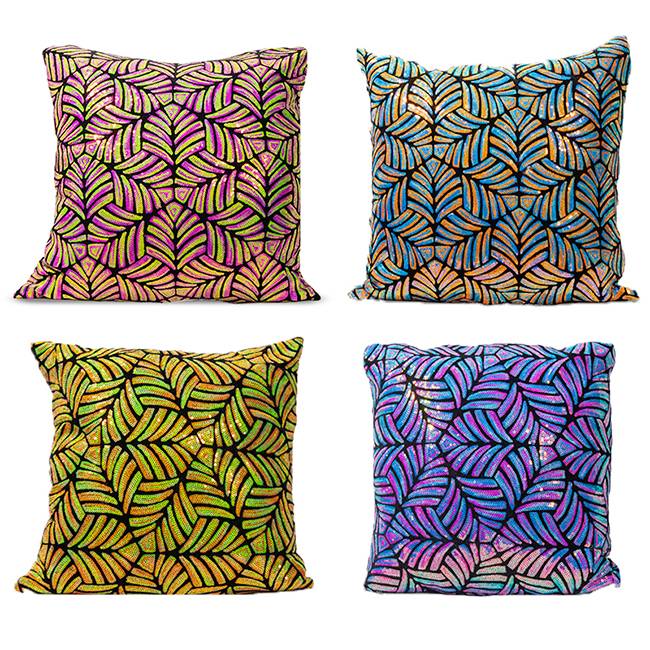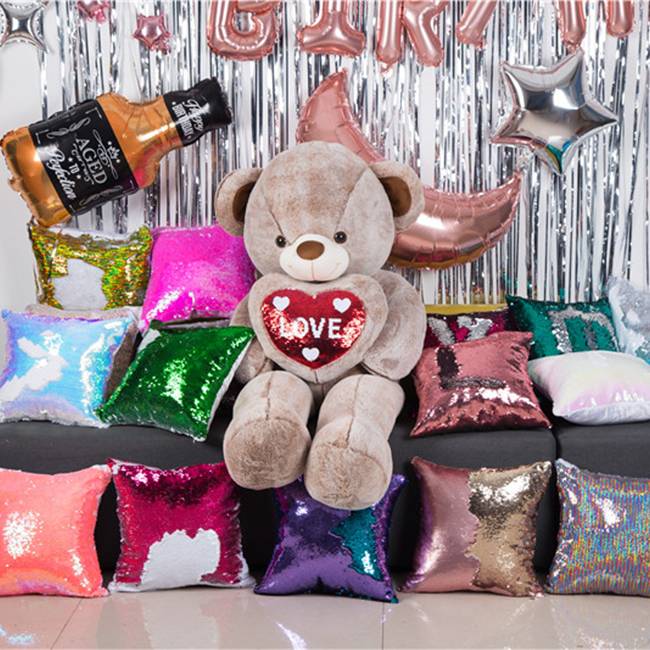
China is the world's largest producer of embroidery fabric, accounting for the majority of global wholesale supply across all product categories — from basic floral lace to complex 3D embroidery, beaded fabrics, and sequin-embroidered mesh. For international buyers, finding the right embroidery fabric manufacturer requires more than a search on Alibaba — it requires understanding what separates genuine manufacturers from trading companies, how to evaluate quality before committing to an order, and what documentation to request to protect your supply chain.
Manufacturers vs. Trading Companies – Key Differences
Many listings on B2B platforms represent trading companies (middlemen) rather than factories. Both can supply quality fabric, but the implications for pricing, customization, and communication differ significantly:
| Factory / Manufacturer | Trading Company | |
|---|---|---|
| Price | Lower (no middleman margin) | Higher (5–20% markup) |
| MOQ | Higher (production minimums) | Lower (can mix from stock) |
| Customization | Full (patterns, colors, constructions) | Limited (stock only, or outsourced) |
| Lead time | Longer for custom; fast for stock | Faster from stock |
| Communication | Direct with production team | Via sales rep (slower feedback) |
For established brands with consistent volume and custom requirements, working directly with a manufacturer is almost always preferable. For smaller buyers testing new product lines, a trading company may offer more flexibility.
How to Identify a Genuine Embroidery Fabric Manufacturer
Use these methods to verify whether a supplier is a factory or trading company:
- Request factory photos and video – ask for photos or a short video of the embroidery machines, production floor, and warehouse. A trading company will often delay this request or provide generic images.
- Check business license type – on Chinese B2B platforms, the business license type distinguishes manufacturers (生产型企业) from trading companies (贸易型企业). Ask to see the business license.
- Google Maps / satellite view – search the supplier's address on Google Maps or Baidu Maps. A factory should have a visible industrial facility; a trading company will often be in an office building.
- Sample turnaround – genuine manufacturers can produce custom samples from raw materials; trading companies source samples from their partner factories, which takes longer.
- MOQ structure – very low MOQs (5–10 yards) on custom fabric are a strong indicator of a trading company working from stock, not a factory producing to order.
Key Questions to Ask Before Ordering
- Do you manufacture this fabric in-house, or do you source it from partner factories?
- What is your production capacity per month for this fabric type?
- What certifications do you hold? (OEKO-TEX, GRS, ISO 9001)
- Can you provide third-party test reports for color fastness and tensile strength?
- What is your standard lead time for bulk orders vs. sample orders?
- How do you handle quality issues or shipment discrepancies?
Certifications to Request
- OEKO-TEX Standard 100 – confirms no harmful substances; required by many European and North American retailers
- ISO 9001 – quality management system certification
- GRS (Global Recycled Standard) – for recycled content claims
- SGS / BV test reports – third-party lab testing for specific performance parameters
Sampling Process
Before placing any bulk order, request a production sample (not a stock swatch). A production sample is cut from a trial production run using your specified parameters — color, pattern, backing fabric, and dimensions. This is the only reliable way to verify that the factory can produce exactly what you need at scale.
Expect to pay for production samples — factories that provide unlimited free samples without confirmed order intent are typically trading companies drawing from existing stock, not producing custom samples.
About Yunfan Textile
Yunfan Textile is a China-based embroidery fabric manufacturer specializing in sequin embroidery, 3D embroidery, floral lace, and beaded fabrics for fashion brands, bridal ateliers, and home textile companies worldwide. We manufacture in-house, hold OEKO-TEX certification, and provide production samples for confirmed inquiries.
Contact us to start a sourcing conversation — include your target fabric type, approximate quantity, and delivery timeline for the fastest response.