The fabric you choose for a wedding dress sets the tone for everything — the silhouette, the texture, the way it catches light, and how it feels against the skin. Embroidery fabric adds a layer of craftsmanship and romance that plain fabrics cannot replicate, but choosing the right type requires understanding the differences between construction methods, base fabrics, and design density.
This guide walks through the most important considerations for bridal designers, dressmakers, and wholesale buyers sourcing embroidery fabric for wedding dresses.
Types of Embroidery Fabric Used in Bridal Wear
1. Lace Embroidery on Tulle
The most traditional choice for wedding dresses. Floral or geometric patterns are embroidered directly onto a sheer tulle base, creating a delicate, layered effect. Works best for A-line, ball gown, and bohemian styles. Available in ivory, white, champagne, and blush.
2. 3D Embroidery Fabric
Raised embroidery using layered thread, appliqué flowers, or dimensional stitching creates texture that stands out from flat lace. Popular for fitted bodices, cap sleeves, and statement skirt overlays. Heavier than flat embroidery — factor this into the dress construction.
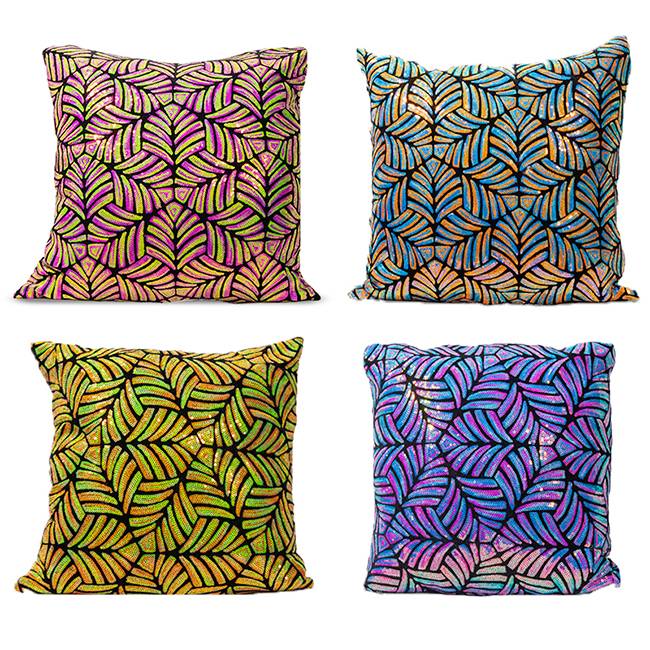
3. Sequin Embroidery Fabric
Combines embroidered motifs with sequin accents for a fabric that catches light dynamically. Often used for destination weddings, evening receptions, and non-traditional bridal looks. The sequins add weight and structure.
4. Beaded Embroidery Fabric
Glass beads, pearls, or crystal elements stitched into the embroidery pattern. The most luxurious option and the heaviest — typically used for structured bodices where the weight can be supported by boning or lining.
5. Laser-Cut Embroidery Fabric
Precision laser cutting creates intricate cut-out patterns in the base fabric, often combined with embroidery stitching along the edges. Creates a modern, geometric bridal aesthetic.
Key Factors When Choosing Embroidery Fabric for Wedding Dresses
Base Fabric Weight and Drape
The base fabric determines how the finished dress moves and falls. Common bases for bridal embroidery include:
- Tulle – sheer, lightweight, creates volume; best for overlays and full skirts
- Chiffon – fluid, soft drape; suits flowing boho styles
- Organza – crisp, holds structure; best for structured gowns and voluminous skirts
- Satin-backed crepe – heavier, elegant sheen; suits fitted and minimalist styles
Design Scale and Coverage
All-over embroidery (full coverage) creates a maximalist, traditional bridal look. Bordered or scattered embroidery allows the base fabric to show through for a lighter, more contemporary feel. Consider the dress silhouette — intricate all-over embroidery works best on simpler cuts where the fabric is the focal point.
Color and Finish
Most bridal embroidery fabric is produced in white, ivory, and champagne. Blush, dusty rose, and sage are increasingly popular for non-traditional brides. Confirm whether the thread color is tone-on-tone (same shade as base) or contrast-stitched, as this significantly changes the visual character of the fabric.
Stretch and Recovery
For fitted bodices, confirm whether the base fabric has stretch. Most woven embroidery fabrics have no stretch — if a fitted silhouette is required, a knit base or strategic seaming is needed.
Ordering Embroidery Fabric for Bridal Production
For dressmakers producing in volume, sourcing embroidery fabric wholesale from a manufacturer rather than a retailer reduces cost per yard significantly. Yunfan Textile produces embroidery fabric including 3D embroidery, sequin embroidery, beaded embroidery, and laser-cut options in bridal colorways. Custom pattern development is available for orders above minimum quantity.
When requesting samples, ask for:
- A full repeat of the embroidery pattern (not just a corner swatch)
- The fabric under both natural and artificial light
- The reverse side (to assess lining requirements)
- Care instructions and dry-clean compatibility
Lining and Construction Notes
Most embroidery fabrics used in bridal wear require a lining. The lining choice affects comfort, opacity, and the way the embroidery sits against the body. Common lining options include silk charmeuse (luxurious, fluid), polyester satin (more affordable, holds structure), and cotton batiste (breathable for warm-weather weddings).
Always sew a sample panel before cutting into your main fabric — test seam allowances, zipper installation, and how the embroidery pattern aligns at seams.
Request Samples from Yunfan Textile
Contact us to request fabric swatches for your bridal project. We supply embroidery fabric wholesale to bridal ateliers, dressmakers, and fashion brands worldwide, with custom colorways and pattern development available.