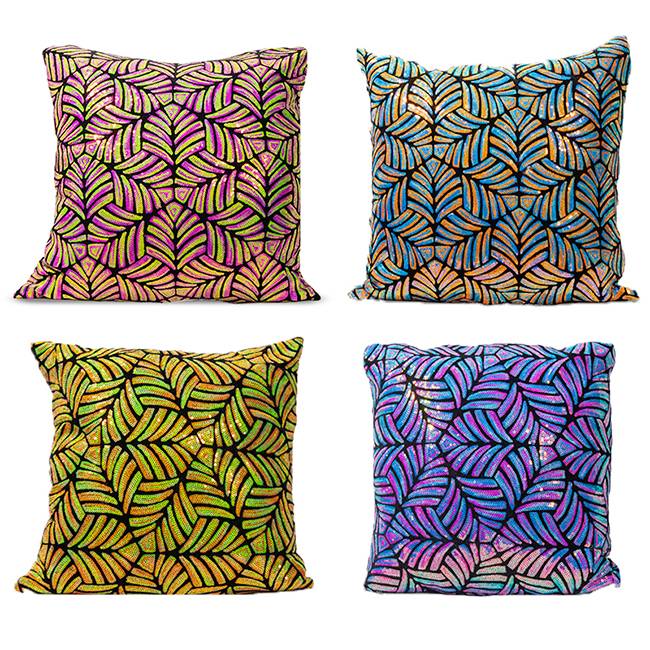
3D embroidery fabric has become one of the most sought-after materials in fashion and home textiles — its raised texture, dimensional patterns, and tactile quality set it apart from flat printed or woven alternatives. For wholesale buyers, understanding the construction, applications, and sourcing considerations for 3D embroidery fabric is essential before placing production orders.
What Is 3D Embroidery Fabric?
3D embroidery fabric is created by stitching thread, yarn, or appliqué elements onto a base fabric in a way that creates visible depth and texture above the surface plane. Unlike standard flat embroidery, 3D techniques use layered stitching, foam underlay, raised appliqué flowers, or loop/cut pile methods to produce a sculptural effect.
Common 3D embroidery techniques include:
- Raised floral appliqué – fabric flowers or petals stitched onto the base, standing away from the surface
- Foam underlay embroidery – a layer of foam is placed beneath the stitching to push it upward, common in logos and lettering
- Loop pile embroidery – thread loops are left uncut to create a textured, velvet-like surface
- Layered thread embroidery – multiple thread passes build up height gradually, creating gradient depth in the pattern
Common Applications
3D embroidery fabric is used across a wide range of product categories:
- Apparel – dress bodices, sleeves, collar details, jacket backs, and skirt overlays in womenswear and couture
- Bridal wear – veil edges, gown overlays, and bodice panels where dimensional texture replaces traditional beading
- Children's clothing – decorative details on dresses, cardigans, and accessories
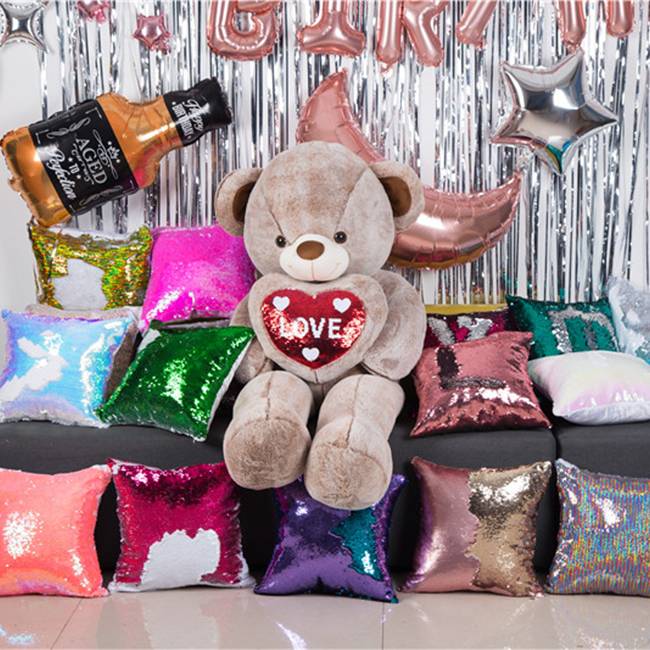
- Home textiles – cushion covers, table runners, decorative throws, and bed linen accents
- Accessories – handbag panels, shoe uppers, and headwear
Base Fabric Options
The base fabric significantly affects the end use and construction of 3D embroidery fabric:
- Tulle or mesh – sheer, lightweight; the embroidery pattern appears to float; best for overlays and formal wear
- Organza – crisp, holds structure; the dimensional embroidery stands out clearly against the stiff base
- Cotton or linen – casual, breathable; 3D embroidery adds decorative interest to everyday apparel and home textiles
- Velvet or knit – rich base that contrasts with raised thread work; popular for holiday and occasion wear
Key Quality Indicators for Wholesale Buyers
Thread Density and Stitch Count
Higher stitch counts produce more defined, durable 3D effects. Ask suppliers for stitch count specifications per square centimeter — this is a reliable indicator of production quality and determines how well the embroidery holds its shape after washing.
Dimensional Stability
3D embroidery should maintain its raised profile after washing and wear. Test this by hand washing a swatch and checking whether the raised elements flatten or distort. Lower-quality 3D embroidery collapses after a few washes.
Thread Type
Rayon thread produces a high sheen, close to silk. Polyester thread is more durable and colorfast. Cotton thread gives a matte, natural finish. For production-grade fabric, polyester thread is the most consistent choice for color retention and durability.
Pattern Repeat and Matching
For cut-and-sew production, confirm the pattern repeat dimensions so you can calculate fabric consumption accurately and plan how patterns align at seams.
MOQ and Pricing for 3D Embroidery Fabric Wholesale
3D embroidery fabric is more labor-intensive to produce than flat embroidery, which is reflected in wholesale pricing:
- Basic 3D raised embroidery on mesh: $3.00–$8.00/yard (FOB China)
- Floral appliqué 3D embroidery on tulle: $6.00–$15.00/yard
- Heavy beaded and dimensional embroidery: $10.00–$25.00/yard
MOQs typically range from 50 to 200 yards per design. Yunfan Textile offers flexible MOQs on 3D embroidery fabric and can develop custom patterns for brands with sufficient order volume.
Custom 3D Embroidery Fabric Development
For brands that want exclusive designs, custom 3D embroidery development typically requires:
- A design file or physical reference sample
- Specification of base fabric type, thread color (Pantone reference), and dimensional height preference
- A sample development lead time of 2–4 weeks
- Minimum order confirmation before bulk production begins
Contact Yunfan Textile to discuss custom 3D embroidery fabric development. We supply fashion brands, bridal ateliers, and home textile companies worldwide with production-grade embroidery fabric.