Sequin fabric is one of the most eye-catching materials you can work with — but it can also be one of the trickiest. Whether you are making a party dress, a stage costume, or home decor, knowing how to sew sequin fabric properly will save you hours of frustration and give you a professional finish.
In this guide, we cover everything a beginner needs to know: choosing the right tools, cutting without losing sequins, stitching cleanly, and finishing edges so they stay put.
1. Choose the Right Sequin Fabric for Your Project
Not all sequin fabrics are the same. The three most common types are:
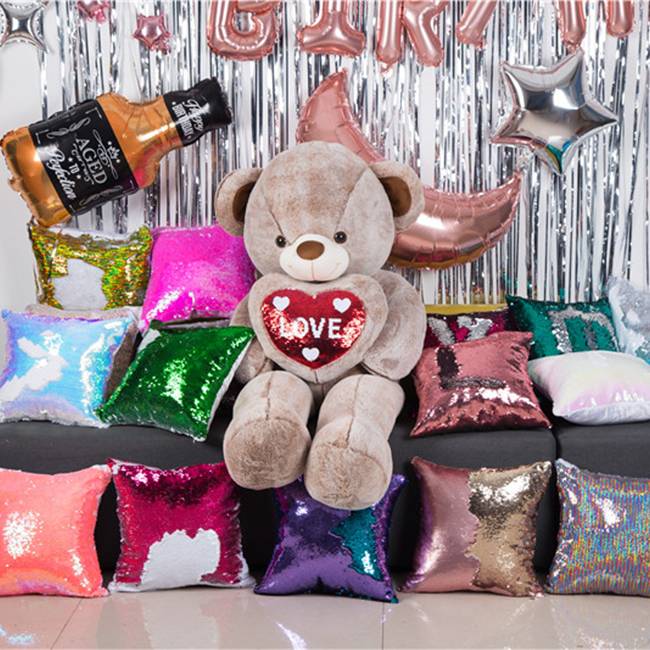
- Reversible (color-changing) sequin fabric – sequins flip between two colors when brushed. Popular for pillow covers, backdrops, and novelty apparel.
- Sequin mesh fabric – sequins stitched onto a sheer net base. Lightweight and flexible, ideal for overlays and dancewear.
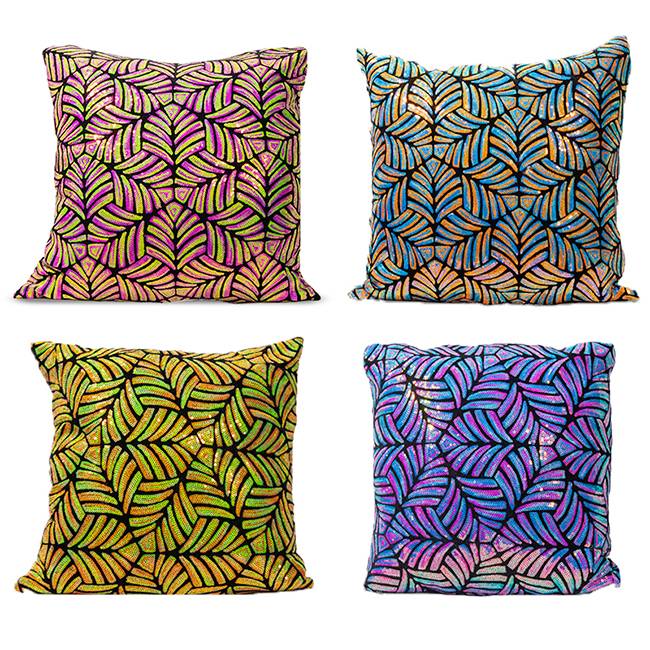
- Sequin embroidery fabric – sequins combined with embroidered patterns on a woven base. More structured, great for evening gowns and bridal wear.
For beginners, sequin mesh is the easiest to handle because the base fabric is flexible and forgiving. Reversible sequin fabric requires more care around seam allowances.
2. Tools You Will Need
- Sharp scissors or rotary cutter – dull blades snag the mesh and pull sequins off
- Ballpoint or stretch needle (size 80/12 or 90/14) – glides between sequins instead of cracking them
- Strong polyester thread – matches the base fabric color, not the sequin color
- Teflon presser foot or walking foot – prevents the foot from catching on sequins
- Seam ripper – you will need this; plan for it
- Masking tape – useful for holding cut edges temporarily
3. How to Cut Sequin Fabric Without Making a Mess
Cutting is where most beginners go wrong. Follow these steps:
- Lay the fabric flat on a large cutting surface, sequin side down.
- Use chalk or a fabric marker on the back (base) side to mark your pattern pieces — never mark the sequin side.
- Cut slowly with sharp scissors. For straight lines, a rotary cutter and quilting ruler give cleaner results.
- Remove sequins from the seam allowance (about 1.5–2 cm / 0.6–0.8 inch) before sewing. Use a seam ripper or small pliers to pop them off the backing thread. This prevents the sequins from cracking under the presser foot and makes seams lie flat.
Tip: Work over a sheet or tray — loose sequins scatter everywhere and are nearly impossible to vacuum up completely.
4. Sewing Sequin Fabric – Step by Step
- Set your machine to a longer stitch length (3.0–3.5 mm). Shorter stitches perforate the base fabric and weaken the seam.
- Reduce presser foot pressure if your machine allows it — sequin fabric is thicker than regular fabric.
- Sew slowly and guide the fabric with your hands, keeping it flat. Do not pull or push.
- Finger-press seams open instead of using a hot iron directly on sequins. If you must iron, use a pressing cloth and low heat — high heat melts plastic sequins instantly.
- Finish raw edges with a serger, zigzag stitch, or bias tape to prevent the base mesh from fraying.
5. Common Mistakes to Avoid
- Skipping the seam allowance clear-out – sequins caught in the seam crack, create bumps, and make the garment uncomfortable to wear
- Using a sharp universal needle – it punches through sequins and breaks them; always use a ballpoint needle
- Ironing directly on sequins – even a few seconds at medium heat can melt or warp sequins permanently
- Cutting with dull scissors – causes the mesh to snag and distort the cut line
6. Finishing and Care Tips
Once your project is sewn, a few finishing touches make a big difference:
- Hand-stitch any sequins that came loose during sewing using a beading needle and matching thread.
- Trim any loose threads close to the fabric — they catch on sequins and unravel over time.
- For cleaning, hand wash in cold water with a gentle detergent or dry clean. Never machine wash sequin fabric — agitation loosens sequins and warps the base mesh.
Where to Buy Quality Sequin Fabric in Bulk
If you are sourcing sequin fabric for production — costumes, event decor, or fashion collections — fabric quality and consistency matter. Yunfan Textile supplies wholesale sequin fabric including reversible color-changing sequin mesh, embroidered sequin lace, holographic sequin fabric, and stretch sequin mesh. Custom colors, sizes, and patterns are available with low minimum order quantities.
Contact us for samples or a wholesale price quote.
Final Thoughts
Sewing sequin fabric is not as difficult as it looks — once you clear the seam allowances, use the right needle, and take your time cutting, the process becomes straightforward. The results are worth it: sequin projects have a visual impact that no other fabric can match.
Bookmark this guide and share it with anyone starting their first sequin project. And if you have questions about fabric types or wholesale sourcing, feel free to reach out to us directly.