The fabric you choose for a wedding dress does more than cover the body — it tells a story. Embroidery fabric for wedding dresses has become one of the most sought-after choices in modern bridal fashion, offering unmatched texture, elegance, and visual depth that plain fabrics simply cannot achieve. This guide explores the different types of embroidery fabric used in wedding dress construction, how to choose the right one, and how to source it at wholesale prices for your bridal collection or atelier.
Why Embroidery Fabric for Wedding Dresses?
Plain silk, satin, or chiffon will always have a place in bridal fashion — but embroidered fabric adds a dimension that no printed or dyed material can replicate. The raised texture of embroidery catches light differently at every angle, creating movement and depth that photographs beautifully and looks breathtaking in person.
Modern embroidery fabric for wedding dresses is produced on high-speed computerized embroidery machines, allowing intricate floral, geometric, and lace-inspired patterns to be reproduced at scale with perfect consistency. This makes it possible for bridal designers to offer a luxurious handcrafted look at a price point that works for ready-to-wear collections.
Types of Embroidery Fabric Used in Wedding Dresses
1. Floral Embroidery on Tulle
This is arguably the most classic bridal embroidery style. Delicate floral motifs — roses, cherry blossoms, vines — are embroidered onto sheer tulle, creating a fabric that is simultaneously lightweight and richly detailed. Often used for overlays, skirts, and cathedral trains, floral-on-tulle embroidery creates the quintessential romantic bridal aesthetic.
Look for designs with varying density — denser embroidery at the hem and bodice, with sparser placement toward the midsection, creates a natural visual flow.
2. 3D Embroidery Fabric
Three-dimensional embroidery adds texture that literally stands out from the fabric surface. Petals, leaves, and geometric forms are raised using layered stitching techniques or the application of organza petals attached at the embroidery stage. This creates a sculptural effect that is highly photogenic and increasingly popular for statement bridal gowns and couture-style dresses.
3D embroidery fabric works particularly well for bodice applications, where the texture frames the silhouette beautifully. It pairs well with a simple flowing skirt in chiffon or silk organza.
3. Embroidered Lace Fabric
Machine-embroidered lace mimics the appearance of traditional hand-made lace at a fraction of the cost and production time. Embroidery is applied to a mesh or net base in repeating patterns — scalloped edges, geometric motifs, or all-over floral — and the result is virtually indistinguishable from fine French lace at normal viewing distance.
Embroidered lace is the workhorse of the bridal fabric market. It's used for sleeves, overlays, bodices, and full-length gown construction. It's available in ivory, white, champagne, blush, and occasionally jewel tones for non-traditional brides.
4. Beaded Embroidery Fabric
Combining embroidery with beading — seed beads, pearls, crystals — creates one of the most luxurious fabrics available in the bridal market. The embroidery provides the base structure and pattern, while the beading adds sparkle and tactile richness.
This fabric type is heavier than non-beaded alternatives and requires careful handling during cutting and construction, but the finished result is extraordinary. It's most commonly used for fitted bodices and full-length ballgown skirts where the volume is structured enough to support the weight.
5. Sequin Embroidery Fabric
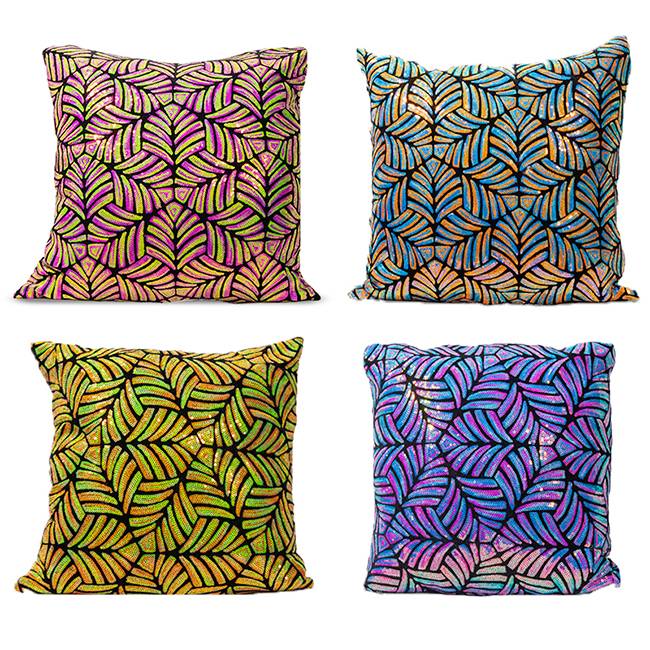
Sequins and embroidery are natural partners. Sequin embroidery fabric features embroidered patterns where the fill is created using sequins rather than thread — or embroidery that incorporates sequins as accents within a thread-based design. The result sparkles dramatically under both natural and artificial light, making it perfect for evening weddings and receptions.
How to Choose the Right Embroidery Fabric for Your Wedding Dress Design
Consider the Dress Silhouette
Not all embroidery fabrics work with all silhouettes. Heavy 3D embroidery or beaded fabric is ideal for fitted ballgowns and A-line styles where the structure can support the weight. For flowing, bohemian styles, lightweight floral-on-tulle or lace embroidery works far better. Sheath gowns benefit from fine, all-over embroidery that emphasizes the body's lines without adding bulk.
Match the Base Fabric to the Application
Embroidery on mesh or tulle creates a sheer, layered effect — ideal for overlays. Embroidery on satin or organza creates a more opaque, structured look. Choose your base according to whether you want the fabric to be a standalone layer or require an underlining.
Check the Repeat Pattern
For large cutting pieces (skirts, trains), look for fabrics with a small or seamless repeat that won't require precise pattern matching. For accent panels (bodice front, sleeve), a larger statement motif works beautifully as a focal point.
Sourcing Embroidery Fabric Wholesale for Bridal Collections
For bridal designers producing collections, embroidery fabric wholesale purchasing is essential. Retail prices for quality embroidery fabric can reach \$30–\$60 per yard; wholesale direct from a manufacturer typically brings this to \$5–\$15 per yard depending on the complexity of the design.
At Yunfan Textile, we produce a wide range of embroidery fabrics specifically suited to the bridal and formalwear market, including:
- Floral embroidery on tulle and mesh
- 3D flower embroidery fabric
- All-over lace-style embroidery
- Sequin-and-embroidery combination fabrics
- Custom embroidery designs for private label collections
We offer samples before bulk ordering, flexible MOQs for new buyers, and consistent quality across production runs — critical for bridal collections where fabric consistency directly affects the finished product's perceived value.
Care and Construction Tips for Embroidery Fabric Wedding Dresses
- Pre-wash before cutting? For embroidery fabric, generally no — most bridal embroidery fabric should not be machine-washed and is intended for dry-clean-only finished garments.
- Use sharp scissors and cut around embroidery motifs where possible — cutting through a raised design can cause threads to pull and unravel.
- Line the bodice — embroidery fabric is rarely worn directly against the skin; always add a silk or polyester lining for comfort and structure.
- Press carefully — use a pressing cloth and low heat; direct steam on beaded or 3D embroidery can permanently damage raised elements.
- Finish seams with French seams or bias tape — especially for sheer or mesh-base embroidery fabrics where serging alone may show through.
Ready to Source Embroidery Fabric for Your Bridal Collection?
Browse our embroidery fabric collection or contact our team to discuss custom designs, samples, and wholesale pricing. We work with bridal designers, fashion manufacturers, and fabric retailers worldwide.